Choosing the right water pump for water is crucial for efficiency and reliability. John Smith, a leading expert in water pump technology, states, “Selecting the proper pump is vital for optimal water distribution.” This assertion resonates with many in the industry.
Water pumps are not just mechanical devices; they play a significant role in various sectors. From agriculture to municipal water supply, the right choice can impact performance. A poorly chosen water pump can lead to water wastage. It can also cause increased energy costs and frequent repairs.
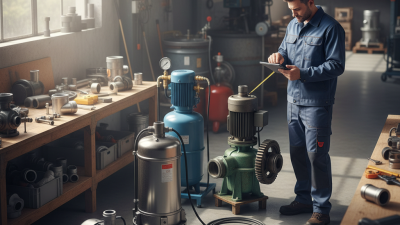
Common mistakes arise when individuals overlook specifications. Many assume all water pumps are the same. In reality, each type has unique features. Understanding their capabilities can empower users to make informed choices. This expert insight urges a deeper reflection on the importance of proper selection in the water pump for water sector.
Choosing the right water pump is crucial for efficiency and reliability. Several factors determine the best option for your needs. First, consider the pump's capacity. How much water do you need to move? Knowing the flow rate required will guide your choice. For smaller gardens or home use, a lower capacity pump may suffice.
Next, think about the power source. Electric pumps are common, but gas-powered models can be more portable. Analyze your location's access to power. Power supply could limit your options. Additionally, pay attention to the pump's material. Stainless steel offers durability, but plastic models are lighter. Each material has its pros and cons.
Lastly, don't overlook the pump's noise level. Some pumps operate quietly, while others can be quite loud. Assessing your environment is important. Consider how a loud pump might impact neighbors or your own peace. Remember, what works for someone else may not work for you. Take time to reflect on these factors before making a final decision.

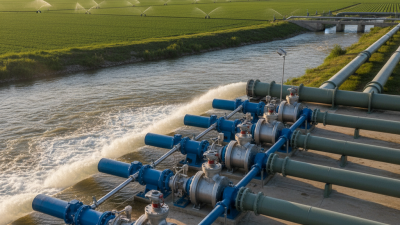
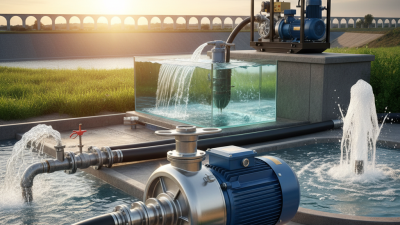
When selecting a water pump, understanding the types and their applications is crucial. Centrifugal pumps are popular for their efficiency. They are often used in irrigation and water supply systems. These pumps are designed to move water quickly and effectively. However, they may not perform well in high-viscosity applications.
Positive displacement pumps are another option. They are ideal for applications requiring high pressure and accurate flow control. You can find them in industries like food processing and pharmaceuticals. They handle thick fluids better than centrifugal models. Sometimes, the choice between these pumps can lead to operational challenges. It’s essential to analyze specific needs before committing.
Submersible pumps excel in applications requiring water extraction from deep sources. They can be found in residential basements and in municipal wastewater management. These pumps operate underwater and can be more difficult to maintain. It's important to consider accessibility for repairs. Each type of pump has its unique advantages and drawbacks. Understanding these nuances will guide you towards the right choice.
| Pump Type | Applications | Advantages | Disadvantages |
|---|---|---|---|
| Centrifugal Pump | Industrial processes, irrigation, water supply | High flow rate, simple design, low maintenance | Not suitable for high-viscosity fluids, performance drops with viscosity |
| Submersible Pump | Dewatering, sewer applications, groundwater extraction | Can operate underwater, reduces flooding | Complex installation, requires maintenance |
| Diaphragm Pump | Chemical processing, food and beverage, pharmaceuticals | Handles viscous liquids, good for hazardous materials | Lower flow rates compared to centrifugal pumps |
| Gear Pump | Oil and fuel transfer, hydraulic fluid applications | High pressure build-up, excellent for viscous fluids | More complex design, higher wear and tear |
| Pneumatic Pump | Wastewater treatment, chemical transfer | Self-priming, safe for explosive environments | Requires compressed air, can be less efficient |
Choosing the right water pump is crucial for efficiency. Water pumps are rated based on their efficiency metrics. The Hydraulic Institute notes that pump efficiency can significantly impact energy consumption. A pump operating at 80% efficiency compared to one at 60% can save substantial energy over time.
Performance metrics are also vital. Flow rate and head pressure are key indicators. According to the U.S. Department of Energy, using the correct flow rate can reduce operating costs by up to 20%. A pump with a higher head pressure isn’t always better. Understanding your specific needs is essential to avoid oversizing the pump, which may lead to wasted resources.
Regular assessments of pump performance are necessary. Metrics can fluctuate based on wear and tear. An annual check can catch inefficiencies early. Many users overlook this step, leading to prolonged energy waste. With proper knowledge of efficiency ratings, you can choose a water pump that meets your needs effectively.
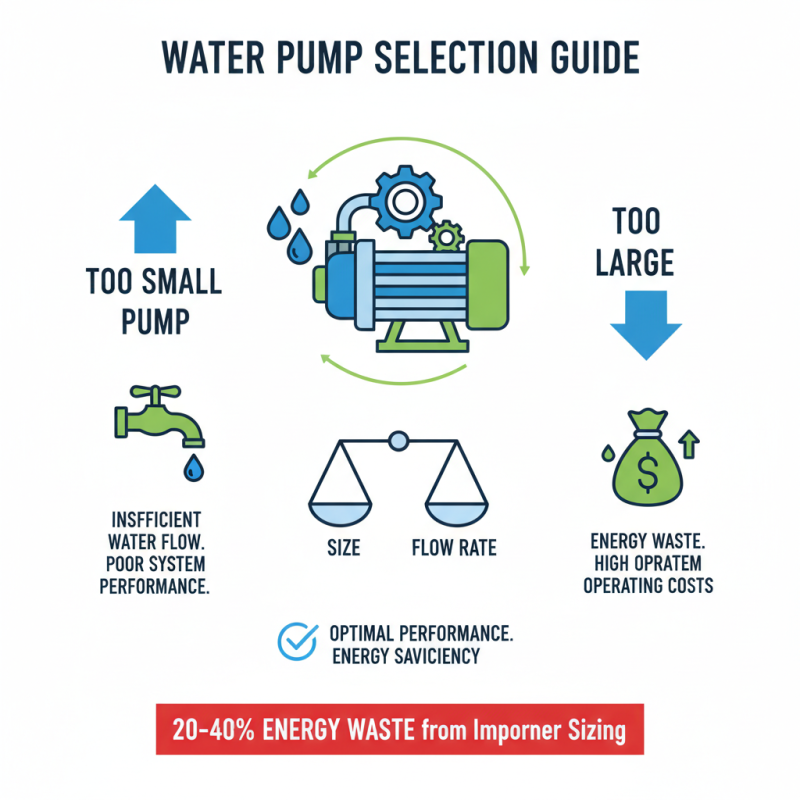
Choosing the right water pump is crucial. The size and flow rate significantly impact system performance. A pump that is too small may not deliver enough water. Conversely, an oversized pump can lead to inefficiencies and increased energy costs. According to industry research, an improperly sized pump can waste 20-40% more energy than necessary.
Flow rate is equally important. An optimal flow rate ensures that water is delivered consistently. If the flow rate is too high, it could cause pressure surges. This might damage pipes or create leaks over time. A detailed study from the Hydraulic Institute shows that achieving the right flow rate can improve energy efficiency by up to 25%.
In practical terms, understanding your system's needs is vital. You must assess factors like pipe size, distance, and elevation changes. Data indicates that many users fail to consider these aspects, leading to system inefficiencies. Taking the time to evaluate these details can make a significant difference in overall performance. It’s essential to revisit and reflect on your choices regularly. This reflection can uncover potential improvements in operation and sustainability.
Choosing the right water pump is crucial for efficiency.
However, many common mistakes can lead to poor performance.
One of the most frequent errors is not sizing the pump correctly.
If the pump is too small, it won’t deliver enough water.
If too large, energy costs will soar. Measure your needs carefully.
Another mistake is ignoring the water source.
A pump that works well in one location may fail in another.
Understand the pressure and flow from your water source before making a choice.
It’s also vital to consider the pump materials.
Some pumps corrode quickly in certain conditions.
Tips: Always double-check specifications.
Keep an eye on maintenance requirements, too.
Skipping regular check-ups can lead to unexpected failures.
Don’t hesitate to ask for advice. Experience can help you avoid pitfalls.
Making an informed decision is key,
but it’s easy to overlook critical details.
Ground yourself in facts before purchasing.
We are here to help you with all your queries and concerns, just write to us using the below form and we will get back to you as soon as we can.