Why Choose the Right Water Service Pump for Your Needs?

Choosing the right water service pump is crucial for various applications. As industry expert Dr. Jane Smith noted, “Selecting the proper pump enhances efficiency and reduces operational costs.” Reports indicate that approximately 30% of water service systems face inefficiencies due to improper pump selection.

Water service pumps play a vital role in agricultural, municipal, and industrial settings. Improper choices can lead to significant energy waste and increased maintenance. Data from the American Pump Manufacturers Association shows that saving just 10% in pump efficiency can lead to annual savings of thousands of dollars.

In addition to economic implications, the reliability of a water service pump directly impacts service delivery. Regular performance assessments are necessary to avoid unexpected failures. Choosing the right equipment requires thoughtful consideration of specific needs. It can be daunting, and mistakes can happen. However, understanding key factors can guide better decisions. A well-selected water service pump ensures consistent supply and operational success while minimizing environmental impact.
Why Choose the Right Water Service Pump for Your Needs?

Understanding the Role of Water Service Pumps in Various Applications

Water service pumps play a crucial role in various applications, from residential needs to industrial operations. These pumps ensure a steady flow of water, which is vital for irrigation, fire fighting, and even domestic use. Understanding the specific requirements for your application can help in choosing the right pump for your needs.

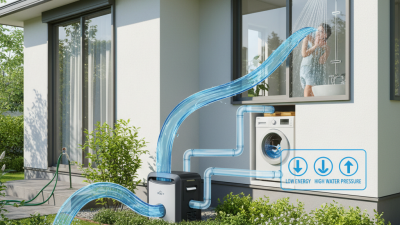
In domestic settings, pumps are essential for maintaining water pressure and distribution. They ensure that every tap delivers water consistently. It's important to assess the size of your household and the average water usage to determine the correct pump capacity.

Tip: Consider the energy efficiency of the pump. A more efficient pump can save significantly on electricity bills over time.

For industrial applications, pump reliability is often non-negotiable. A malfunction can lead to downtime and financial losses. Therefore, regular maintenance and proper pump selection based on the nature of the fluid are key. Pumps used in industries often handle corrosive or viscous materials, which requires specific features.

Tip: Always evaluate the materials used in the pump construction. The right materials can enhance longevity and performance.

Ultimately, while you may find various options, assessing your unique needs will lead to better decisions. Ignoring specific requirements could hinder performance or lead to an increased need for repairs. Take the time to understand your application and consult professionals if necessary.
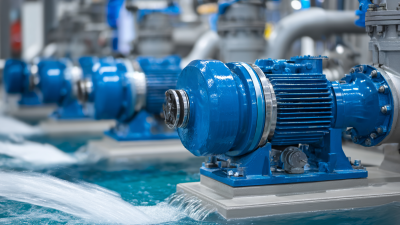
Factors to Consider When Selecting a Water Service Pump

When selecting a water service pump, knowing your specific needs is crucial. Start by assessing the flow rate required for your application. Understanding how much water you need per minute can significantly influence the pump you choose. Higher flow rates generally require more robust pumps.

Another important factor is the head height. This refers to the vertical distance the pump needs to push water. If the head height is underestimated, the pump might struggle. Pump performance can vary widely based on this specification. Consider the distance between the pump and the water source as well. This affects efficiency as well.

Additionally, think about the environment in which the pump will operate. Harsh conditions might demand more durable materials. Reflect on how often the pump will run. Continuous operation can lead to wear and tear. Choosing a device that balances efficiency with durability becomes imperative. Remember, the right pump may not be the most expensive one, but the one that suits your unique needs best.

Why Choose the Right Water Service Pump for Your Needs? - Factors to Consider When Selecting a Water Service Pump

Factor Description Example Values
Flow Rate The volume of water the pump can deliver, usually measured in gallons per minute (GPM) or liters per minute (LPM). 5 GPM - 100 GPM
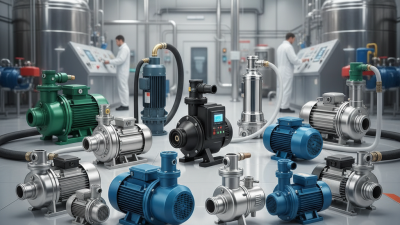
Pump Type Various types of pumps such as submersible, centrifugal, and diaphragm pumps, each suited for different applications. Submersible, Centrifugal
Pressure The force with which the pump can deliver water, typically measured in PSI (pounds per square inch). 20 PSI - 100 PSI
Power Source The energy source that powers the pump, including electric, gas, solar, or manual. Electric, Gasoline
Material The materials used in the pump's construction which affect durability and corrosion resistance. Stainless Steel, Plastic
Application Specific use cases such as irrigation, water supply, or drainage which dictate pump selection. Irrigation, Residential Water Supply
Size and Portability The physical dimensions and weight of the pump, impacting where it can be installed and moved. Compact, Portable Models

Types of Water Service Pumps and Their Specific Uses

Choosing the right water service pump greatly impacts efficiency and performance. Various types of pumps serve different purposes. For example, submersible pumps work underwater, ideal for wells or ponds. They efficiently move water without risking damage to the motor.

Another option is centrifugal pumps. These pumps are suitable for water transfer and irrigation tasks. Their simple design makes them easy to maintain. However, they may not perform well with dirty water. It’s essential to assess water quality needs before selecting a pump.

Tips: Always consider the flow rate and pressure requirements. It helps choose a pump that meets your needs. Regular maintenance prolongs pump life and ensures reliability. Users often overlook maintenance and later face issues. Investing time in care pays off.

Maintenance Tips for Ensuring Longevity of Water Service Pumps

Water service pumps are essential for many applications, ranging from irrigation to residential water supply. Proper maintenance is crucial for maximizing the lifespan of these pumps. According to industry reports, nearly 30% of pump failures are due to improper maintenance. Regular checks and services can prevent many of these issues.

Start with routine inspections. Look for unusual noises, vibrations, or overheating. These could signal impending issues. Monitoring the pump's operating temperature is important. A rise of just a few degrees could indicate a problem. Simple steps, like cleaning filters and ensuring proper lubrication, can significantly increase a pump's reliability.

Fluid levels must be carefully maintained. Both overfilling and underfilling can lead to performance issues. Replacing worn-out seals is another key task; they should be checked every six months according to industry best practices. Keeping an accurate maintenance log can help track patterns and highlight potential problems. Reflecting on these measures can lead to substantial benefits in performance and lifespan.

Cost-Effectiveness of Choosing the Right Water Service Pump

Selecting the right water service pump can significantly impact your budget. A well-chosen pump enhances efficiency, reducing energy consumption. This savings can accumulate over time. Investing initially in a suitable pump often leads to lower maintenance costs. It’s essential to consider not just price but also performance matching your specific requirements.

Consider the long-term trade-offs. A cheaper pump might seem like a good deal. However, it can lead to frequent repairs or even replacement. These hidden costs often eclipse the initial savings. Carefully analyzing your requirements helps avoid unnecessary expenses. Understand the flow rate, pressure needs, and energy efficiency before making a decision.

The right pump should align with your needs. Reflect on your water usage patterns. Is the demand consistent, or does it fluctuate? Evaluating these factors will guide you toward a suitable choice. Always remember that quality often trumps short-term savings in the world of water service pumps. Make informed decisions to ensure sustainability and avoid future regrets.

Our dedicated sales and support staff are here to help you identify the ideal pump solution for your needs.

Contact Us