
What is a Clamp Solar Panel and How Does it Work?

The rise of renewable energy technologies emphasizes the innovations in solar power solutions. One notable advancement is the Clamp Solar Panel. This technology streamlines installation and enhances energy efficiency. According to a recent report by the International Renewable Energy Agency, global solar energy capacity is projected to reach 4,800 GW by 2030. The need for efficient solar solutions is clearly vital.

Experts like Dr. Emily Hart, a leading figure in solar technology research, state, “Clamp Solar Panels are revolutionizing how we harness solar energy.” Her insights underline the importance of adaptive designs in this field. These panels provide a flexible installation method, making them appealing for residential and commercial use. However, they also pose challenges related to durability and maintenance that require careful consideration.

The growth of the clamp-based design suggests a promising future. But, like any technology, it’s essential to evaluate its long-term viability. As the industry evolves, addressing the shortcomings will be crucial for maximizing its potential impact.
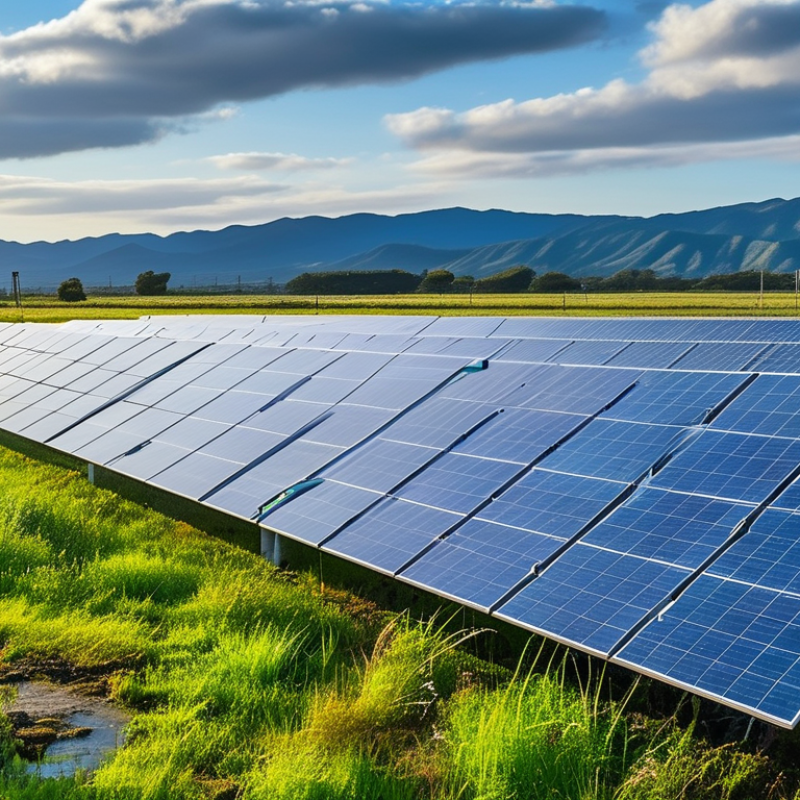
What is a Clamp Solar Panel and How Does it Work?

What is a Clamp Solar Panel? Definition and Overview

Clamp solar panels are an innovative option for harnessing solar energy. They are designed for flexibility and ease of installation. Unlike traditional solar panels that often require complex mounting systems, clamp solar panels use a simple clamping mechanism. This feature allows them to be secured quickly to various surfaces, such as rooftops or even vehicles. The design minimizes the need for drilling or extensive structural changes, making installation more accessible.

These solar panels work by converting sunlight into electricity through photovoltaic cells. The clamping system ensures that the panels stay in place, maximizing exposure to sunlight. They can generate energy in a more compact format, which is ideal for urban settings or mobile applications. However, it’s essential to consider their efficiency compared to conventional panels. Sometimes, their compact nature may lead to lower overall power output in larger installations. Users should evaluate their energy needs and installation requirements carefully.

Key Components of Clamp Solar Panels: Structure and Functionality

Clamp solar panels are innovative solutions for harnessing solar energy efficiently. The key components include the mounting system, solar cells, and inverters. The mounting system, designed with clamps, securely attaches panels to various surfaces. This design allows for easy installation and adjustment, making it ideal for diverse applications.

Solar cells convert sunlight into electricity. They are typically made from silicon, a material known for its excellent photovoltaic properties. The inverter then transforms the direct current (DC) produced by the solar cells into alternating current (AC) for household use. This conversion is crucial for integrating solar power into existing electrical systems.

Tips: Regularly check the installation setup to ensure clamps are secure. This prevents potential damage during harsh weather. Cleaning the panels can increase efficiency. Dust and debris can block sunlight, reducing energy production. Always consider professional installation for large systems, as this can optimize performance and safety.

Clamp Solar Panel Efficiency Comparison

This chart illustrates the efficiency of different clamp sizes used in solar panels. The data shows the percentage efficiency of each clamp type, indicating their performance in converting solar energy into usable power.

How Clamp Solar Panels Convert Sunlight into Electricity

Clamp solar panels represent an innovative shift in solar technology. They are designed to be easily mounted on rooftops without extensive modifications. Their unique clamp design allows for quick installation, making them suitable for residential and commercial use. More than 50% of homeowners are now considering solar energy solutions. This trend could significantly reduce energy bills and carbon footprints.

The conversion of sunlight into electricity with clamp solar panels is efficient. Solar cells within the panels change sunlight into direct current (DC) electricity. An inverter then converts this DC electricity into alternating current (AC) for home use. According to the National Renewable Energy Laboratory, solar panel efficiencies can reach up to 22%. This means more energy produced per square foot, making clamp solar panels highly effective.

However, challenges exist. The installation process may lead to errors. Misalignment can decrease efficiency. Additionally, environmental factors like shading from trees or buildings affect performance. Understanding these limitations is crucial for users. Proper placement can maximize sunlight exposure and enhance electricity generation. Balancing these factors is key to harnessing solar energy effectively.

Industry Standards and Efficiency Ratings for Clamp Solar Panels

Clamp solar panels are becoming increasingly popular in the renewable energy sector. These panels differ from traditional ones by using clamps for mounting, simplifying installation. However, their efficiency depends on multiple factors, including materials used and design features. Understanding industry standards can help consumers make informed choices.

Efficiency ratings are crucial when evaluating clamp solar panels. The most recognized rating systems include monocrystalline, polycrystalline, and thin-film technologies. Each type has distinct advantages, affecting performance and energy output. For instance, monocrystalline panels are often more efficient but may cost more upfront. This variation in pricing and performance can lead to confusion.

Many consumers might overlook the nuances of these ratings. Some may assume all panels perform equally, leading to mismatched expectations. It's essential for buyers to research and compare options carefully. Collaborating with knowledgeable professionals can aid in navigating these complexities. Making informed decisions benefits both the individual and the broader environment.

Advantages of Using Clamp Solar Panels in Renewable Energy Systems

Clamp solar panels are a practical choice for renewable energy systems. Their design focuses on ease of installation and versatility. These panels can be mounted on various surfaces, from rooftops to ground setups. The clamp mechanism allows for quick adjustments, which can save time during installation.

One significant advantage of clamp solar panels is their durability. They are built to withstand harsh weather conditions. This resilience ensures long-term performance and reliability. Many installers appreciate their straightforward setup. However, not all systems are compatible with clamps, leading to potential challenges. It’s essential to assess compatibility with existing infrastructures.

Another benefit is flexibility in energy production. Clamp solar panels can adapt to different orientations and angles. This adaptability can lead to increased energy efficiency. Still, users should be aware of the potential need for maintenance. Over time, wear and tear can impact performance. Regular checks are crucial to ensure they operate at their best.

What is a Clamp Solar Panel and How Does it Work? - Advantages of Using Clamp Solar Panels in Renewable Energy Systems

Feature Description
Compact Design Clamp solar panels have a compact and lightweight design that facilitates easy installation and transport.
Ease of Installation These panels can be installed quickly using clamps, eliminating the need for complex mounting systems.
Durability Built to withstand harsh weather conditions, ensuring longevity and reliability in various environments.
Efficiency Clamp solar panels are designed for maximum efficiency, converting sunlight into energy effectively.
Versatility Suitable for various renewable energy systems, including residential, commercial, and off-grid applications.
Cost-Effectiveness Lower installation costs due to reduced labor and material requirements compared to traditional systems.

Our dedicated sales and support staff are here to help you identify the ideal pump solution for your needs.

Contact Us