
What is Door Window Profile and Why Does It Matter?

The "Door Window Profile" is a key element in the construction and design industry. It holds significant importance for both aesthetics and functionality. Reports indicate that the global door and window profile market was valued at approximately $47 billion in 2022. This sector is projected to grow at a compound annual growth rate (CAGR) of 5.4% through 2030. Such statistics underscore the relevance of this component in modern architecture.

A well-designed Door Window Profile can enhance energy efficiency, security, and durability. For instance, profiles made from high-quality materials can reduce energy loss by up to 30%. However, not all designs meet these standards, leading to potential inefficiencies. In an industry where aesthetics and performance coexist, the right profile is essential yet often overlooked.

Focusing on the Door Window Profile involves understanding nuances in design and material selection. With advancements in technology, the variety of available options has increased. Yet, this abundance can lead to confusion for designers and homeowners. Assessing which profiles will best suit specific needs remains a complex challenge, highlighting the importance of expert guidance in this field.
What is Door Window Profile and Why Does It Matter?

What is a Door Window Profile?

A door window profile refers to the design and construction specifications of windows integrated into doors. These profiles are essential as they impact not just aesthetics but also energy efficiency. A well-designed door window profile will help maintain indoor temperatures. Often, poor insulation can lead to higher energy bills, and that’s a concern for many homeowners.

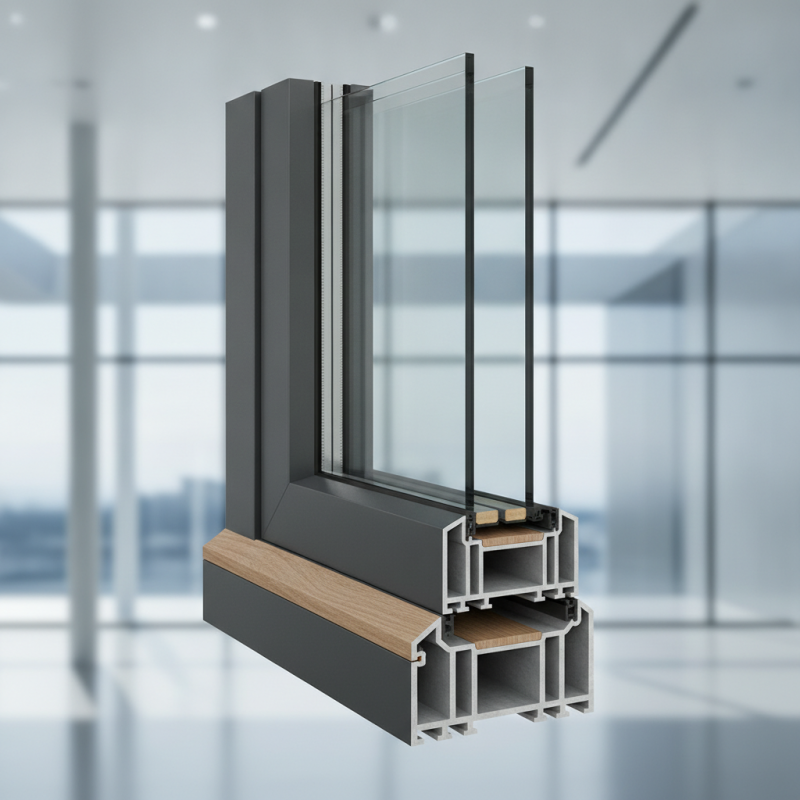
Understanding a door window profile involves examining materials, glazing, and frame design. Different materials can provide distinct benefits. For instance, vinyl tends to resist moisture better than wood. However, some homeowners may prefer the classic charm of wooden frames, despite maintenance needs. The choice of glazing is also critical. Double or triple-glazed units can greatly enhance thermal performance.

It's crucial to note that not all door window profiles are created equal. Some may promise durability and efficiency but fail to deliver. This inconsistency can lead to unexpected issues, such as drafts or condensation. Choosing the right profile not only improves comfort but also adds value to a property. When making decisions, weighing pros and cons ensures a thoughtful approach.

Components of a Door Window Profile

A door window profile consists of several key components that define its structure and functionality. These include the frame, glazing, and weatherstripping. The frame holds the entire structure together. It provides support and stability, which is crucial for durability. Glazing refers to the glass panes that offer visibility and natural light. Effective glazing can significantly improve energy efficiency and insulation. Weatherstripping is essential for sealing gaps, reducing air and water leaks.

When considering a door window profile, quality matters. Using high-quality materials can enhance performance. Pay attention to the frame material. Wood, vinyl, and aluminum all have their strengths and weaknesses. Ensure they suit your climate. Durable materials can resist the elements better.

Tip: Regular maintenance can prolong the life of your door window profile. Check for wear and tear. Clean the frames regularly to prevent moisture damage. Additionally, inspect the weatherstripping for any gaps. A small issue can lead to bigger problems if ignored. Choosing the right components is crucial for a functional and reliable door window profile.

Components of a Door Window Profile

Importance of Material Selection in Door Window Profiles

When considering door window profiles, material selection is crucial. Profiles are often made from materials like aluminum, vinyl, or fiberglass. Each material has its own benefits and limitations. For example, aluminum offers strength and durability but lacks insulation. In contrast, vinyl is energy efficient but may not withstand extreme conditions well. Understanding these properties helps in making informed decisions.

According to a recent market analysis, nearly 65% of homeowners prioritize energy efficiency in their purchasing decisions. This statistic emphasizes the importance of selecting materials that enhance overall efficiency. A poorly chosen material can lead to increased energy costs and discomfort. Data suggests that homes with high-performance profiles can reduce energy consumption by up to 30%.

Attention to detail in material selection can also impact aesthetics. A visually appealing design can enhance property value significantly. However, not all high-end materials are suitable for every environment. For instance, while fiberglass can be visually appealing, it may require more maintenance in coastal areas. Thus, careful consideration is essential to balance beauty and functionality.

Applications of Door Window Profiles in Architecture

Door window profiles play a crucial role in architectural design. These profiles define not only the appearance but also the functionality of doors and windows. A report by the Architectural Institute indicated that the right profiles can enhance energy efficiency by up to 30%. This statistic underlines the importance of selecting the right materials and designs when planning buildings.

Applications of door window profiles extend beyond aesthetics. They improve insulation, soundproofing, and security. Modern profiles often incorporate thermal break technology, which significantly reduces heat transfer. As structures aim for sustainability, profiles made from recyclable materials are becoming the norm. According to recent industry analyses, about 40% of architects now prioritize eco-friendly profiles in their designs.

Tip: When choosing profiles, consider the climate. Warmer areas benefit from different materials than colder climates. Always look for profiles with good ratings. This will help maintain energy efficiency while ensuring durability.

Though advancements in window and door profiles continue, challenges remain. Compatibility with existing structures can be a concern. Additionally, budget constraints might limit options for some projects. Investing in quality profiles yields long-term benefits, even if the initial cost is higher.

Impact of Door Window Profiles on Energy Efficiency and Security

Door window profiles play a crucial role in energy efficiency and security. A well-designed profile can significantly reduce heat loss. This translates into lower energy bills for homeowners. Proper insulation within the profile ensures that warm air stays in during winter. Conversely, during summer, these profiles help keep indoor spaces cool. Small design flaws might compromise this efficiency.

Security is another key factor. Strong profiles can deter potential intruders. High-quality materials and robust fittings make a significant difference. This brings peace of mind to residents. However, if the installation is flawed, even the best profiles won’t perform well. Homeowners should assess both the design and installation process carefully.

It’s important to consider local climate conditions as well. Some profiles may excel in certain environments but underperform in others. Regular maintenance also plays an essential role in long-term performance. Simple checks can prevent issues before they arise. Ignoring these aspects can lead to higher costs and diminished safety.

Our dedicated sales and support staff are here to help you identify the ideal pump solution for your needs.

Contact Us