
Top 10 Efficient Industrial Fans That Save Energy?

In today's industrial landscape, energy efficiency is paramount. Efficient Industrial Fans play a crucial role in reducing operational costs and minimizing environmental impact. Industry reports indicate that efficient fans can reduce energy consumption by up to 50% compared to conventional models. Such savings not only improve the bottom line but also align with sustainability goals.

Dr. Alice Thompson, a leading expert in industrial energy solutions, emphasizes this point: "The right choice of an Efficient Industrial Fan can revolutionize energy use in factories." Her insights reflect the growing recognition of efficiency in industrial operations. The demand for advanced fan systems continues to rise, as companies seek innovative ways to enhance productivity while restraining energy costs.

However, the selection of an Efficient Industrial Fan is not always straightforward. Factors such as airflow needs, operational conditions, and initial investment must be carefully considered. Many businesses make choices based on immediate cost, overlooking the long-term benefits of efficiency. These decisions can lead to regret as higher energy bills accumulate over time. Therefore, the importance of informed decision-making cannot be overstated in the quest for optimal industrial solutions.
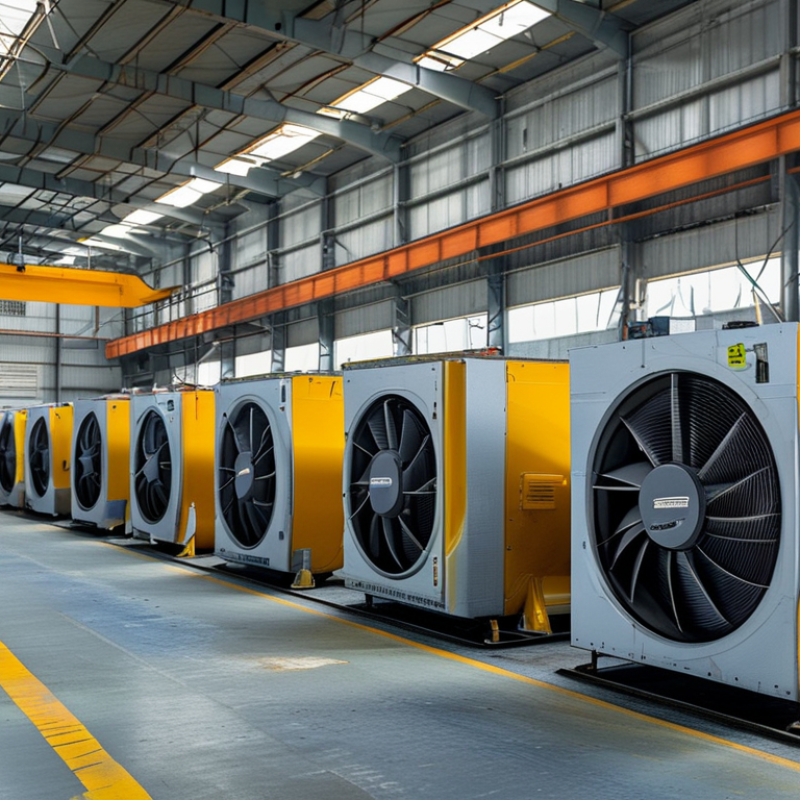
Top 10 Efficient Industrial Fans That Save Energy?

Top 10 Efficient Industrial Fans That Save Energy

In today's industrial environment, energy efficiency is crucial. Efficient industrial fans play a significant role in reducing energy consumption. According to the U.S. Department of Energy, industrial fans can account for 20-50% of a facility’s total energy use. This highlights the importance of selecting the right fan technology for operational efficiency.


A study found that energy-efficient fans can save up to 30% more energy compared to traditional models. Features such as variable speed drives and optimized blade design contribute to this efficiency. For instance, fans that run at lower speeds can drastically reduce energy consumption without compromising airflow. Implementing these fans can also lead to lower operational costs over time, enhancing the financial viability of projects.


However, not all energy-efficient options are equal. It is essential to assess the specific needs of your facility. Consider factors like airflow requirements and system layout before choosing a fan. A mismatch can lead to inefficiencies and increased maintenance costs. Continuous monitoring of fan performance is necessary to ensure they operate within optimal parameters. Adopting a strategic approach will maximize the benefits of energy-efficient industrial fans.

Understanding Energy Efficiency Ratings in Industrial Fans

Energy efficiency is crucial in selecting industrial fans. Ratings help businesses understand performance. In terms of energy consumption, a fan's efficiency is measured in airflow per watt. This is represented as CFM/Watt. A higher value indicates better efficiency, often leading to significant cost savings.

According to the U.S. Department of Energy, industrial fans can consume up to 25% of total energy in facilities. Choosing efficient models can reduce this consumption by as much as 50%. Companies should carefully analyze energy performance data when selecting fans. The inefficiencies in older models can lead to massive operational costs. Moreover, energy-efficient fans often require less maintenance, providing both cost savings and extended lifespan.

Evaluating energy efficiency ratings is not always straightforward. Factors such as size, installation, and operating conditions also play a role. The industry often emphasizes the significance of considering the entire system rather than just the fan. Some businesses skip this analysis, which can result in uninformed decisions. Understanding efficiency ratings is essential for smarter, more sustainable choices in industrial operations.

The Role of Fan Design in Energy Consumption Reduction

Fan design directly impacts energy consumption. When fans are engineered for efficiency, they can significantly lower energy usage. Factors like blade shape, motor type, and fan size all play vital roles. Efficient blades can move more air with less effort. This means that a well-designed fan requires less energy to operate.

However, not all designs are created equal. Some fans may look appealing but fail in performance. Aesthetic choices can lead to inefficiencies. It’s important to balance design and functionality. Engineers must test various prototypes to gauge performance and energy consumption. Small adjustments can yield substantial savings.

In commercial settings, the right fan design can reduce operational costs. Businesses often underestimate how much energy inefficient fans waste. Investing in high-quality designs may seem costly initially. However, the long-term savings in energy bills make it worthwhile. Understanding fan mechanics could pose challenges, but it’s essential for making informed decisions. Every detail matters when it comes to maximizing efficiency.

Comparative Analysis of Airflow and Efficiency in Leading Fan Models

When selecting industrial fans, airflow and efficiency are vital insights. Fans that save energy while maintaining high performance can significantly reduce operational costs. Different models exhibit varying airflow capacities, often measured in cubic feet per minute (CFM). This metric helps to identify which fan will effectively ventilate your space while using minimal energy.

Evaluating efficiency ratings, specifically the Energy Efficiency Ratio (EER), provides clarity on energy consumption for each model. Higher EER values indicate better energy performance, leading to lower utility bills over time. Yet, not all high airflow models guarantee energy efficiency. Thus, it’s crucial to examine specifications closely and consider how they align with your needs.

Check energy labels thoroughly. Look for certification marks that assure quality. Consider consulting with industry experts to gain insights into user experiences with specific models. Installation can also play a role in efficiency. Inadequate setup may lead to poor airflow or higher energy consumption. Reflect on past installations for insights on improvements.

Keep in mind the balance between cost and energy savings. Some high-efficiency models have higher upfront costs but yield significant savings in the long run. Weigh these factors to ensure informed decisions on your industrial fan purchases.

Impact of Motor Technology on Energy Savings in Industrial Fans

Motor technology plays a crucial role in the energy efficiency of industrial fans. Recent industry reports indicate that advanced motor designs can save up to 30% more energy compared to traditional motors. These improvements stem from the integration of technologies like permanent magnet motors. Such motors have higher efficiency levels, achieving over 90% performance in some cases.

Moreover, variable frequency drives (VFDs) are becoming standard in modern installations. These devices adjust motor speed to match required airflow, which significantly reduces unnecessary energy consumption. Reports show that integrating VFDs can lead to energy savings of 20% to 50%. However, the initial investment in these advanced technologies might be a barrier for some facilities, leading to underutilization.

One must also consider the maintenance implications of new motor technologies. While they offer superior efficiency, they may require specialized knowledge and training for proper upkeep. Many facilities report challenges in finding skilled personnel experienced with the latest motor advancements. This indicates a gap in workforce readiness that could hinder energy-saving implementations, reflecting a need for industry adaptation.

Top 10 Efficient Industrial Fans That Save Energy

Conclusion

This article delves into the realm of Efficient Industrial Fans, highlighting the top 10 models that not only enhance airflow but also significantly reduce energy consumption. It begins by exploring energy efficiency ratings, providing insights into how these ratings can guide users towards making informed purchasing decisions. The design of fans plays a crucial role in minimizing energy usage, and the analysis of airflow efficiency across various leading models reveals key factors contributing to performance.

Furthermore, the article examines the advancements in motor technology that have transformed energy savings in industrial fans. With a focus on future trends, it discusses how evolving technologies are paving the way for even more sustainable and efficient fan solutions. Overall, the piece serves as a comprehensive resource for those looking to invest in energy-efficient solutions for industrial applications.

Our dedicated sales and support staff are here to help you identify the ideal pump solution for your needs.

Contact Us