Why Are Gear Pumps Essential for Efficient Operations?

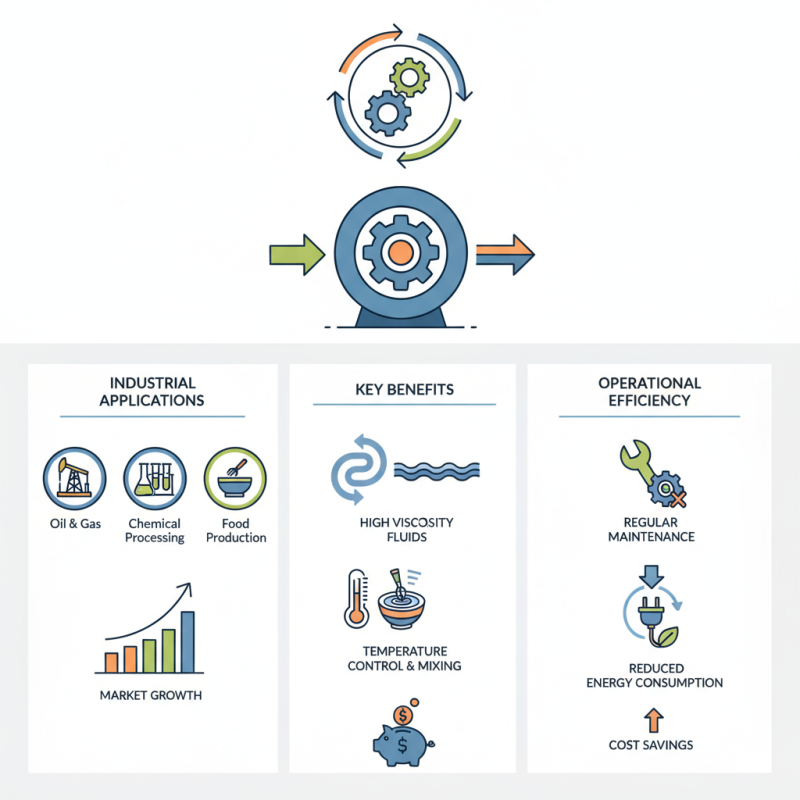
Gear pumps are pivotal in various industrial applications, providing reliable and efficient fluid transfer. According to a recent market analysis by Grand View Research, the gear pump market is expected to reach USD 2.2 billion by 2027. This growth highlights the increasing demand for these pumps in sectors such as oil and gas, chemical processing, and food production.

Gear pumps are renowned for their ability to handle high-viscosity fluids. They deliver a consistent flow rate, which is crucial in maintaining product quality. For instance, in the food industry, a steady flow ensures even mixing and temperature control during processes. Despite their advantages, gear pumps require regular maintenance to prevent wear and tear, which can lead to operational inefficiencies.

In a competitive landscape, the choice of pump technology can significantly impact operational efficiency. A study from the Hydraulic Institute indicates that poorly maintained or incorrect pump types can increase energy consumption by up to 30%. Thus, understanding the unique benefits of gear pumps is essential for businesses aiming to enhance their operational efficiency and reduce costs.
Why Are Gear Pumps Essential for Efficient Operations?

Understanding Gear Pumps: Mechanisms and Design Principles

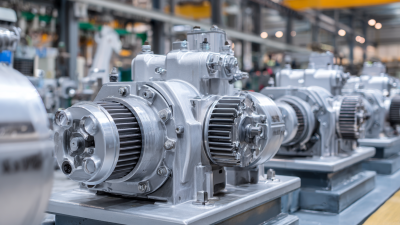
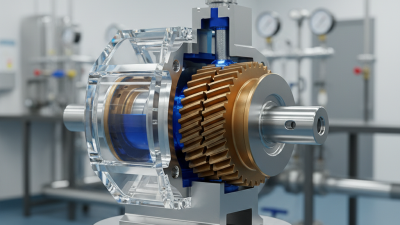
Gear pumps play a crucial role in various industries due to their efficiency and reliability. Their design allows for consistent fluid movement. By utilizing two or more rotating gears, they create a vacuum that draws in liquid and forces it out. This simple yet effective mechanism makes them suitable for hydraulic and lubrication systems.

In recent research, the global gear pump market is projected to reach USD 3.72 billion by 2028, growing at a CAGR of 4.1% from 2021 to 2028. This growth highlights the increasing demand for efficient fluid management solutions. Gear pumps are versatile and can handle a variety of fluids, including viscous materials. However, the design can pose challenges. For instance, improper sizing may lead to inefficient operation.

Details such as the materials used in gear construction impact durability and performance. Some designs may wear quickly under high pressures. Regular maintenance is essential to ensure longevity. According to industry reports, nearly 30% of pump failures result from lack of maintenance. Understanding these design principles can help engineers optimize pump selection for specific applications.
Key Applications of Gear Pumps in Various Industries

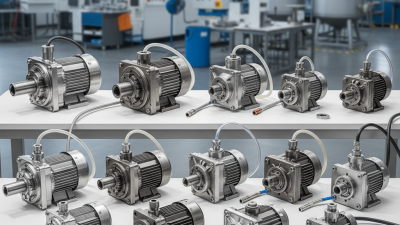
Gear pumps play a crucial role in various industries, ensuring smooth operations in hydraulic and fluid transfer systems. They are widely used in automotive, aerospace, and manufacturing sectors. These pumps excel at transferring viscous fluids, making them essential for lubricants and oils. Their design allows for consistent flow rates, which is vital in many applications.

In the food and beverage industry, gear pumps ensure precise ingredient mixing. They handle various viscosities, facilitating production efficiency. Additionally, in the chemical industry, these pumps are used for safe fluid transfer. They can manage aggressive chemicals, reducing the risk of spills and safety hazards.

Tips: Regular maintenance is key. Check the pump for wear and tear to avoid downtime. Ensure seals are intact to prevent leaks. Use appropriate materials for specific applications. This can reduce corrosion and prolong pump life. Monitor flow rates; fluctuations might indicate underlying issues.

Performance Metrics: Efficiency and Flow Characteristics of Gear Pumps

Gear pumps play a vital role in various industrial operations. Their efficiency is measured not just in terms of energy consumption but also in flow characteristics. These pumps can handle different types of fluids, whether viscous or thin. This adaptability makes them essential for various sectors, including oil, chemicals, and food processing.

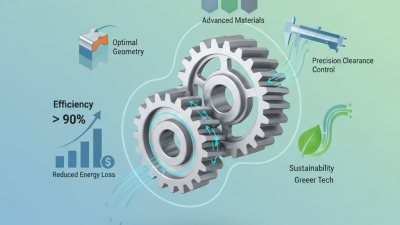
One key performance metric is volumetric efficiency. It indicates how effectively a pump moves fluid without losing too much energy. A well-optimized gear pump minimizes slip, ensuring more fluid movement per cycle. However, it's crucial to acknowledge that factors like wear and tear can affect this efficiency over time. Regular maintenance and assessments are necessary to keep them performing optimally.

Flow characteristics also matter significantly. Gear pumps provide a consistent flow rate, making them reliable for applications requiring precision. Yet, variations in temperature or fluid properties can lead to unpredictable performance. It’s important to evaluate these aspects to avoid potential inefficiencies. Understanding these parameters helps ensure that gear pumps operate at their best, ultimately benefiting overall production processes.

Comparative Analysis: Gear Pumps vs. Other Pump Types

Why Are Gear Pumps Essential for Efficient Operations?

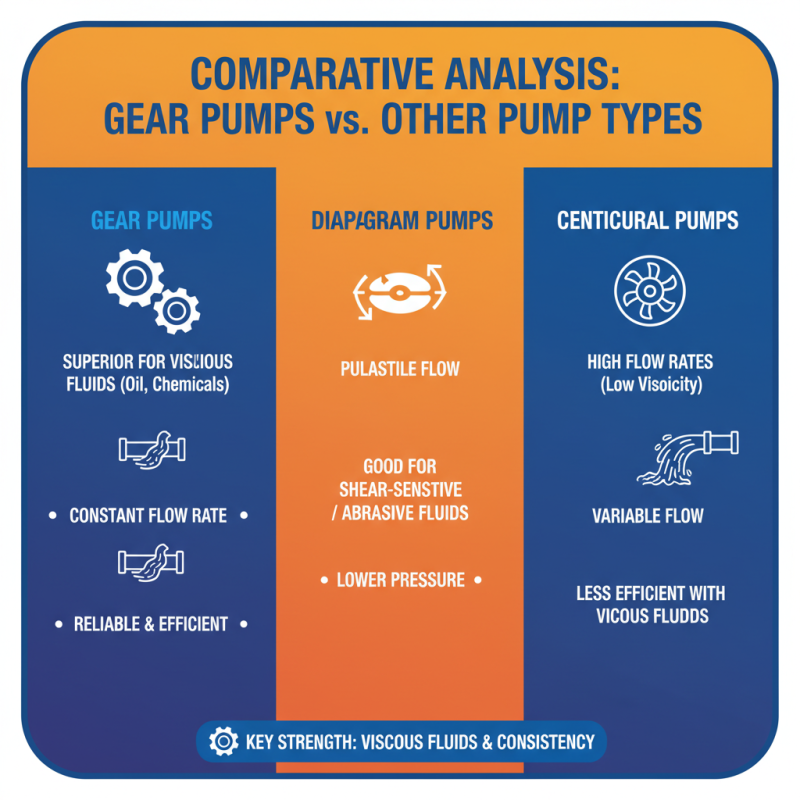
Gear pumps hold a critical position in various industries due to their reliability and efficiency. Compared to diaphragm and centrifugal pumps, gear pumps offer superior performance in specific applications. They excel in transferring viscous fluids. This capability is vital in settings like oil processing or chemical manufacturing. The design provides a constant flow rate, ensuring consistency in operations.

On the other hand, while gear pumps are robust, they might not be the best choice for all scenarios. Centrifugal pumps can handle large volumes of low-viscosity fluids better. They are also simpler in design, making maintenance easier in some cases. However, they can struggle with high-viscosity fluids, leading to inefficiencies. In contrast, gear pumps might face challenges like wear and tear from continuous operation.

Understanding these distinctions is important for choosing the right pump. Each type has pros and cons based on fluid characteristics and operational needs. It’s essential to weigh efficiency against potential maintenance needs to achieve optimal performance.

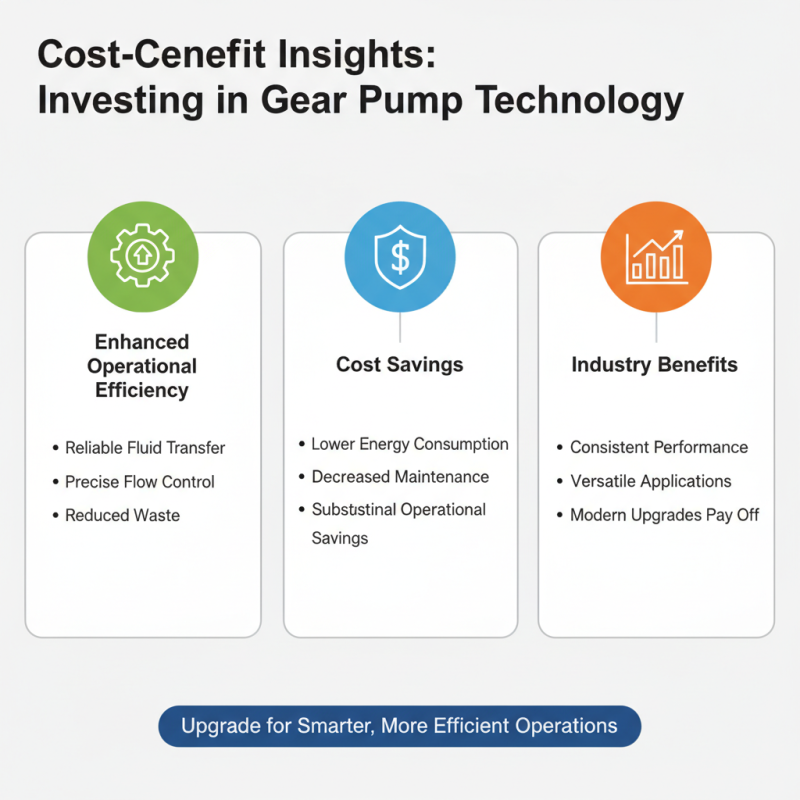
Cost-Benefit Insights: Investing in Gear Pump Technology for Operational Efficiency

Why Are Gear Pumps Essential for Efficient Operations?

Investing in gear pump technology can significantly enhance operational efficiency. These pumps offer reliable performance in moving fluids, which is crucial for many industries. Their design allows for precise flow control, reducing waste and energy consumption. Many businesses have reported noticeable savings in operational costs after upgrading to modern gear pumps.

However, choosing the right equipment can be complicated. Organizations often face challenges like maintenance needs and compatibility with existing systems. It's important to conduct thorough research. Seek expert advice to understand the long-term benefits versus upfront costs. Some may find the initial investment daunting, but the returns often outweigh these concerns over time.

Consider the specific applications in your operation. Are you dealing with high-viscosity fluids? Gear pumps excel in such scenarios, offering efficiency and reliability. Reflect on past experiences where inadequate pumping solutions led to disruptions. Investing wisely in gear pump technology can turn these challenges into opportunities for improvement.

Our dedicated sales and support staff are here to help you identify the ideal pump solution for your needs.

Contact Us