When a Tokimec pump needs replacement, a similar-looking unit can be misleading. A reliable match begins with the pump’s model number and the machine’s actual operating conditions. The right Tokimec Equivalent Pump should be checked against displacement, pressure rating, shaft rotation, mounting dimensions, and port layout. Flow and pressure matter. So do fluid type, operating speed, and control style. A shaft that appears close may not fit the coupling, while reversed rotation can affect system operation. Check whether the original assembly includes tandem sections or special options. Small details matter.
Catalog descriptions are useful, but they rarely tell the whole story. Compare manufacturer data sheets and verify dimensions against the pump and installation, not just a product photo. Record the nameplate information, measure the shaft and mounting points, and note the hose or pipe connections. Ask the supplier to confirm any unclear specifications in writing. If the pump supports critical equipment, have a qualified hydraulic technician review the match before installation. Even careful checks may leave uncertainty when an old model has limited documentation. That is worth acknowledging. A proposed equivalent is not automatically a guaranteed drop-in replacement. Clear specifications, documented comparisons, and a practical fit check can help reduce avoidable downtime and make the replacement decision more dependable.
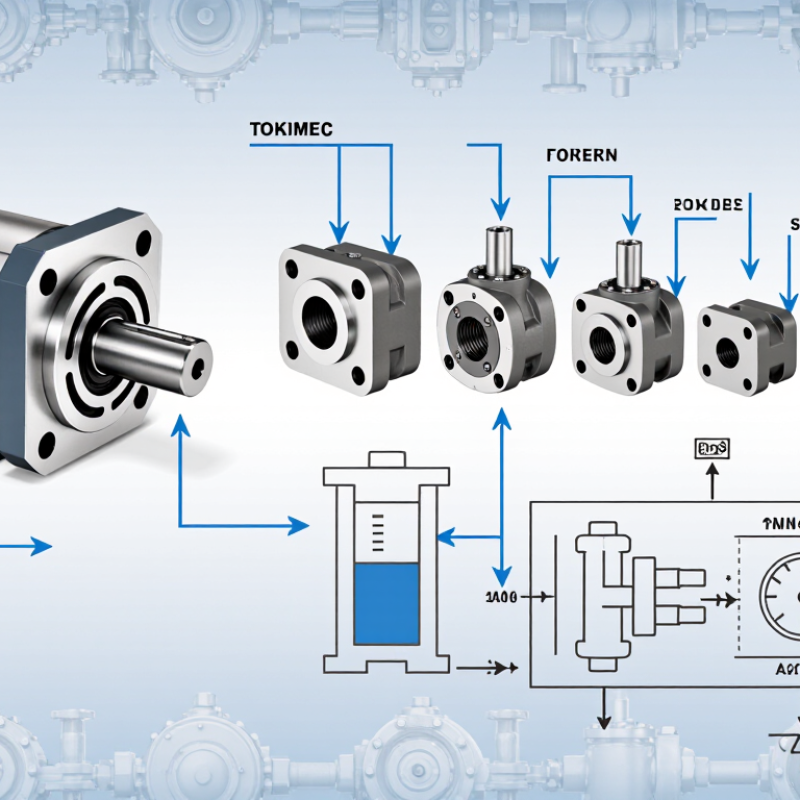
Identifying the pump model is the first step toward a reliable equivalent. Check the nameplate for the model code, displacement, rated pressure, and rotation direction. A clear photo can help preserve details when the plate is scratched or faded. Don’t guess from the housing shape alone. Similar-looking pumps may have different shaft dimensions or port layouts. Note the mounting pattern, shaft type, and inlet and outlet positions, then compare them with the service manual or a supplier’s technical drawings.
Application matters just as much as the model code. Record the machine’s operating pressure, flow needs, fluid type, and typical working temperature. A pump used for steady conveyor movement may need different control characteristics from one serving a fast-cycling press. Check the system, too: worn hoses or a restricted inlet can make a suitable replacement seem faulty. Field measurements are useful, but they are not always precise; verify critical dimensions before ordering.
Tips: Photograph the nameplate and ports, measure the shaft and mounting face, and write down the machine’s symptoms. Share those details with a qualified pump specialist. Small differences matter. A rushed match can lead to noise, heat, or poor performance, and the original specifications may not tell the whole story.
How to Find the Right Tokimec Equivalent Pump?
Record Its Displacement, Pressure, and Flow Requirements
Start with the original pump’s displacement, usually listed in cubic centimetres per revolution. Record operating speed, too. Theoretical flow equals displacement multiplied by revolutions per minute; actual flow is lower because of internal leakage. Check the machine at its normal working temperature, not only when cold. Small differences matter.
Write down both continuous and peak pressure, plus how long each pressure level lasts. A pressure gauge and flow meter can reveal whether the pump meets real demand or only its nameplate rating. Record fluid type, viscosity, and inlet conditions as well. These details affect performance, and overlooking them is an easy mistake. ISO 4409 describes methods for testing hydraulic pump performance, including flow and efficiency.
Use measured duty-cycle data when comparing candidate pumps. The U.S. Department of Energy’s 2006 Improving Pumping System Performance sourcebook reports that pumping systems use nearly 20% of global electrical energy. That figure covers pumping broadly, not hydraulic pump sizing, but it shows why wasted flow deserves attention. A displacement match alone is not enough. Recheck flow at the required speed and pressure, then leave room for operating variation. Your first estimate may be wrong; note what remains unverified before selecting a replacement.
An equivalent pump should match the duty, not just the old pump’s nameplate. Record required flow, differential pressure, operating speed, fluid viscosity, and temperature across the full duty cycle. Numbers first. The U.S. Department of Energy’s Improving Pumping System Performance sourcebook reports that pumping systems use nearly 20% of global electricity demand. It also estimates they account for 25–50% of energy use in some industrial operations. That makes efficiency at the actual operating point worth checking, not assuming from rated power.
Then compare physical and hydraulic compatibility. Check shaft diameter and keyway, mounting dimensions, port position and thread, rotation, seal materials, and control method. Confirm the fluid’s cleanliness and temperature range against the pump’s limits. A viscosity change can shift flow and power demand; a close-looking curve may not hold under real conditions. Small mismatch, big trouble. Compare performance curves at the required speed and pressure, and allow for system losses. Keep the original pump’s measured operating data if available. Even a careful comparison can overlook startup conditions or wear in connected equipment, so treat calculated values as estimates and verify them during commissioning.
How to Find the Right Equivalent Pump?
Check Mounting, Shaft, Port, and Control-System Details
A pump that looks similar may not fit or operate correctly. Compare the mounting face, bolt-hole spacing, and pilot diameter against the original unit. Measure the shaft diameter and length, then check its keyway or spline. Small differences matter. A shaft that enters the coupling only partway can wear quickly or slip under load.
Match port positions, thread types, and inlet and outlet sizes. Confirm rotation direction, displacement, operating pressure, and expected flow from the equipment documentation. Control details need equal care: check whether the pump uses pressure compensation, load sensing, or another control method. Connector shape alone is not enough; verify the control signal and adjustment range. A mismatch may cause slow response, excess heat, or unstable movement. It is easy to overlook this when a replacement appears to bolt on neatly.
Tips: Photograph the nameplate and connections before removal. Record dimensions, not guesses. If specifications are unclear, pause and confirm them with a qualified hydraulic technician. A quick fit check helps, but it cannot replace a full specification match.
Check mounting, shaft, port, and control-system details before selecting a replacement.
Use these exact inch-to-millimeter conversions when comparing measured shaft or port dimensions. They are unit references, not specifications for any particular pump. Also verify the mounting pattern and control-system configuration against the original pump documentation.
A suitable replacement is not proven by a matching outline. Request a current datasheet, dimensional drawing, and written confirmation of the pump’s displacement, pressure rating, rotation, shaft, mounting, and fluid compatibility. Check these against the machine’s service records and the original pump’s nameplate. Small details matter. A shaft that looks close may still seat incorrectly, while an inlet mismatch can cause noisy operation.
Keep the documents with the equipment record, including the pump’s serial details and any stated operating limits. Then verify the installation under controlled conditions. Prime the system as specified, check for leaks, and record pressure, flow, temperature, and noise at startup and normal load. Compare readings with the machine’s documented requirements, not just with the removed pump. Stop if pressure fluctuates, the housing heats unusually, or vibration increases. A clean test sheet is useful, but it cannot replace a qualified technician’s judgment. I would also note any uncertainty, rather than treating one successful run as proof of long-term compatibility.
We are here to help you with all your queries and concerns, just write to us using the below form and we will get back to you as soon as we can.