What are Flexible PCBs and their Applications?
Flexible Pcbs, or flexible printed circuit boards, are revolutionizing the electronics industry. Their unique ability to bend and twist makes them ideal for various applications. According to a report by MarketsandMarkets, the flexible PCB market is expected to grow significantly, reaching over $30 billion by 2026. This growth reflects a rising demand in sectors like consumer electronics, automotive, and medical devices.
These components are lightweight and can fit into compact spaces. This is crucial for modern devices that are becoming increasingly portable. Flexible PCBs are used in smartphones, wearables, and even aerospace technology. However, challenges remain in manufacturing processes. Quality control issues can arise, particularly in high-volume production.
Moreover, the environmental impact of flexible PCBs is a growing concern. Many companies are exploring sustainable materials and practices. As industries advance, the need for flexible PCBs is undeniable, yet we must strive for continuous improvement. Balancing innovation with responsibility is essential for future developments in this dynamic field.
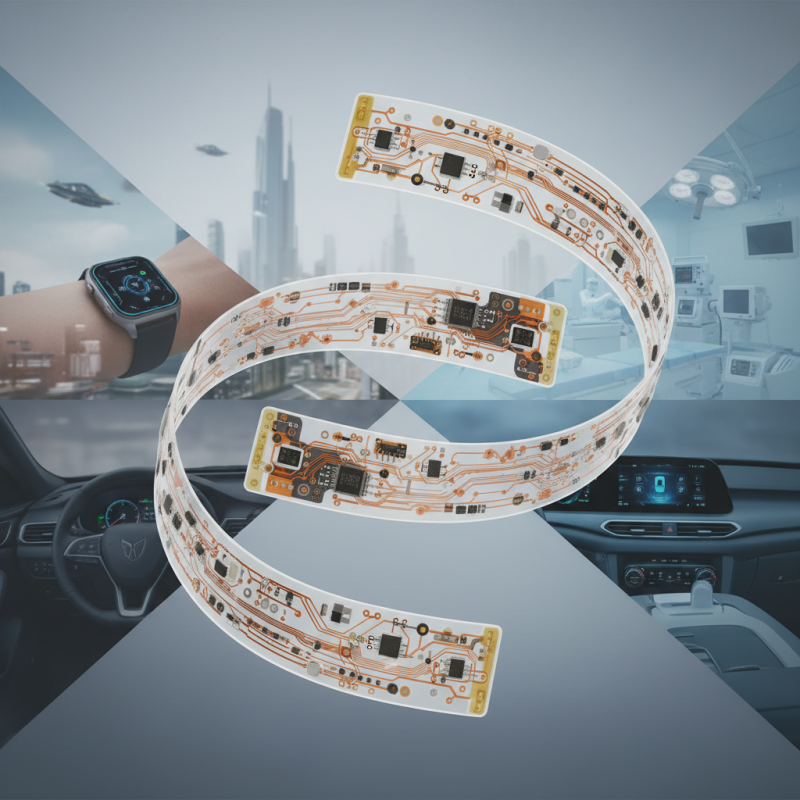
What are Flexible PCBs?
Flexible PCBs, or Printed Circuit Boards, are versatile electronic components made from materials that bend and twist. Unlike traditional rigid boards, flexible PCBs allow for complex designs. They can fit into spaces that are compact or irregular. Common materials include polyimide and polyester, which are lightweight yet durable.
The demand for flexible PCBs is growing rapidly. According to a recent market research report, the global flexible PCB market is expected to reach approximately $32 billion by 2024, driven by advances in technology. Consumer electronics and medical devices are prominent sectors where flexible PCBs are essential. In these applications, they enhance device performance and reduce overall size.
Despite their advantages, flexible PCBs come with challenges. The manufacturing process is often more complex and costly compared to traditional boards. Additionally, their reliability in extreme conditions can be a concern. Engineers must consider these factors carefully when designing flexible circuits. As technology progresses, balancing performance and manufacturing efficiency remains crucial for the future of flexible PCB applications.
Characteristics of Flexible PCBs
Flexible printed circuit boards (PCBs) are unique in their design and functionality. They allow for a compact arrangement of electronic components. This feature is key for industries that demand lightweight and space-saving solutions. The ability to bend and twist means they fit into tighter spaces compared to traditional rigid boards. As a result, flexible PCBs are common in wearables and portable devices.
One of the most notable characteristics of flexible PCBs is their material composition. They are usually made of polyimide or polyester substrates. These materials offer excellent thermal stability. They can withstand high temperatures, which is important for various applications. Another characteristic is their ability to resist mechanical stress. This ensures long-term reliability in devices that experience constant movement. However, flexibility can also lead to challenges. For instance, they can be more susceptible to damage during manufacturing and assembly.
Designing flexible PCBs requires careful consideration. Engineers must think about the bending radius and stress points. Mistakes in these areas can lead to failures in the final product. Despite the challenges, flexible PCBs continue to gain popularity. Their unique characteristics make them essential for innovation in many fields, including automotive and medical technology.
What are Flexible PCBs and their Applications? - Characteristics of Flexible PCBs
| Characteristic | Description | Applications |
| Flexibility | Can be bent and twisted to fit various shapes. | Wearable electronics, medical devices. |
| Lightweight | Significantly lighter than traditional rigid PCBs. | Aerospace, smartphones. |
| Compact Design | Allows for smaller electronic devices with complex circuitry. | Consumer electronics, IoT devices. |
| Durability | Resistant to damage from bending and environmental factors. | Automotive applications, industrial machinery. |
| High Thermal Conductivity | Efficient heat dissipation in devices. | LED lighting, power management systems. |
| Customization | Can be designed for specific applications and requirements. | Specialized medical equipment, robotics. |
Advantages of Using Flexible PCBs
Flexible PCBs, or printed circuit boards, offer numerous advantages that make them increasingly popular in various industries. Unlike traditional rigid boards, these flexible circuits can bend and twist. This adaptability allows for innovative designs in electronic devices, particularly in compact spaces. For example, smartphones and wearables rely on flexible PCBs to maximize functionality without compromising on size.
One significant advantage of flexible PCBs is their lightweight nature. Because they use thinner materials, they contribute to lighter overall devices. This can impact battery performance and portability positively. Additionally, flexible PCBs are more resistant to shock and vibration. This resilience means they often last longer in demanding environments. However, their manufacturing process can be more complex and expensive.
Despite their benefits, flexible PCBs aren't always the best choice for every application. Their flexibility may limit the integration of certain components. Sometimes, heat dissipation can also be a concern. Designers need to assess the specific requirements of each project carefully. Balancing performance, cost, and durability is essential when choosing flexible over rigid PCBs.
Common Applications of Flexible PCBs
Flexible PCBs, or printed circuit boards, have become a cornerstone in modern electronics. They offer adaptability that traditional rigid boards cannot. The bending and twisting capabilities open new dimensions in product design. Common applications for flexible PCBs range from consumer electronics to aerospace.
Consumer electronics are a significant market for flexible PCBs. According to industry reports, these boards account for approximately 30% of the PCB market share in consumer devices. Smartphones, tablets, and wearables often incorporate flexible PCBs due to their lightweight nature and compact design. Medical devices also benefit greatly. Flexible circuits are used in portable diagnostic equipment and implantable devices, improving patient outcomes and device functionality.
Tips: Consider the thermal management of flexible PCBs. They may require specific materials to handle heat. Ensure your designs account for this.
Automotive applications are expanding for flexible PCBs, yielding approximately 15% of the market. These PCBs are utilized in advanced driver-assistance systems (ADAS) and dashboard displays. However, integrating flexible circuits in harsh environments can present challenges. Users must source high-quality materials that withstand vibrations and temperature changes.
Tips: Evaluate testing procedures carefully. Durable designs can help mitigate failures over time. Regular assessments can ensure long-lasting flexibility in your products.
Future Trends in Flexible PCB Technology
Flexible PCBs represent a significant shift in electronic design, allowing for more innovative applications. As industries demand lighter and more compact devices, the trend toward flexible circuit boards intensifies. These boards bend and fold, fitting into tight spaces that traditional rigid boards cannot. They are essential in wearable technology, healthcare devices, and portable electronics. These applications often require durability and design versatility, attributes that flexible PCBs can provide.
Looking ahead, future trends in flexible PCB technology hint at even greater advancements. New materials are being developed to enhance performance and reliability. Sustainable options are becoming a priority, catering to eco-conscious consumers and manufacturers. As electronic devices keep evolving, flexible PCBs will adapt to accommodate more complex functionalities. However, challenges lie ahead, including manufacturing processes and cost management. The industry must balance innovation with production feasibility. Fostering collaboration among stakeholders may lead to breakthroughs in this exciting field. The journey is still unfolding, revealing both possibilities and areas for reflection.