How to Choose the Right Rolled Metal Supplier?

Choosing the right Rolled Metal supplier can determine whether a project runs smoothly or becomes a costly correction exercise. The decision reaches beyond price. It involves material consistency, dimensional accuracy, delivery discipline, and technical support. A supplier may offer attractive rates, yet poor coil edges or uneven thickness can disrupt stamping, fabrication, and finishing.

Lakshmi Mittal, a leading steel industry executive, has said, “The steel industry is the backbone of any economy.” His statement reflects the material’s importance, but it also highlights supplier responsibility. A dependable partner should provide clear mill test reports, heat-number traceability, and documented quality controls. Ask about grade availability, thickness tolerances, surface finish, minimum order quantities, and packaging methods. Request recent samples when the application requires tight specifications. A sample coil can reveal scratches, oil residue, edge damage, or inconsistent leveling before production begins.

Experience matters here. An experienced buyer checks how coils are stored, not only how they are priced. Dry storage helps prevent corrosion. Strong protective wrapping reduces damage during transport. Delivery records may reveal more than a polished sales presentation. Still, no supplier is perfect. Even careful teams can miss a small tolerance issue or underestimate seasonal demand. That is worth admitting.

Compare suppliers using the same checklist. Speak with quality engineers, not only sales representatives. Confirm how complaints are investigated and corrected. The strongest Rolled Metal supplier communicates early, documents accurately, and treats a failed batch as a problem to solve. Reliability is built through repeated evidence, not promises.
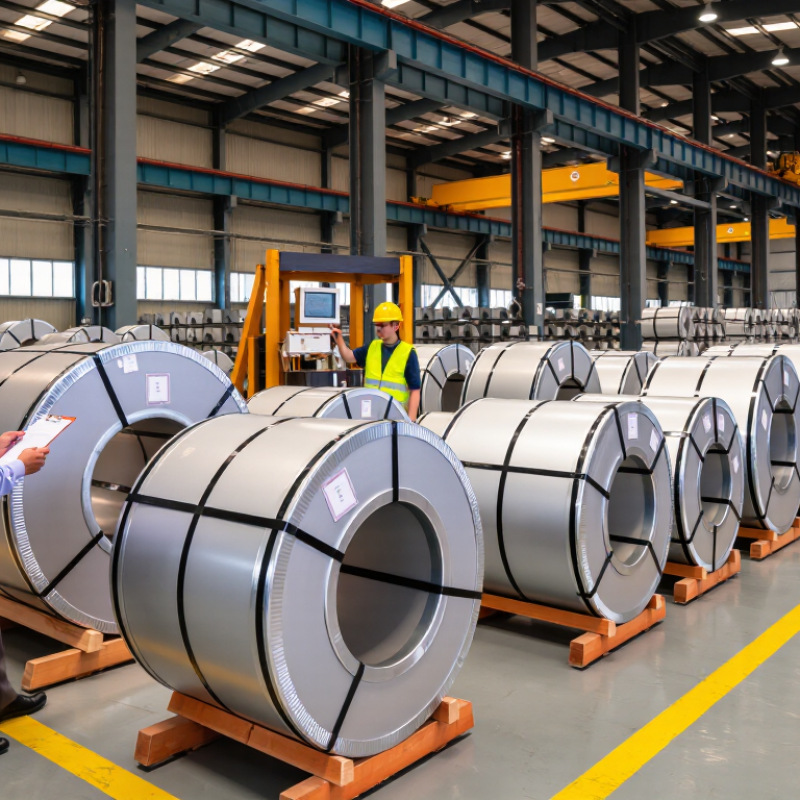
How to Choose the Right Rolled Metal Supplier?

Define Your Rolled Metal Requirements and Project Specifications

Before comparing rolled metal suppliers, define the material your project truly needs. Specify the alloy or grade, thickness, width, coil weight, surface finish, and edge condition. Include acceptable tolerances, not just target dimensions. A sheet listed as 2.00 millimeters may require a tighter range for precision forming. Small differences can affect bending, welding, and assembly.

Describe the working environment clearly. Note exposure to moisture, heat, chemicals, outdoor conditions, or repeated stress. State whether the metal will be cut, stamped, rolled, welded, or machined. Your supplier should understand the complete process, not only the purchase order. Request mill test reports, chemical composition, mechanical properties, and applicable inspection records. Ask how each batch is identified and traced.

Quantity and delivery details also shape the right specification. Share your expected order volume, trial requirements, packaging needs, and delivery schedule. Mention whether partial shipments are acceptable. In my early sourcing work, I focused too much on price and overlooked coil handling requirements. That caused avoidable delays. I also assumed a standard finish would be suitable without testing it. That assumption was weak. A small sample, forming trial, and review of tolerance data can expose problems before full production. Keep a written specification sheet, and revise it when testing reveals a better requirement.

Verify Supplier Materials, Equipment, and Production Capabilities

Choosing a rolled metal supplier requires more than comparing price per tonne. Material evidence comes first. The World Steel Association reported 1.89 billion tonnes of crude steel production in 2023. Such scale increases the importance of traceability, not just availability.

Request heat numbers, chemical analysis, mechanical test results, and coating details. Compare them with your required grade and applicable standards. A certificate helps, but it is not infallible. Independent testing may reveal differences in hardness, thickness, or surface finish.

Ask how samples are selected and stored. Reliable suppliers should explain nonconforming material procedures without hesitation.

Equipment reveals practical capability. Check whether the facility uses calibrated thickness gauges, controlled rolling lines, slitting systems, and suitable heat-treatment equipment. Ask for tolerance records from recent production, not only machine specifications.

Production capacity also needs careful questioning. The World Steel Association’s World Steel in Figures 2024 shows major regional differences in steel output, so local capacity should never be assumed. Confirm monthly capacity, minimum order quantities, lead times, and backup arrangements. A large factory may still struggle with small, customized coils.

Tips: Visit the production floor when possible. Check coil labels against inspection documents. Ask for three recent delivery examples. Verify calibration dates. Request a trial order before signing a long-term agreement. Pay attention to vague answers; they often matter more than polished presentations. My own view is slightly cautious: supplier data can look complete while missing the detail your application depends on.

Evaluate Quality Standards, Certifications, and Inspection Procedures

Choosing a rolled metal supplier requires more than checking a certificate on a website. The ISO Survey 2023 recorded 1,265,216 valid ISO 9001 certificates worldwide. That scale shows quality systems are common, but certification alone proves little about a specific coil, sheet, or plate. Ask for the certificate number, issuing body, scope, expiry date, and audited production site. The scope should cover rolling, testing, and material traceability, not only office procedures. Also review mill test certificates against the purchase order. Confirm grade, heat number, chemistry, mechanical properties, thickness, width, and surface condition.

Inspection procedures reveal operational discipline. Reliable suppliers should explain sampling plans and equipment calibration. Useful checks include spectrochemical analysis, tensile testing, hardness testing, dimensional measurement, and ultrasonic inspection when internal defects matter. Heat numbers should remain traceable from melting through slitting and shipment. The World Steel Association reported approximately 1.88 billion tonnes of crude steel production in 2024, so production volume does not automatically indicate consistent quality. Large output can still hide weak controls. Ask for recent nonconformance records and corrective-action examples. That question may feel uncomfortable. It is often valuable. Independent inspection can verify loading condition, marking, packaging, and test results before shipment. However, inspection is only a snapshot; it cannot replace a capable process. A supplier may hold impressive certifications yet provide incomplete records. I would treat missing data as a purchasing risk, not a minor paperwork issue.

How to Choose the Right Rolled Metal Supplier? - Evaluate Quality Standards, Certifications, and Inspection Procedures
Evaluation Dimension What to Check Relevant Standard or Requirement Typical Evidence to Request Inspection or Review Frequency Evaluation Status
Material Grade and Chemical Composition Confirm that the supplied alloy, grade, temper, and chemical composition match the purchase specification and applicable product standard. Applicable ASTM, EN, ISO, or national material specification; heat or batch traceability requirements. Material test certificate, heat number, chemical analysis report, and purchase-order conformity statement. Each heat, cast, coil, or batch, according to the agreed specification. Required
Mechanical Properties Review yield strength, tensile strength, elongation, hardness, and other properties required for forming or service performance. ISO 6892-1 for metallic tensile testing; ASTM E8/E8M or the designated product standard where applicable. Test reports identifying specimen direction, test method, results, lot number, and laboratory approval. Each production lot or as defined by the product specification. Required
Dimensional Accuracy Check thickness, width, length, flatness, camber, edge condition, and allowable tolerances. Specified product standard, customer drawing, and agreed dimensional tolerance table. Inspection records, calibrated measuring-equipment list, dimensional control plan, and sample results. Start-up inspection plus periodic checks during rolling, slitting, or cut-to-length operations. Required
Surface Quality Assess scratches, pits, roll marks, stains, scale, dents, edge cracks, oxidation, and other defects relevant to the end use. Visual acceptance criteria, approved reference samples, surface-finish specification, and agreed defect limits. Surface-inspection procedure, defect classification, inspection photographs, and nonconformance records. Continuous visual inspection where practical, with documented final inspection for every shipment. Required
Quality Management System Determine whether the supplier operates a controlled system for document management, corrective action, training, process control, and internal audits. ISO 9001 certification or an equivalent independently audited quality management system. Current certificate, certification scope, validity dates, audit status, quality manual summary, and corrective-action process. Verify before approval and again before certificate expiry or during periodic supplier review. Recommended
Environmental and Sustainability Controls Review controls for energy use, emissions, waste, water, hazardous substances, and environmental legal compliance. ISO 14001 may demonstrate an environmental management system; product-specific environmental declarations may be required separately. Valid certificate, scope, environmental objectives, compliance records, and requested product carbon or recycled-content data. Annual review or according to customer sustainability requirements. Conditional
Testing Laboratory Competence Confirm that chemical, mechanical, dimensional, and special-process tests are performed with suitable equipment and competent personnel. ISO/IEC 17025 accreditation for testing laboratories, where independent or accredited testing is required. Accreditation scope, test methods, calibration certificates, proficiency-testing records, and laboratory reports. Review during supplier qualification and whenever test methods, laboratories, or critical equipment change. Recommended
Inspection and Sampling Plan Check whether sampling levels, acceptance criteria, inspection stages, and escalation rules are clearly defined. ISO 2859-1 may be used for attribute-based sampling plans; sampling must be agreed with the product risk and contract requirements. Inspection and test plan, sampling tables, control plans, acceptance criteria, and final-release checklist. Applied to every lot or shipment, with increased inspection after a failure or process change. Required
Calibration and Measurement Control Verify that gauges, micrometers, scales, hardness testers, tensile machines, and other devices are calibrated and suitable for their intended accuracy. Documented calibration system with traceability to recognized measurement standards; ISO 10012 principles may be used as guidance. Calibration certificates, equipment identification, due dates, uncertainty information, and out-of-tolerance investigation records. According to risk-based calibration intervals and manufacturer recommendations. Required
Certificate of Conformity and Traceability Ensure that every shipment can be traced from the finished coil or sheet back to the heat, production route, inspection results, and applicable order. EN 10204 inspection documents, when specified; certificate type must match the contractual requirement. Certificate of conformity, inspection certificate, heat number, coil or batch number, production date, and shipment identification. Every shipment, with records retained for the contractually defined period. Required
Nonconforming Product Control Assess how the supplier identifies, segregates, investigates, and disposes of material that fails requirements. Documented nonconformance and corrective-action procedure within the quality management system. Nonconformance reports, root-cause analysis, corrective-action records, concession approvals, and recurrence data. For every deviation, with trend review during periodic supplier-performance meetings. Required
Packaging, Identification, and Handling Check protection against corrosion, moisture, impact, contamination, telescoping, and handling damage during storage and transport. Customer packaging specification, storage requirements, and transport risk assessment. Packaging specification, loading photographs, labels, corrosion-protection method, and handling instructions. Every shipment, with additional checks after transport damage or packaging changes. Required
Supplier Performance History Evaluate delivery reliability, rejection rate, repeat defects, response time, corrective-action effectiveness, and documentation accuracy. Contractual key performance indicators and documented supplier scorecard criteria. At least 6–12 months of performance data where available, including delivery records, claims, and corrective-action closure time. Monthly or quarterly, depending on material criticality and purchase volume. Recommended

Compare Pricing, Lead Times, Delivery Options, and Minimum Orders

How to Choose the Right Rolled Metal Supplier?

Compare Pricing, Lead Times, Delivery Options, and Minimum Orders

A low quote can still be a false economy. Request itemized pricing for grade, thickness, width, surface finish, slitting, packaging, and freight. Compare landed cost, not only the mill price. The World Steel Association reported 1,888.2 million tonnes of global crude steel production in 2023. That scale creates pricing choices, but also quality variation. Ask for recent test certificates and tolerance records.

Lead time needs practical checking. Ask whether it includes production, inspection, packing, and transport. A published estimate may be optimistic. Confirm available stock and the supplier’s weekly output. For delivery, compare full truckload, consolidated freight, rail, and ocean options. UNCTAD’s Review of Maritime Transport 2023 states that more than 80% of global trade by volume moves by sea. Ocean freight may reduce cost, but it usually requires more planning and larger order quantities.

Price matters.

Minimum orders deserve equal attention. A 10-ton minimum can create five months of inventory when your usage is only two tons monthly. That ties up cash and increases storage risks. Negotiate trial quantities, split deliveries, or mixed-width loading when possible. Also check whether smaller orders carry cutting or handling fees. The best supplier is not always the cheapest. It is the one whose pricing, capacity, delivery method, and order rules fit your actual production rhythm. One detail is easy to miss: ask what happens when specifications change after confirmation.

Assess Communication, Customization, Technical Support, and Reliability

Choosing the right rolled metal supplier requires more than comparing prices. Communication reveals how a supplier will manage pressure. Ask how quickly they answer technical questions and update delivery schedules. During a trial order, check whether replies include heat numbers, tolerances, and shipment details. Clear communication reduces expensive misunderstandings. Small details matter.

Customization starts with precise questions. Request samples showing width, thickness, edge condition, surface finish, and packaging. A capable technical team should explain production limits without making vague promises. Ask whether the material suits stamping, bending, welding, or other processes. Review mill test reports and inspection procedures before approving an order. Be specific. I once underestimated packaging requirements, and minor surface marks appeared during transport.

Reliability needs evidence, not confident language. Compare quoted lead times with actual shipment records. Ask how the supplier handles shortages, defects, and urgent specification changes. A dependable supplier documents corrective actions and keeps quality records available. Technical support should continue after delivery, especially when material behaves differently on the production line. No supplier is perfect. However, repeated excuses deserve attention. Visit the facility when possible, observe coil storage, and ask who owns each quality decision. A written communication trail can protect both sides when expectations change.

Our dedicated sales and support staff are here to help you identify the ideal pump solution for your needs.

Contact Us