
The Hydraulic Equipment Parts industry is vital for global machinery operations. In 2022, the hydraulic equipment market was valued at approximately $45 billion and is projected to reach $63 billion by 2028, according to industry reports. This growth underscores the importance of sourcing high-quality hydraulic equipment parts from reliable suppliers, particularly in China.
Chinese manufacturers offer a diverse range of hydraulic components, setting standards for quality and innovation. Components like pumps, cylinders, and valves are key for machinery functionality. However, challenges exist in ensuring quality control and supplier reliability.
Buyers must conduct thorough research to identify trustworthy manufacturers. This includes examining certifications and customer feedback. Engaging with experts in the field can provide deeper insights into product specifications and applicable industry standards. Quality assurance remains a critical aspect to consider when sourcing hydraulic equipment parts. By prioritizing these factors, buyers can enhance operational efficiency and reduce long-term costs.
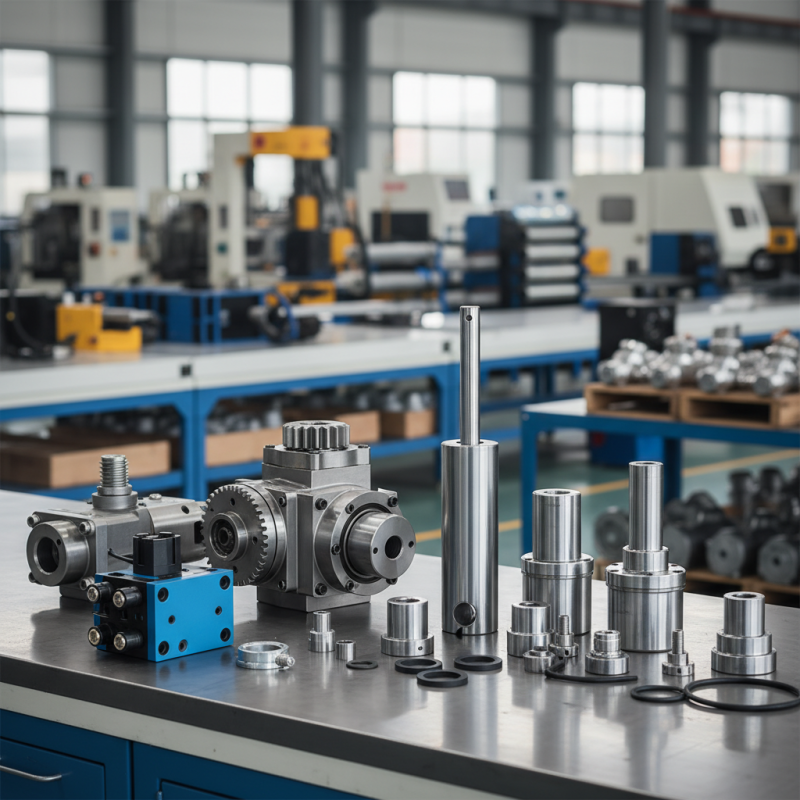
Hydraulic equipment is essential in various industries. China's export market offers a wide range of components. Many buyers seek high-quality parts for reliability and performance.
In China, key hydraulic equipment components include pumps, cylinders, and valves. These items play critical roles in machinery. The diverse production capabilities in China meet global demand. However, not all suppliers maintain the same quality standards. It’s crucial for buyers to conduct thorough research.
Quality control in manufacturing is often inconsistent. Some manufacturers may overlook testing procedures. Therefore, buyers should request certifications and specifications. This can help ensure that the parts meet international standards. Developing a strong relationship with suppliers can also improve reliability. By taking these steps, buyers can navigate the complexities of the export market confidently.
| Part Name | Material | Application | Export Volume (Units) | Average Price (USD) |
|---|---|---|---|---|
| Hydraulic Cylinder | Steel | Construction Equipment | 20000 | 250 |
| Hydraulic Pump | Aluminum | Agricultural Machinery | 50000 | 300 |
| Hydraulic Hose | Rubber | Manufacturing | 150000 | 50 |
| Hydraulic Filter | Plastic | Automobile | 100000 | 20 |
| Hydraulic Valve | Brass | Marine Equipment | 80000 | 120 |
In the booming hydraulic equipment sector, global buyers look for reliable manufacturers in China. Industry reports indicate that the hydraulic parts market is expected to reach $57.56 billion by 2025, growing at a CAGR of 6.4%. This growth reflects the increasing demand across various industries, including construction and agriculture.
Many manufacturers focus on precision engineering. They offer components that meet strict quality standards. Hydraulic pumps, cylinders, and valves are among the top components. Buyers prefer suppliers that maintain strict quality control during production. The best manufacturers usually have certifications that validate their processes.
Furthermore, logistics and support play crucial roles in attracting global customers. Timely delivery and responsive customer service are key factors. Some suppliers still face challenges in maintaining these standards. Reports suggest that inconsistencies in product quality can lead to buyer dissatisfaction. Companies need to address these issues to strengthen their market position. Quality assurance and transparency in operations build trust with international clients.
The demand for hydraulic equipment parts is growing globally, with China leading the market. In 2023, the hydraulic equipment parts market is projected to expand by approximately 6.5% annually. This growth reflects increased industrialization and infrastructure projects. Notably, Asia-Pacific remains the largest consumer, with a significant share coming from China.
The market trends indicate a shift towards advanced technologies. Buyers are looking for components that enhance efficiency and durability. According to a recent industry report, hydraulic cylinder components and pumps are particularly in demand. These components are essential for the functionality of various machinery in construction and agriculture.
**Tip:** Stay updated on innovations in hydraulic technologies. Knowledge about emerging trends can provide a competitive edge.
Another trend is the increased need for sustainable solutions. Manufacturers are focusing on producing eco-friendly hydraulic parts to meet new regulations. As companies prioritize sustainability, sourcing from suppliers with green certifications is becoming crucial.
**Tip:** Assess your suppliers' sustainability practices. Reliable suppliers help ensure quality and compliance with environmental standards.
In conclusion, understanding these market trends is vital for buyers. It allows them to make informed decisions while navigating the evolving landscape of hydraulic equipment parts.
Achieving quality standards is crucial for hydraulic equipment produced in China. The industry must comply with various international certifications to ensure reliability. According to data from the International Organization for Standardization (ISO), over 70% of buyers prioritize ISO certifications when sourcing hydraulic parts.
One significant certification is ISO 9001, which focuses on effective quality management systems. This standard helps manufacturers streamline processes and reduce defects. Research shows that companies with ISO 9001 certification report a 20% increase in efficiency. Buyers should also consider certifications like CE and ASME to ensure safety and compliance with European and American regulations.
However, not all manufacturers meet these standards. Reports indicate that up to 30% of Chinese suppliers either misrepresent their certifications or fail to adhere to quality requirements. This discrepancy highlights the need for thorough vetting. Buyers should perform audits and request documentation to verify compliance. Tracking and assessing suppliers is vital for maintaining quality throughout the supply chain.
When sourcing hydraulic equipment parts from China, cost is a critical consideration. Prices vary significantly based on several factors. For instance, raw material costs fluctuate with market trends, impacting overall pricing. Labor costs in specific regions also play a vital role in determining the final price. Global buyers must track these variables closely to make informed purchasing decisions.
In addition to price factors, procurement strategies are essential for success. Establishing strong relationships with suppliers can lead to better negotiation terms. Transparency in communication helps identify potential risks and enhances trust.
Quality assurance is non-negotiable; global buyers should conduct regular inspections to ensure parts meet specifications. Many buyers overlook these details, which can lead to costly errors or delays. Striking a balance between cost-saving and quality can be challenging but necessary for sustainable procurement. Being aware of the local market dynamics is crucial for effective strategy formulation.
We are here to help you with all your queries and concerns, just write to us using the below form and we will get back to you as soon as we can.