Why Invest in Water Pump Equipment for Your Business Needs?

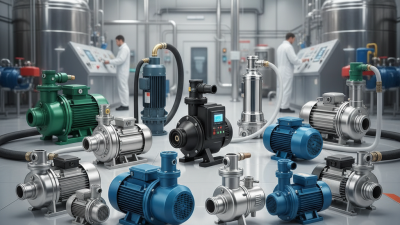
Investing in water pump equipment is crucial for many businesses today. The global water pump market is projected to reach $66 billion by 2027, growing at a CAGR of 5.5% (Global Water Pump Market Report). This surge highlights the demand for efficient and reliable equipment across various industries. Water pumps are essential for agriculture, manufacturing, and construction, where they ensure operational efficiency and productivity.

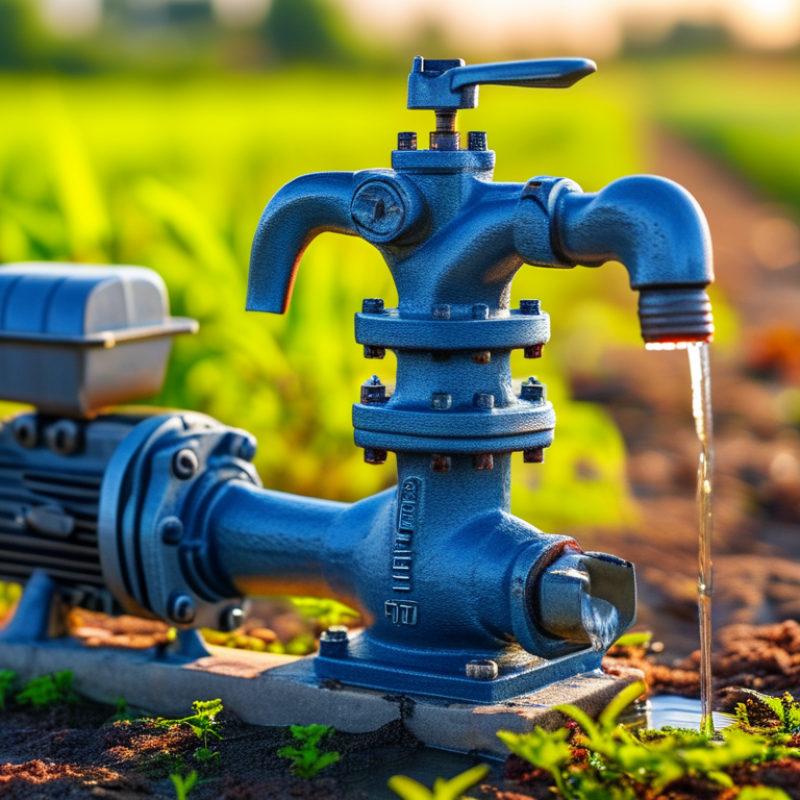
In the agricultural sector, for instance, a robust water pump system can double crop yields by providing consistent irrigation. Failed pump systems can lead to significant losses, making the right investment vital. A study from the American Society of Agricultural and Biological Engineers shows that improved pumping technology can reduce energy consumption by up to 30%. This data underscores the importance of selecting high-quality water pump equipment.

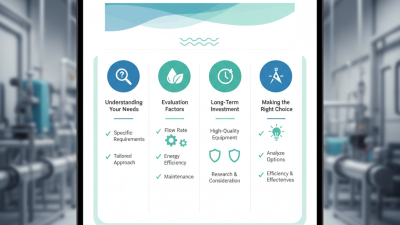
While investing in water pump equipment brings clear benefits, it also poses challenges. Not all businesses know which type of pump best suits their needs. Choosing the wrong equipment can lead to inefficiencies and increased costs. It is essential for companies to evaluate their unique requirements. Careful consideration of water pump systems will not only boost sustainability but also enhance overall business performance.
Why Invest in Water Pump Equipment for Your Business Needs?

Benefits of Investing in Water Pump Equipment for Business Operations

Investing in water pump equipment can greatly enhance your business operations. Water pumps play a crucial role in various industries, from agriculture to manufacturing. They ensure efficient water supply and management. This leads to increased productivity and reduced operational costs. Reliable water delivery makes it easier to conduct daily tasks. Many industries depend on water for their processes. Without proper water management, productivity can suffer.

Quality water pumps provide consistent performance. They help prevent downtime caused by water shortages or failures. This reliability translates to trust within your operations. Businesses can focus on their core activities without worrying about water supply issues. Furthermore, investing in modern equipment can lead to better energy efficiency. This not only reduces costs but also supports sustainability efforts.

It’s essential to choose the right pump for your specific needs. Poor choices could lead to inefficiency or frequent breakdowns. Regular maintenance is also vital for longevity. Business owners might overlook this aspect, but it’s crucial for optimal functionality. Balancing initial investment with long-term benefits requires careful consideration. Effective water management can significantly impact your overall business success.
Key Factors Driving Demand for Water Pump Systems in Various Industries

Water pump systems are crucial across various industries. Recent studies show a surge in demand for these systems, driven by agriculture, construction, and municipal water supply. The global water pump market is projected to reach $76 billion by 2026, reflecting a compound annual growth rate of about 5.5%. This growth highlights the increasing reliance on water management systems in multiple sectors.

Agriculture stands out as a key driver. Irrigation systems equipped with efficient water pumps increase crop yields. According to the Food and Agriculture Organization, improved irrigation can boost agricultural productivity by 15-20%. This statistic illustrates the potential benefits and emphasizes the urgency for farmers to invest in advanced water pump technologies. However, many still hesitate due to initial costs and maintenance concerns, raising questions about long-term viability.

In construction, the need for reliable water pumping solutions is just as critical. Construction sites often face water accumulation issues. Studies show that 40% of construction delays are linked to ineffective water management. Investing in quality water pumps ensures projects stay on schedule. Yet, some firms may overlook this element, leading to potential project setbacks. This highlights a significant gap in strategic planning within the industry.

Water Pump Equipment Demand Across Different Industries

Cost-Benefit Analysis of Upgrading to Modern Water Pump Technologies

Investing in modern water pump equipment can significantly impact your business. Upgrading to advanced technologies often results in improved efficiency. Older models may consume more energy and require frequent repairs. This can drain your resources over time. By contrast, modern pumps are designed for optimal performance and energy savings.

Consider conducting a cost-benefit analysis before making any decisions. Calculate the potential savings on energy bills and maintenance costs. These figures can often justify the initial investment. Keep in mind, older systems may lead to unexpected breakdowns, causing costly downtime. Upgrading can mitigate these risks, ensuring smooth operations.

Tips: Look for models that come with warranties. This can protect your investment. Also, consider the environmental benefits. Efficient pumps reduce your carbon footprint, aligning your business with sustainable practices. Remember to assess your current needs carefully. Not every new technology will fit your existing systems, so evaluate compatibility before purchasing.

Impact of Water Pump Efficiency on Operational Sustainability and Profitability

Water pumps play a crucial role in various industries, driving operational efficiency. A pump’s efficiency directly impacts energy consumption. When pumps operate at lower efficiencies, businesses face higher energy costs. This can burden a company financially and hinder profitability.

High-efficiency pumps consume less energy, yielding operational savings. Efficiency also reduces wear and tear on equipment, leading to lower maintenance costs. However, investing in high-quality pumps may come with a higher initial price. Striking a balance between upfront costs and long-term savings isn't always easy.

Sustainability becomes achievable through efficient pump systems. They consume fewer resources, hence lowering emissions. Companies adopting these practices enhance their reputations. In competitive markets, operational resilience can be a game-changer. However, businesses must continually assess their water usage and pump performance. It's essential to address inefficiencies before they escalate.

Trends in Water Pump Equipment Innovation and Market Growth Projections

The water pump equipment market is experiencing significant innovation. According to a recent report by MarketsandMarkets, the global water pump market is projected to grow from $43.0 billion in 2022 to $58.3 billion by 2028, reflecting a compound annual growth rate (CAGR) of 5.1%. This growth is driven by rising demand in agriculture, construction, and industrial sectors. Companies are increasingly investing in smart, energy-efficient pumps that offer advanced features.

Innovations such as IoT integration are revolutionizing water pump technologies. These pumps allow real-time monitoring, enhancing operational efficiency. However, the challenge lies in the adoption of these technologies. Many businesses lack the expertise to implement smart systems effectively. Furthermore, the initial investment can be high, causing hesitation among smaller businesses.

Market trends indicate a shift towards sustainable practices. Eco-friendly pumps are gaining traction. A report by ResearchAndMarkets highlights that the demand for energy-efficient pumps is expected to rise significantly. However, not every business is adapting quickly enough, which can be a missed opportunity. Without embracing innovation, companies risk falling behind in a competitive landscape.

Our dedicated sales and support staff are here to help you identify the ideal pump solution for your needs.

Contact Us