

-

97 Auto Road, County of Vermilion River, AB T0B 0L0
-

-

97 Auto Road, County of Vermilion River, AB T0B 0L0
A Memory Foam Core Pillow Filling Machine is equipment used to place memory foam material into pillow covers or inner liners. In many production setups, the material consists of shredded or cut foam pieces rather than one solid molded block. The machine helps move and meter that material, making filling more consistent across batches. The exact process depends on the pillow design and the foam’s size, density, and handling characteristics.
A typical setup may include a hopper, a feeding system, controls for adjusting the fill amount, and a nozzle positioned at the pillow opening. Operators load foam into the hopper, set the desired quantity, and guide or hold each cover during filling. Small details matter. A narrow opening, uneven foam pieces, or excess dust can slow the process and affect the result. Some machines use automated weighing or conveying features, while simpler models require more manual handling. Not every factory needs the same level of automation.
This guide explains how the machine works, which components to examine, and what to consider when comparing models. Output speed is only part of the decision. Cleaning access, fill consistency, operator safety, and the machine’s fit with existing production steps also deserve attention. There is no perfect setup for every pillow line. A specification sheet may look convincing, but real foam behavior can be less predictable. Testing representative materials before purchase can reveal practical issues that a brochure cannot.
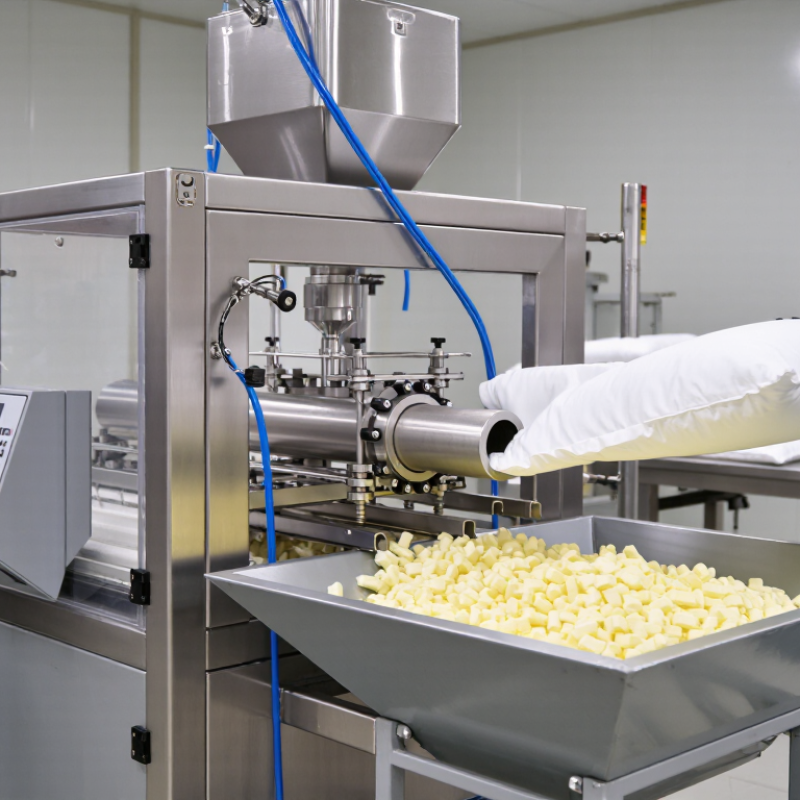
A memory foam core pillow filling machine loads a pillow shell with cut or shredded memory foam. It is a textile-converting machine, not a foam-making system. Typically, an operator feeds foam pieces into a hopper; a blower or conveyor moves them through a filling tube into the cover. A scale may help control the fill weight. The purpose is consistent filling with less manual handling, while preserving the pillow’s intended loft and feel. Too much foam can make the pillow stiff. Too little may leave corners flat.
Equipment varies. Some lines use vacuum extraction or dust-control features, while others rely on simpler mechanical feeding. The U.S. Bureau of Labor Statistics’ Occupational Outlook Handbook projects 13% employment growth for industrial machinery mechanics from 2023 to 2033. That figure is not pillow-machine-specific, but it underscores the value of trained maintenance for production equipment. Small issues matter: a clogged tube or uneven foam feed can alter pillow shape. The process still needs judgment.
Tips: Match the machine’s feed opening to the foam-piece size, and check fill weight regularly. Keep the filling area clean; loose foam can gather around the hopper. Don’t assume a faster feed rate means better pillows. A short test run can reveal uneven distribution before a full batch is packed.
| Dimension | Description | Purpose or Practical Consideration |
|---|---|---|
| Definition | A pillow-filling machine that meters and transfers shredded or granulated memory foam into a pillow cover or other suitable casing. | It automates the filling stage for pillows made with loose foam pieces. It is different from equipment used to mold or insert a single solid foam core. |
| Primary purpose | To place a controlled quantity of foam fill inside a pillow shell and help achieve a consistent fill level. | Consistent dosing supports repeatable pillow weight and firmness, subject to the foam type, pillow design, and filling settings. |
| Typical material | Shredded or granulated viscoelastic polyurethane foam, commonly called memory foam. | Piece size, density, shape, and static behavior affect flow through the machine and the feel of the finished pillow. |
| Typical process | Foam is loaded into a hopper, conveyed or moved toward a filling outlet, and directed through an opening in the pillow shell. | The shell may be held manually or by a fixture. The exact sequence depends on the machine and production setup. |
| Common machine elements | Depending on the design, a system may include a hopper, feed mechanism, hose or nozzle, controls, and a support or clamping fixture. | These elements help store, move, meter, and direct the foam; not every machine uses the same configuration. |
| Filling control | Fill quantity may be controlled by weighing, timed operation, or another metering method. | Weighing can help verify target mass, while timed filling depends on stable material flow and suitable setup. |
| Suitable pillow types | Pillows designed to be filled with loose foam pieces, including some adjustable-fill pillows. | Compatibility depends on the shell opening, seam construction, fill material, and the machine’s feed path. |
| Quality checks | Common checks include filled pillow weight, fill distribution, closure integrity, and visible foam residue around the opening. | Inspection helps identify underfilling, uneven distribution, or material loss before the product is packed. |
| Operational considerations | Foam pieces can vary in size and may bridge, settle, or generate loose particles during handling. | Keep the feed path suitable for the foam, clean the work area regularly, and follow equipment and material safety instructions. |
| Production rate | Output varies with fill weight, foam flow, operator handling, pillow design, and the level of automation. | There is no single representative rate for all machines; confirm performance using the intended foam and pillow shell. |
Note: Machine capabilities and filling methods vary by model. Verify material compatibility, operating instructions, and applicable workplace safety requirements before production.