
2026 How to Optimize Aeration Process in Wastewater Treatment?

The Aeration Process In Wastewater Treatment is crucial for effective water purification. According to the Water Environment Federation, optimizing this process can enhance removal efficiencies by up to 30%. This statistic emphasizes the importance of innovation in aeration technology. Dr. Lisa Thompson, an expert in environmental engineering, states, "Proper aeration can significantly influence both performance and operational costs."

Aeration involves introducing air into wastewater to promote biological treatment. However, many facilities struggle with inefficiencies. Factors like energy consumption and maintenance can hinder optimal performance. Investing in advanced aeration systems and monitoring technologies can alleviate these issues. Utilizing real-time data aids in fine-tuning the aeration process in wastewater treatment.

Despite technological advancements, anticipated challenges remain. Facilities may face variability in influent characteristics. Not every solution is universally effective. Ongoing research is essential. Continuous improvement in aeration processes ensures more sustainable wastewater management practices. With growing global water scarcity, optimizing the aeration process in wastewater treatment is more crucial than ever.
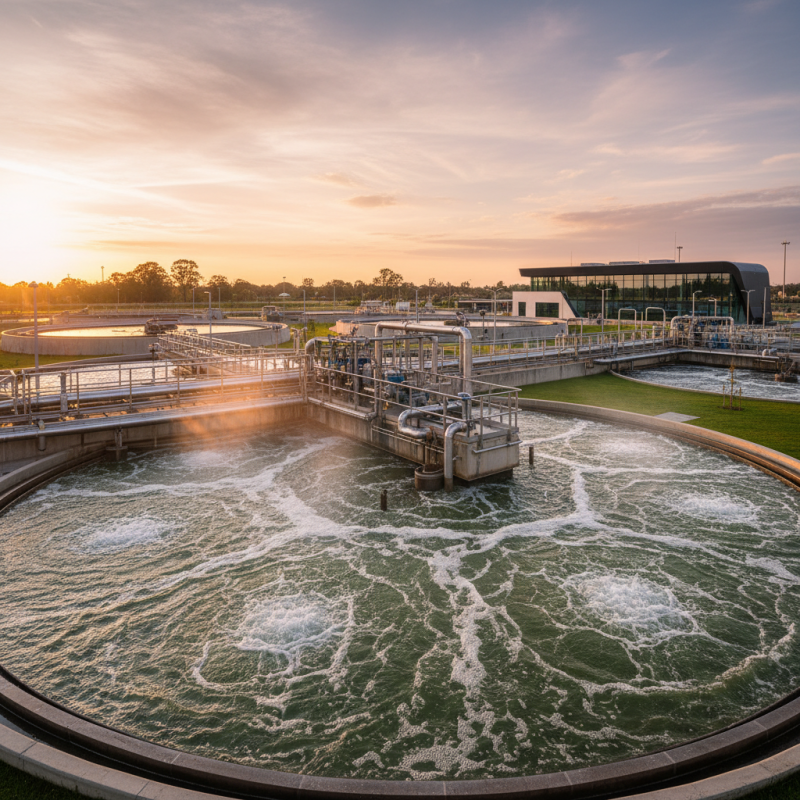
2026 How to Optimize Aeration Process in Wastewater Treatment?

Understanding the Importance of Aeration in Wastewater Treatment

Aeration plays a crucial role in wastewater treatment. It introduces oxygen into the water, supporting the microbial processes that break down organic pollutants. Without proper aeration, the efficiency of these processes decreases significantly. As bacteria thrive in oxygen-rich environments, adequate aeration can lead to more effective treatment outcomes.


Here are some tips to optimize the aeration process. Monitor the dissolved oxygen levels regularly. This helps ensure that microorganisms receive the oxygen they need. Employing fine bubble diffusers can enhance oxygen transfer efficiency. They create smaller bubbles that increase the surface area for gas exchange. Additionally, keep an eye on the energy usage of aeration equipment. High energy consumption might indicate inefficiencies in the system.


Another consideration is the variability in wastewater characteristics. Seasonal changes can affect the characteristics of influent. Thus, flexibility in aeration strategies is essential. Customize aeration rates based on real-time data and treatment needs. This can make a significant difference in treatment performance and operational costs. Balancing efficiency with effectiveness requires ongoing evaluation and adjustment.

Types of Aeration Processes Used in Wastewater Treatment

Aeration is a critical process in wastewater treatment, used to enhance biological degradation of organic pollutants. Various types of aeration processes exist, each with specific applications and efficiencies. The two primary methods are activated sludge processes and fixed film systems. The activated sludge process accounts for nearly 60% of wastewater treatment facilities in the U.S., as it effectively increases the microbial action needed to break down waste.

Another common method is the trickling filter, where wastewater flows over a substrate with biofilm. It’s suitable for smaller plants and provides simpler maintenance. According to industry reports, trickling filters can reduce biochemical oxygen demand (BOD) by up to 85%, making them a reliable choice.

Tips: Regularly monitor the dissolved oxygen levels. This ensures optimal microbial activity. Consider experimenting with hybrid systems to leverage the strengths of different aeration processes. Efficiency can often be improved without significant capital investment. Lastly, review past operational data to identify areas needing improvement. Adjustments based on historical performance can lead to better process optimization.

Factors Affecting Aeration Efficiency in Treatment Systems

Aeration is crucial in wastewater treatment. However, many factors impact aeration efficiency. Understanding these factors can help optimize the process. The design of the aeration system plays a significant role. Well-designed systems enhance oxygen transfer rates. Poorly designed systems can lead to inefficient treatment and increased costs.

One important factor is the type of aeration method used. Surface aerators, diffused aerators, and mechanical mixers each have unique benefits. The method chosen should suit the specific wastewater characteristics. For instance, highly viscous waste may require different aeration approaches. Temperature also affects oxygen solubility. Warmer water holds less oxygen, complicating the aeration process.

Another aspect involves the operational parameters. The mixing intensity, air flow rate, and retention time can influence efficiency. Balancing these parameters is often challenging. Systems may require adjustments over time due to varying waste composition. Continuous monitoring and adaptive management are essential to maintain optimal conditions. In practice, realizing these complexities in aeration can take time and experience.

Factors Affecting Aeration Efficiency in Wastewater Treatment

Techniques for Monitoring and Controlling Aeration Performance

Aeration is a critical part of wastewater treatment. Optimizing this process can lead to improved efficiency and better water quality. Monitoring and controlling aeration performance is essential for achieving these goals.

One effective technique is to use dissolved oxygen (DO) probes. These devices measure the oxygen levels in real-time. When DO levels drop, adjustments can be made immediately. This helps maintain the right balance for microbial activity. Additionally, consider using data analytics to track performance trends over time.

Tips: Regular calibration of DO sensors is crucial. It ensures accurate readings and consistent performance. Keep an eye on external factors like temperature. Changes can impact microbial needs, affecting overall efficiency.

Implementing automated control systems can enhance performance. They respond to real-time data, adjusting airflow based on demand. This reduces energy consumption and improves treatment effectiveness. However, sometimes these systems can fail. Regular maintenance is necessary to check for malfunctions, which can lead to unoptimized aeration.

Tips: Document all maintenance procedures. This record can help identify recurring issues. Investing in staff training is beneficial. Experienced personnel can quickly troubleshoot problems that arise in aeration systems.

Innovative Technologies to Enhance Aeration in Wastewater Treatment

Aeration is crucial in wastewater treatment. Innovative technologies are emerging to optimize this process. These advancements enhance oxygen transfer efficiency. By increasing the biological activity, they improve overall treatment effectiveness.

One promising technology is fine bubble aeration. This method uses small air bubbles to increase surface area for oxygen transfer. Another useful technique is the use of aeration tanks with variable speed blowers. Adjusting air flow according to demand can save energy and reduce operational costs.

Tips for optimization:

  1. Monitor your system regularly. Understanding aeration needs can prevent overspending on energy.
  2. Consider advanced control systems. These systems adjust aeration in real-time based on water quality.
  3. Explore energy-efficient designs. Review the layout of aeration tanks to minimize energy loss.

While these advancements are exciting, challenges remain. Not every facility can implement new technologies smoothly. Some staff may need training. Reflect on your current systems and make gradual adjustments. Continuous improvement is key in wastewater treatment.

Our dedicated sales and support staff are here to help you identify the ideal pump solution for your needs.

Contact Us