
A Sink Pop Up Drain is a fascinating plumbing feature. It offers both convenience and functionality. This mechanism allows users to easily control water flow in their sinks. By simply pushing a lever or a button, the drain opens or closes, making tasks like washing dishes easier.
Understanding how a Sink Pop Up Drain works is beneficial for homeowners. These drains usually consist of a few essential components. The spring-loaded mechanism plays a crucial role. When you apply pressure, it lifts the stopper to let water flow away. This design not only prevents clogs but also enhances the aesthetic appeal of your sink.
Sometimes, issues can arise with Sink Pop Up Drains. Regular maintenance is necessary for optimal performance. Debris can build up, leading to potential leaks or difficulty in operation. Reflecting on these challenges can help users appreciate the simplicity of such a system. Knowing how to troubleshoot can save time and money.
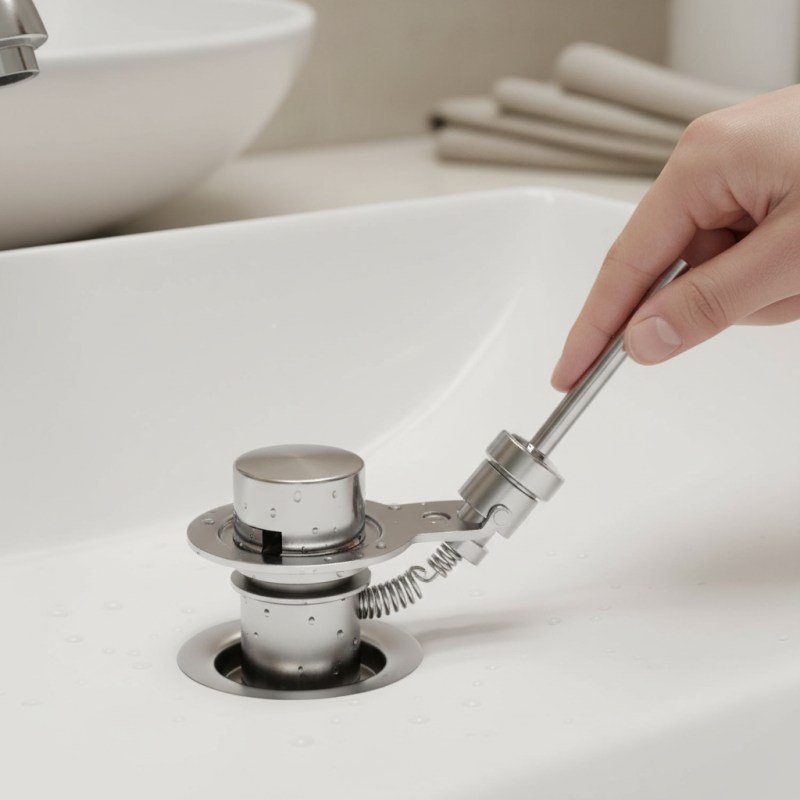
A sink pop-up drain is a common plumbing feature found in many bathrooms and kitchens. It allows users to effortlessly control water flow in a sink. The key component of this system is a mechanism that opens and closes the drain hole with ease. This mechanism usually consists of a lift rod, a clevis strap, and a stopper.
When you pull the lift rod, it raises the stopper, allowing water to flow freely down the drain. Pushing it down closes the drain, trapping water in the sink. This design is both practical and intuitive, making it user-friendly. However, maintenance can sometimes be an issue. Components can wear out, leading to leaks or difficulties in operation. Regular checks can help identify problems early.
The effectiveness of a pop-up drain also reflects its quality. While many may function well, some might need adjustments. It’s crucial to be aware of how these components interact. Observing their movements can help in troubleshooting. Understanding this system not only aids in proper usage but also enhances reliability in everyday tasks.
A sink pop-up drain is a common plumbing feature found in many modern sinks. It functions through a simple yet effective mechanism. Typically, it comprises a stopper connected to a lever system. When the lever is pulled or pushed, it raises or lowers the stopper, allowing water to flow freely or be retained in the basin.
The operation involves a few parts: the drain assembly, the stopper, and the lift rod. When you pull the lift rod, the attached chain or rod pulls up the stopper. This action is essential for controlling water flow. If the assembly is not aligned or properly installed, it may lead to water leaks. Regular maintenance is needed to ensure smooth operation. Sometimes, the linkage can become loose, affecting performance. Noticing the sink's drainage efficiency can provide insight into necessary adjustments.
Exploring alternatives can also be beneficial. Some users prefer manual stoppers or push-button drains. Each type has distinct pros and cons. Weighing the options allows for informed decisions. Understanding the mechanics behind a sink pop-up drain enhances both functionality and user experience. Consider the environmental impact as well. Efficient water usage should always be a priority.
Sink pop-up drains are essential components in many modern bathrooms and kitchens. They provide a convenient way to manage water flow without the hassle of manual intervention. In terms of types, there are several common variations available on the market. The most prevalent are the lift rod, push-button, and lever-operated drains. Each type has unique mechanisms but ultimately serves the same function of sealing the drain to hold water in the sink.
The lift rod is often favored for its simplicity and ease of use. Users can easily pull a rod connected to the drain to open or close it. According to industry reports, this type makes up nearly 45% of the sink pop-up drains sold. On the other hand, push-button drains offer a sleek, modern aesthetic. They are gaining popularity, with about 30% market share, particularly in contemporary designs. The lever-operated option, which resembles a traditional setup, remains classic. It lacks some modern features but continues to be a reliable choice, representing 25% of sales.
Consumers sometimes overlook the importance of proper installation. A poorly installed pop-up drain can lead to leaks. Reports show that as many as 20% of all plumbing complaints arise from issues related to drain installation. Taking time to assess the quality and installation methods can avoid these issues. Ensuring that you choose the right type for your needs and follow installation guidelines can markedly improve functionality and lifespan.
| Type | Material | Features | Installation Ease | Common Use |
|---|---|---|---|---|
| Lift and Turn | Brass | Simple operation, compact design | Moderate | Bathroom sinks |
| Pop Up | Stainless Steel | Effortless push for opening and closing | Easy | Kitchen sinks |
| Toe Tap | Plastic | Foot-operated mechanism | Very Easy | Laundry or utility sinks |
| Pop-Up with Overflow | Brass and PVC | Includes overflow prevention | Moderate | Bathroom sinks with overflow |
| Flip Top | Aluminum | Elegant design, stylish closure | Easy | Modern bathroom sinks |
Installing a sink pop-up drain can be straightforward, but it requires attention. Start by gathering tools: a wrench, silicone sealant, and a bucket. Disconnect the old drain. Place the bucket beneath the sink to catch any water. It can be messy, but this step is necessary.
Next, prepare the new pop-up drain for installation. Insert the drain body into the sink hole. Ensure a tight fit, sealing it with silicone to prevent leaks. It's essential to align the pivot rod with the drain lever. Misalignment can lead to future issues, causing frustration.
Tighten all fittings securely. Test the mechanism by pushing the lever. The pop-up should open and close smoothly. If it doesn’t, revisit the installation steps. Rushing can often lead to mistakes. Proper installation enhances functionality and avoids unnecessary repairs. Take your time for better results.
Maintaining a sink pop-up drain is essential for its optimal performance. Regular maintenance can prevent many common issues, ensuring that the drainage system works properly. According to the Plumbing Manufacturers International, about 50% of drain issues arise from blockages due to debris build-up. This highlights the importance of consistency in maintenance practices.
One effective tip is to clean the sink drain regularly. Use a mixture of baking soda and vinegar to break down any build-up. This method is eco-friendly and efficient. It can help avoid clogs, which may lead to costly repairs. Additionally, inspect the pop-up mechanism occasionally. A rusty or damaged mechanism may hinder its function.
For best results, consider installing a drain strainer. This can catch larger particles before they enter the drain. Industry studies show that using strainers can reduce clog incidents by over 30%. Another handy practice is to run hot water through the drain after heavy use. This can dissolve soap residue and keep the drain clear. Maintaining your sink pop-up drain may seem simple. Yet, the benefits are significant for long-term functionality.
We are here to help you with all your queries and concerns, just write to us using the below form and we will get back to you as soon as we can.