Smart Home PCBA Buying Guide for Global Buyers 2026?
In the ever-evolving world of technology, smart home solutions are increasingly popular. Smart Home Pcba (Printed Circuit Board Assembly) plays a vital role in this trend. As more consumers seek to automate their living spaces, the demand for advanced PCBA components is growing. Buyers must navigate a complex market with various options and providers.
Understanding the nuances of Smart Home PCBA is essential for making informed purchasing decisions. Leading manufacturers offer innovative designs, but not all products are equal. Buyers should consider reliability, performance, and compatibility before committing. The selection process can feel overwhelming. Flaws in decision-making could lead to suboptimal results or increased costs.
This guide aims to simplify the buying journey for global buyers in 2026. By highlighting key considerations, it emphasizes the importance of expertise and informed choices. Embracing smart home technology offers significant benefits, but choosing the right PCBA is crucial for success. Buyers should reflect on their needs and stay updated on market trends as they venture into this dynamic field.
Understanding PCBA in Smart Home Technology: Basics and Benefits
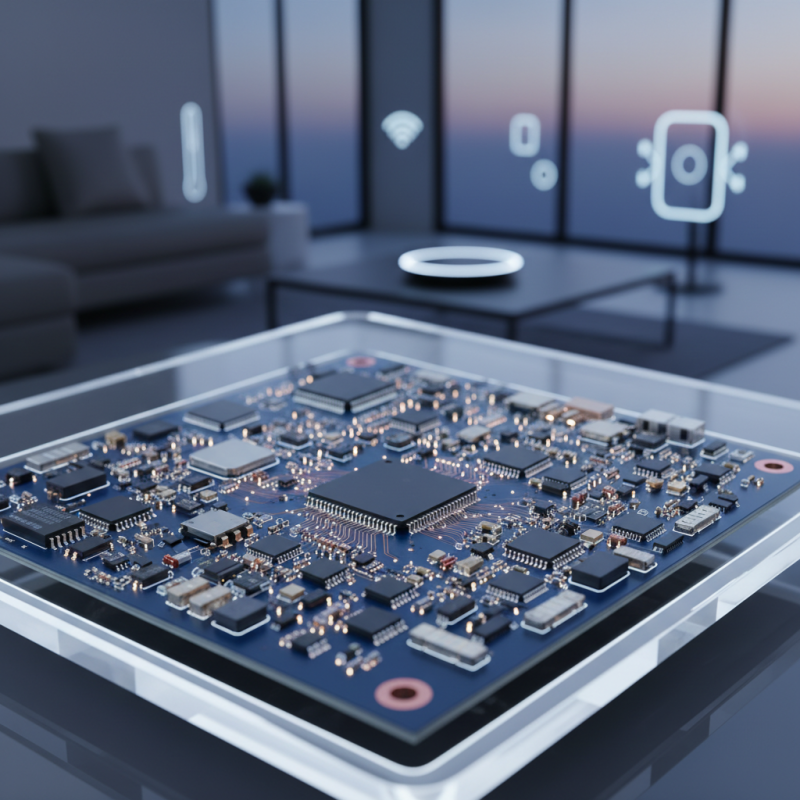
Smart home technology is revolutionizing our daily lives. At the heart of this innovation is the Printed Circuit Board Assembly (PCBA). Understanding PCBA is crucial for anyone interested in smart home devices. It essentially serves as the brain of these products, connecting various components for seamless operation.
PCBA in smart homes provides countless benefits. It enhances functionality, reduces energy consumption, and improves overall user experience. A well-designed PCBA can enable devices to communicate effectively, allowing for smart automation. This means users can control lighting, heating, and security systems from their smartphones, improving convenience and safety.
Tip: When choosing PCBAs, look for those with a robust design and excellent thermal management. Poor designs can lead to overheating and malfunctions.
Another key aspect is the customization of PCBAs. Every smart home device has unique requirements. Not all PCBAs are built the same. A cookie-cutter approach might undermine performance. By collaborating with experienced manufacturers, you can ensure the PCBA meets your specific needs.
Tip: Confirm the manufacturer's credentials and past projects. This helps ensure you’re partnering with an industry expert who understands current trends.
Key Factors to Consider When Purchasing Smart Home PCBA
When purchasing a smart home PCBA (Printed Circuit Board Assembly), buyers should weigh several critical factors. Quality is paramount. A reliable PCBA ensures consistent device performance. According to a report by MarketersMedia, a staggering 70% of smart home devices fail due to poor-quality components. This statistic highlights the necessity for meticulous sourcing of PCBA.
Cost also plays a pivotal role in decision-making. While it may be tempting to opt for lower-priced options, this approach can lead to reduced longevity and increased failures. A 2023 TechInsights study found that investing an additional 15% in higher-quality PCBA can lead to a 50% drop in warranty claims. Buyers must carefully evaluate the long-term financial implications of their choice.
Moreover, communication with suppliers is crucial. Clear dialogue ensures technical specifications align with project goals. Misunderstandings can result in significant delays and cost overruns. A report from PCB Design Magazine suggests that successful partnerships are built on transparent negotiation and ongoing collaboration. This reflects the importance of trust in supply chains and highlights areas for improvement in buyer-supplier interactions.
Evaluating Global Suppliers for Quality and Compliance
When purchasing smart home PCBA (Printed Circuit Board Assembly), global buyers must prioritize supplier evaluation. Quality assurance is critical in ensuring that the PCBA meets performance standards. Look for suppliers that adhere to international quality certifications. These certifications provide an insight into their manufacturing processes and reliability.
Compliance is another vital factor. Regulatory standards vary by region, and ensuring your supplier is compliant can save you from future complications. Inquire about their testing procedures. Are they performing regular inspections? Documentation of these processes is essential for transparency. Not all suppliers will be forthcoming, so be prepared to ask probing questions.
Consider the suppliers' experience in the smart home sector. A supplier with a strong reputation and extensive experience can navigate the complexities of smart home technology better. However, beware of the risk of overconfidence. Some may present their history as flawless, but delving deeper can reveal inconsistencies. Always cross-check references and ask for case studies. The right supplier will be open to discussions and demonstrate a commitment to quality and compliance.
Cost Analysis: Budgeting for Smart Home PCBA Purchases
When budgeting for smart home PCBA purchases in 2026, it’s essential to consider material and production costs. Recent reports indicate that the global electronic components market is projected to reach approximately $500 billion by 2026. This growth reflects the increasing demand for smart devices. Yet, significant fluctuations in raw material prices can impact overall budget planning.
Estimating the cost of a smart home PCBA involves various factors including design complexity, component type, and manufacturing volume. For example, a basic smart home PCBA may cost around $10 to $30, while advanced versions, featuring Wi-Fi and Bluetooth capabilities, could range from $30 to $80 or more. Buyers should also account for potential hidden costs, such as testing and compliance. Industry experts suggest that companies allocate an additional 15-20% of their initial PCBA budget for unforeseen expenses.
Furthermore, as supply chain dynamics evolve, manufacturers may need to rethink their procurement strategies. Delays in component availability can lead to higher prices, or even design changes to accommodate alternative parts. Such changes may affect product timelines. Therefore, remaining flexible in negotiations and understanding market trends are crucial. Understanding these complexities can aid buyers in making informed decisions and managing their budgets effectively.
Future Trends in Smart Home PCBA Development and Adoption
In 2026, the demand for smart home PCBAs will surge significantly. As technology advances, these components are becoming critical for smart appliances. Enhanced connectivity features will dominate the landscape. Homeowners will prioritize devices that integrate seamlessly with IoT ecosystems.
Tips: Research compatibility with existing devices. Ensure the PCBA supports diverse connectivity protocols.
Moreover, sustainability will be a major factor in development. Manufacturers may shift towards eco-friendly materials. Consumers are becoming increasingly aware of environmental impacts. This could lead to a more significant push for energy-efficient designs. However, not every manufacturer may prioritize this shift, leading to a mixed market.
Tips: Look for certifications that indicate sustainability. Evaluate the lifecycle of the product before making a decision.
Quality control will also be paramount. The need for reliability in smart homes cannot be overstated. Flaws in PCBAs can lead to malfunctioning devices. Therefore, potential buyers should scrutinize production practices and testing methods diligently. Some manufacturers might take shortcuts, which could affect performance.
Tips: Ask for samples before bulk purchases. Testing can reveal potential issues early.