7 Tips for Buying a Barometric Chamber for Sale

A Barometric Chamber For Sale can look impressive in a product listing, but appearance tells you little about how well it fits your work. These chambers can simulate reduced atmospheric pressure for testing, research, or product evaluation. The right choice depends on your required pressure range, usable chamber volume, and test conditions. A compact unit may suit small components, while larger samples need more space and carefully planned loading.

Start with the intended application. Ask the supplier for the operating range, control accuracy, pump details, and relevant performance records. Look closely. A clear specification sheet should explain how the chamber reaches and maintains its target conditions. Check the door seal, viewing window, fittings, and control interface; these details affect everyday use. Confirm that the chamber’s dimensions include enough room for fixtures, cables, and airflow around the sample.

Purchase decisions also involve maintenance and support. Ask how often calibration is recommended, whether replacement seals are available, and who handles service. If you are considering a used chamber, request its service history and inspect signs of wear. A low price can be tempting. Still, an unclear warranty or missing documentation may cost more later. I would not rely on a seller’s headline claims alone; published specifications and written answers deserve closer attention. The seven tips that follow will help you compare options methodically, spot gaps in a listing, and choose equipment that suits your actual testing needs. No checklist replaces a careful technical review, but it can make the conversation more precise.
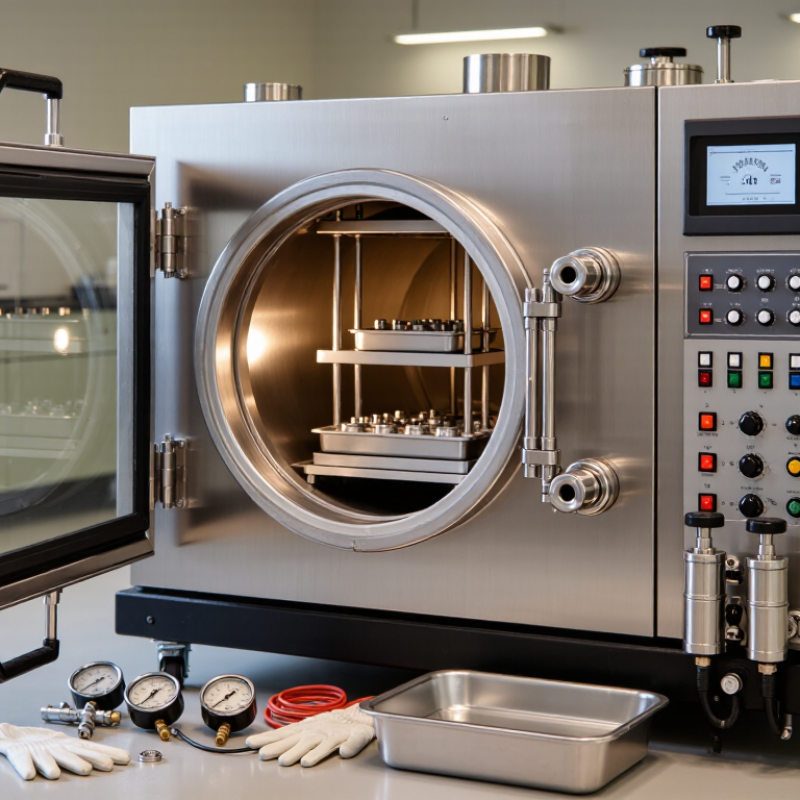
7 Tips for Buying a Barometric Chamber for Sale

Define the Chamber’s Intended Use and Required Pressure Range

Before comparing a barometric chamber for sale, define its intended use: weather-station calibration, altitude simulation, or component testing. Each task needs a different pressure profile, not just a different chamber size. Specify whether measurements are absolute, gauge, or differential; confusing them can shift the target by ambient pressure. That distinction matters.

The World Meteorological Organization’s Guide to Instruments and Methods of Observation cites 1,013.25 hPa as standard atmospheric pressure. Treat this as a reference point, not your required operating limit. Document the minimum and maximum pressure, test set points, allowable error, ramp rate, and hold time. Include ambient pressure if the chamber reports gauge pressure. A sensor tested near sea-level conditions may need a narrow band around its normal operating point, while altitude testing may require much lower absolute pressure. The WMO reference alone cannot define your range. Record the test article’s volume and port layout, too; leaks or large volumes can affect pressure stability. I would also question any specification that lists a broad range but omits accuracy at your actual test points.

7 Tips for Buying a Barometric Chamber for Sale

Define the Chamber’s Intended Use and Required Pressure Range

For altitude simulation, use the target altitude to estimate the required absolute-pressure range. These approximate values follow the International Standard Atmosphere for altitudes from 0 to 10 km. Confirm the test profile, accuracy, and operating limits needed for your application before selecting a chamber.

Check Measurement Accuracy, Calibration Records, and Control Systems

When evaluating a barometric chamber for sale, start with the measurement chain, not just the display. Check the sensor’s specified range, resolution, and accuracy across the pressures you will use. Ask whether measurement uncertainty is stated, and compare it with your test tolerance. A neat screen reading is not proof of a reliable measurement. Request calibration records showing the instrument ID, date, reference standards, results, and any adjustments. Records should cover the chamber’s working range, not only one convenient point. Small details matter.

Then examine how pressure is controlled. Ask for stability and uniformity data under representative loads; an empty chamber may behave differently once fixtures are installed. Check whether the controller logs setpoint and actual pressure, and whether alarms flag drift or sensor faults. Confirm that calibration certificates are current and traceable to recognized standards. The exact traceability route may vary, so have the supplier explain it plainly. I would also ask how often recalibration is recommended and what triggers service. That question is easy to overlook. Leave time to verify records against the serial number and the chamber’s configuration.

Inspect Chamber Materials, Seals, Condition, and Safety Features

When evaluating a barometric chamber for sale, inspect the shell under bright, even light. Look for corrosion around welds, dents near access points, and flaking coatings. These details can reveal rough storage or repeated use. Ask what the chamber is made from and whether that material suits your test environment. Moisture, cleaning agents, and temperature changes can affect long-term performance.

Check the door seal along its full length. It should sit evenly, without cracks, flattened sections, or sticky residue. If possible, ask for a leak-test record and details about recent seal replacement. A seal may look acceptable but still fail under operating conditions. Small flaws matter. Inspect hinges, latches, viewing windows, and fittings for looseness or clouding. Request maintenance records, not just a verbal assurance.

Safety features deserve the same attention as the chamber body. Confirm that pressure and vacuum limits are documented, and that gauges, alarms, and relief devices are present and serviceable. Ask whether interlocks prevent opening while the chamber is operating. Verify that manuals and inspection records match the unit’s configuration. A clean exterior is reassuring, but it proves little about hidden wear. If records are incomplete, pause and arrange an inspection by a qualified technician before purchase.

Compare New and Used Options Against Your Budget and Operating Costs

A new barometric chamber usually costs more upfront, but it may include current calibration records, a warranty, and clearer service support. Those details matter when test schedules are tight. A used unit can fit a smaller budget, yet its purchase price tells only part of the story. Ask how it was operated, whether its pressure sensors were calibrated recently, and if replacement parts remain available. A clean exterior proves little.

Request maintenance records and a demonstration across the pressure range you expect to use. Check door seals, control response, and the time required to reach and hold target conditions. If the seller cannot show stable readings, budget for an independent inspection. That adds cost. It may still prevent a poor purchase.

Compare the full cost over several years, not just the quote. Include delivery, installation, calibration, utilities, routine maintenance, and likely repairs. A used chamber needing new seals or sensor work may erase its initial savings. A newer model may also use less energy, though actual consumption depends on capacity and operating hours. Put both options in a simple spreadsheet, using realistic service estimates. Some figures will be guesses; label them as such, then test how the decision changes if repairs arrive sooner than expected.

Verify Seller Credentials, Warranty Coverage, and After-Sales Support

Before buying a barometric chamber, verify who is responsible for the sale and service. Ask for the seller’s legal business name, physical address, and written proof that they are authorized to inspect or supply the equipment. Request references from customers using chambers for similar pressure ranges and applications. A dated inspection report, service history, and calibration records can help you judge the unit’s condition. Paperwork matters. Check that the chamber’s model, serial number, and stated specifications match across the documents.

Read the warranty before discussing price. Confirm its duration and whether it covers parts, labor, shipping, calibration, and on-site repairs. Ask which parts are excluded and what could void coverage; vague promises are not enough. Ask for specifics. After-sales support matters when a controller fails or a pressure reading seems unstable. Find out how quickly support typically responds, whether technicians can troubleshoot remotely, and how replacement parts are sourced. Get the answers in writing, including any service fees. It is easy to focus on the purchase price and overlook the time needed to arrange repairs. That is a fair mistake, but one worth reconsidering before the chamber arrives.

7 Tips for Buying a Barometric Chamber for Sale - Verify Seller Credentials, Warranty Coverage, and After-Sales Support

Tip What to Check Evidence to Request Questions to Ask
1. Verify seller credentials Confirm the seller has relevant experience supplying, installing, or servicing pressure and environmental test equipment. Business registration details, service capabilities, references for comparable installations, and the name of the party responsible for technical support. Who will handle commissioning and repairs? Can you provide references for chambers with a similar pressure range and use?
2. Match the pressure range to your test plan Check minimum and maximum absolute pressure, operating limits, pressure-change rates, and whether the specified range applies under the proposed operating conditions. A written specification showing the pressure range, control tolerance, measurement method, and any limits related to temperature or chamber loading. Can the chamber achieve and hold each required pressure setpoint with the test load installed?
3. Confirm usable size and test conditions Compare usable internal dimensions and load capacity with the parts, fixtures, cables, and airflow clearance needed for testing. Specify whether temperature or humidity control is required. Dimensioned drawings, load limits, port and feedthrough details, and operating specifications for any combined temperature or humidity functions. Are the published dimensions usable workspace dimensions? Will the intended load affect control performance?
4. Review calibration and verification records Check how pressure sensors and control instruments are calibrated, what measurement points are covered, and whether calibration is traceable to recognized national or international standards. A sample calibration certificate, sensor details, calibration date, measurement uncertainty, and information about the calibration provider. Where accreditation is required, verify its scope covers the relevant measurement. Which instruments are included, and what calibration documentation will be supplied at delivery?
5. Get warranty coverage in writing Review the warranty term, start date, covered components, labor and travel provisions, response process, and exclusions. Check whether installation or maintenance conditions affect coverage. The complete warranty document and a written list of any separately covered items, consumables, or optional service agreements. Who pays for parts, labor, shipping, and on-site visits if a covered fault occurs?
6. Evaluate after-sales support and spare parts Confirm support hours, technical contact options, service location, availability of trained technicians, and expected access to commonly needed replacement parts. A support and escalation procedure, service coverage details, recommended spare-parts list, and written response-time commitments if offered. What support is available after the warranty ends, and how are urgent service requests handled?
7. Check installation, safety, and acceptance testing Plan for site utilities, floor loading, ventilation, access, operator training, and safe operating procedures. Agree on measurable acceptance criteria before purchase. Installation requirements, operating and maintenance manuals, safety documentation, training scope, and an acceptance-test protocol with recorded results. What tests demonstrate the chamber meets the agreed specifications, and what happens if it does not pass?

Our dedicated sales and support staff are here to help you identify the ideal pump solution for your needs.

Contact Us