
Choosing the right Electric Light Van can significantly impact your business. According to industry expert John Smith, "The right van can enhance efficiency and lower operational costs."
When selecting an Electric Light Van, consider your specific needs. What size do you require? Evaluate your daily routes and load capacity. Not all vans suit every operation, and that’s where the details matter.
Additionally, you must factor in the long-term benefits. Charging infrastructure, battery life, and maintenance costs are crucial. Some choices may seem attractive upfront but could lead to challenges later. Always seek information from credible sources and test options if possible. Making an informed decision is key to optimizing your fleet.
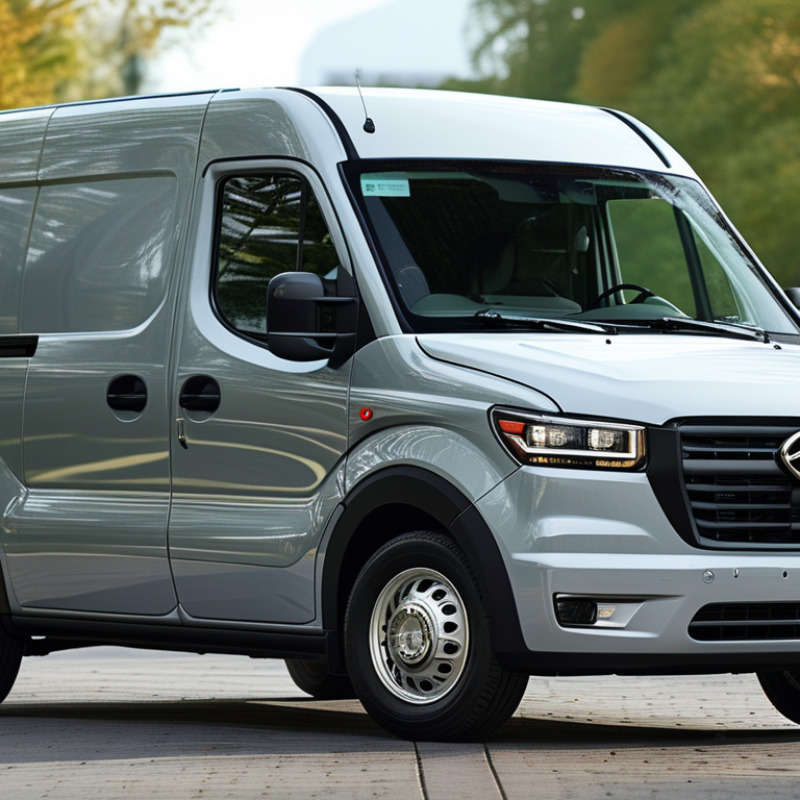
When considering an electric light van, understanding the variety of options is crucial. The market offers a range of models designed for different needs. For instance, some vans are built for urban deliveries, while others cater to long-distance travel. According to a recent report by the International Energy Agency, electric vehicles, including light vans, are projected to account for 30% of all vehicle sales by 2030. This shift is driven by the need for sustainable transport solutions.
Electric light vans typically feature distinct battery capacities. A common range is between 40kWh to 100kWh, impacting their driving distance. For example, vans with a 75kWh battery can cover about 200 miles on a single charge. However, real-world conditions often present challenges. Factors such as load weight, driving style, and terrain can significantly impact performance. Many users find unexpected limitations, prompting a reassessment of their needs.
Another consideration is charging infrastructure. Some regions offer extensive networks, while others lack essential facilities. According to a survey by the European Automobile Manufacturers Association, over 50% of potential electric van buyers express concerns about range and charging availability. This highlights the importance of understanding local resources before making a decision. Assessing these elements can lead to a more informed and suitable choice for your electric light van needs.
When selecting the right electric light van, it’s crucial to consider various factors that directly impact your needs. Assessing the van's range is essential. How far do you need to travel on a single charge? Most electric vans have a limited range, and running out of battery mid-route can be frustrating. Think about your daily mileage and choose a model that meets or exceeds it. Battery capacity is another key element. A larger battery might cost more but can offer peace of mind, especially for long journeys.
Cargo space also plays a vital role. Ensure that the van accommodates your goods effectively. Measure the dimensions of your cargo and compare them with the internal capacity of the van. A van too small can lead to complications. Weight limits are just as important. Overloading can affect the vehicle’s performance and safety. Check the gross vehicle weight rating (GVWR) before finalizing your choice.
Charging infrastructure should not be overlooked. Is there adequate availability of charging stations along your route? A lack of charging options can lead to inconvenience and delays. Also, consider the charging time. Some electric vans take longer to recharge than others. An efficient charging solution can enhance your overall experience. Balancing these aspects is not always straightforward, and it requires careful thought. Adjust your priorities based on real-world applicability. Each choice made impacts your experience, so take the time to reflect and analyze.
When choosing an electric light van, battery life and charging options are critical factors. A reliable battery can mean the difference between a successful day of work and a frustrating experience. Look for vans with a minimum range that meets your daily driving needs. Consider your typical routes and the potential for varied terrain. More battery capacity often results in a heavier van, impacting your load capacity.
Charging options also play a significant role. Fast charging stations can reduce downtime significantly. Think about the availability of these stations in your region. Some vans offer home charging solutions that can be convenient but may require electrical upgrades. Evaluating the charging speed is essential if you often work on a tight schedule. Keep in mind that charging at home overnight is usually more economical but requires discipline in planning.
Remember, not every battery is created equal. Real-world performance may differ from what manufacturers claim. Conducting independent research and checking user reviews can provide insights into battery longevity and efficiency. It’s important to be aware of the potential for battery degradation over time. A good warranty can offer peace of mind but be wary of hidden terms. The learning curve with electric vans requires active engagement but is rewarding for those who invest the time.
When selecting the right electric light van, assessing load capacity and cargo space is crucial. Many businesses overlook this aspect. According to industry reports, an ideal electric van should accommodate various loads ranging from a few hundred kilograms to several tons. This versatility can enhance operational efficiency.
Tip: Evaluate your most common cargo types. Are you transporting large items or smaller, bulkier loads? Knowing this can guide your choice of van size and configuration.
Consider that not every van provides the same cargo space. Data from industry research suggests that electric vans can vary significantly in interior dimensions. Some vans may only offer 1,200 liters of cargo space, while others can provide over 2,000 liters. This discrepancy can impact daily operations.
Tip: Measure your intended cargo beforehand. Ensure that the dimensions align with the van's specifications. A van may appear spacious, but actual usability counts. Remember to account for any auxiliary equipment or shelving that might reduce available space.
| Model | Load Capacity (kg) | Cargo Space (m³) | Range (km) | Charging Time (hours) |
|---|---|---|---|---|
| Electric Van A | 1000 | 8 | 120 | 5 |
| Electric Van B | 1200 | 10 | 150 | 4 |
| Electric Van C | 900 | 6 | 100 | 6 |
| Electric Van D | 1100 | 9 | 130 | 5 |
| Electric Van E | 950 | 7 | 110 | 7 |
When considering the cost-effectiveness of electric light vans, total cost of ownership (TCO) becomes crucial. According to the “Electric Vehicle Market Study 2023,” electric vans typically have lower operating costs. Electricity costs average $0.12 per kWh, compared to diesel at $3.50 per gallon. Over time, savings on fuel can exceed $4,000 annually. Maintenance also tends to be cheaper for electric vehicles, as they have fewer moving parts.
Government incentives further enhance the financial appeal. Many regions offer significant tax credits or rebates. The “Incentives and Policies for Electric Vehicle Adoption” report highlights that businesses can receive up to $7,500 in tax credits when purchasing electric vans. Additionally, some areas provide grants for charging infrastructure. These incentives can drastically reduce the upfront costs. However, the availability of such incentives varies widely. Understanding your local policies is essential for realizing these potential savings.
Despite these benefits, there are challenges to consider. Electric vans may have a higher initial purchase price. The range of some models can be a concern for long-distance travel. Real-world performance might not always match manufacturer claims. As the electric van market evolves, it’s essential to analyze these factors carefully. Evaluating real-world data and staying informed about changing incentives will help in making an informed decision.
We are here to help you with all your queries and concerns, just write to us using the below form and we will get back to you as soon as we can.