Choosing the right wet pump can be challenging. Different applications require unique specifications. A suitable wet pump enhances efficiency and reduces costs.
First, consider your specific needs. Pump size, capacity, and liquid type matter. These factors directly impact performance. Reliability is crucial. An unreliable wet pump can cause severe interruptions.
Next, evaluate the brand reputation. Well-established brands often deliver higher quality. Researching user reviews can reveal important insights. Taking time to assess options can prevent future regrets. This choice will influence your operations long-term.
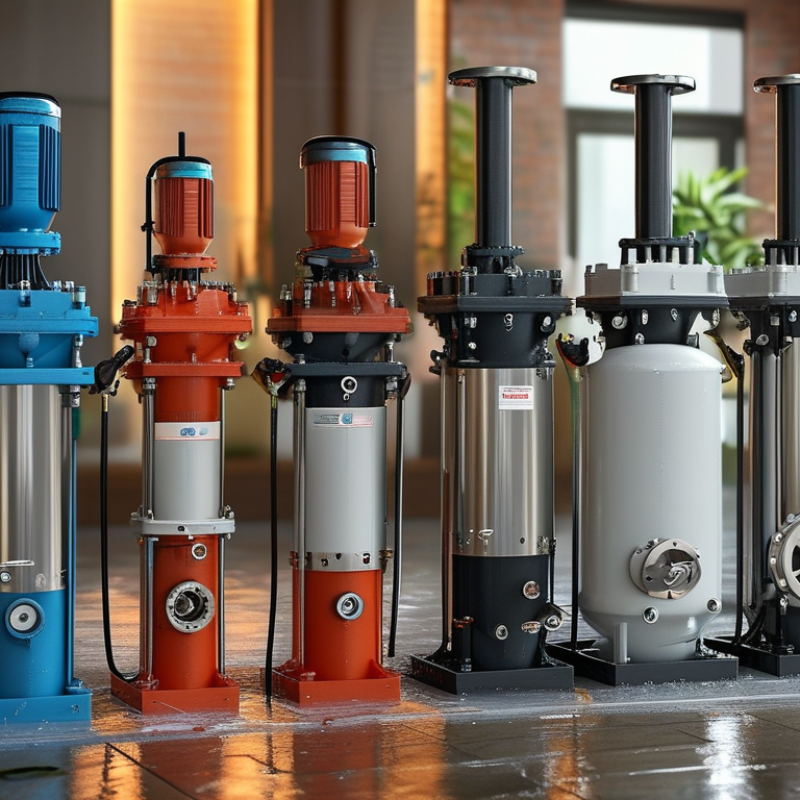
When selecting a wet pump, understanding your application requirements is crucial. Different applications, like wastewater management or agriculture, have unique needs. Research shows that improper pump selection can lead to efficiency losses of up to 20%. This statistic highlights the importance of aligning the pump's specifications with your operational demands.
One key consideration is the fluid characteristics. Assess the viscosity and temperature of the liquid being pumped. For example, thicker fluids may require more robust pumps. Understanding these details helps prevent issues in performance. Evaluate the total dynamic head (TDH) needed for your system. This metric directly affects the pump’s efficiency and longevity.
Consider the environment as well. Will the pump be used indoors or outdoors? The operating conditions can impact the material choice and durability. Take into account the maintenance needs associated with your chosen pump. Regular maintenance can extend the lifespan and reliability of the pump system.
Lastly, always compare energy efficiency ratings. Investing in a more efficient pump now can lead to long-term savings. Well-chosen pumps can reduce energy consumption by up to 30%. A thoughtful approach ensures you meet your needs effectively while promoting sustainability.
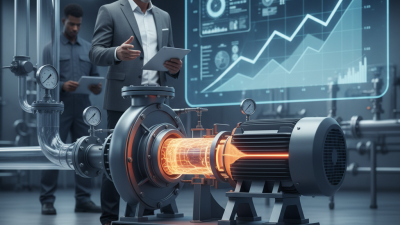
When selecting a wet pump, understanding performance specifications is crucial. Key factors include flow rate, head, and efficiency. According to a 2021 industry report by the Hydraulic Institute, pumps account for 20-25% of electricity consumption in industrial applications. Therefore, choosing an efficient pump can save significant energy costs.
Focus on the pump's flow rate. This measures how much fluid it can move in a given time. Ensure the flow rate meets your application’s needs. Also, look at the pump's head. This indicates how high the pump can lift water. If the head is too low, it may not perform well in your system.
Pay attention to the efficiency rating as well. High-efficiency pumps can lead to lower operating costs. Some studies reveal that a 1% increase in pump efficiency can reduce annual energy costs by 1-2%. Evaluate these specifications carefully to match them with your applications and ensure long-term satisfaction. This decision impacts not only performance but overall operational expenses.
When selecting a wet pump, material compatibility and durability are crucial factors. Wet pumps often handle a variety of fluids, from water to chemicals. If the pump materials do not match the fluids, it can lead to rapid degradation. For example, a pump made from plastic may not withstand corrosive chemicals. Assessing the chemicals that your pump will encounter is critical. Durable materials like stainless steel or special alloys can enhance longevity.
Evaluating environmental conditions is also vital. If the pump is exposed to extreme temperatures or varying pressures, the material can fail. Many users overlook this aspect. Pumps can break down faster than expected when they are not suited for the operating environment. It’s important to consider factors like temperature fluctuation and potential exposure to abrasion.
Finding the right balance between cost and quality is also challenging. Often, cheaper options come with materials that won’t last. This can lead to increased maintenance expenses. An unreliable pump wastes time and resources. Taking the time to analyze both material compatibility and durability can prevent these pitfalls. It’s essential to have confidence in the pump’s ability to perform over time.
When selecting a wet pump, energy efficiency and operating costs are crucial factors. Energy-efficient pumps can significantly reduce electricity consumption. This translates to lower utility bills. Understanding the energy rating of a pump helps in making informed decisions.
Operating costs go beyond just energy consumption. Consider maintenance and repair expenses. Some pumps require more frequent servicing, which increases long-term costs. It's essential to factor in the lifespan of the pump and its components. A cheaper upfront option might lead to higher costs later.
Think about your specific needs. Larger pumps generally consume more energy, but they may be necessary for higher flow rates. Conversely, smaller pumps may save on energy but could struggle to meet demand. Balancing size and efficiency is key. Regularly assessing these variables can save you money over time.
| Tip | Description | Energy Efficiency Rating | Operating Cost (Annual) |
|---|---|---|---|
| 1. Define Your Requirements | Assess your specific needs such as flow rate, pressure, and service conditions. | A | $1,200 |
| 2. Evaluate Energy Efficiency | Choose pumps with high-efficiency motors to reduce energy consumption. | AA | $900 |
| 3. Consider Maintenance Needs | Look for pumps designed for easy maintenance and reliability. | B | $1,500 |
| 4. Analyze Total Cost of Ownership | Consider purchase price, energy costs, and maintenance over the pump's lifecycle. | C | $1,800 |
| 5. Consult with Experts | Engage with professionals to help select the most suitable pump based on your requirements. | A+ | $1,000 |
Choosing the right wet pump involves understanding its features and maintenance needs. Many factors come into play, including design, capacity, and efficiency. It's essential to analyze how these aspects align with your specific requirements. For instance, submersible pumps tend to be more efficient in water-driven applications, while surface pumps are ideal for draining. Make sure the pump you choose can handle the intended environment.
Maintenance is crucial for longevity. Regular checks can prevent breakdowns. Ensure that you know how to clean and service your pump effectively. Neglecting these tasks can lead to inefficiency and costly repairs. Consider the ease of access to components when you purchase. Some models complicate maintenance, making it challenging to perform routine tasks. Don't underestimate this factor; over time, it may cost you in both time and money.
Consider the operational noise of the pump as well. Some are quieter, which is a significant factor for residential areas. Lastly, think about the power source. Electric pumps might be ideal for steady usage, while diesel options may suit remote areas better. Reflect on your unique environment and needs. Making the right choice will pay off in the long run.
We are here to help you with all your queries and concerns, just write to us using the below form and we will get back to you as soon as we can.