
In the increasingly competitive textile industry, maximizing efficiency in the Laboratory Yarn Spinning Production Line is crucial. According to a report from Smithers Pira, the global market for yarn is projected to reach USD 112 billion by 2025. This presents opportunities for labs to enhance their production processes and meet growing demands.
However, many laboratories still face challenges in optimizing their spinning lines. Issues such as machine downtime and inconsistent yarn quality can hinder production efficiency. A study by the International Textile Manufacturers Federation emphasizes that improving production line strategies can lead to a potential increase in output by up to 30%.
To navigate these challenges, it is essential to adopt best practices tailored to the laboratory setting. Implementing data-driven decision-making and regular equipment maintenance can significantly impact the overall effectiveness of the Laboratory Yarn Spinning Production Line. Reflecting on these areas allows laboratories to pinpoint shortcomings and foster a culture of continuous improvement.
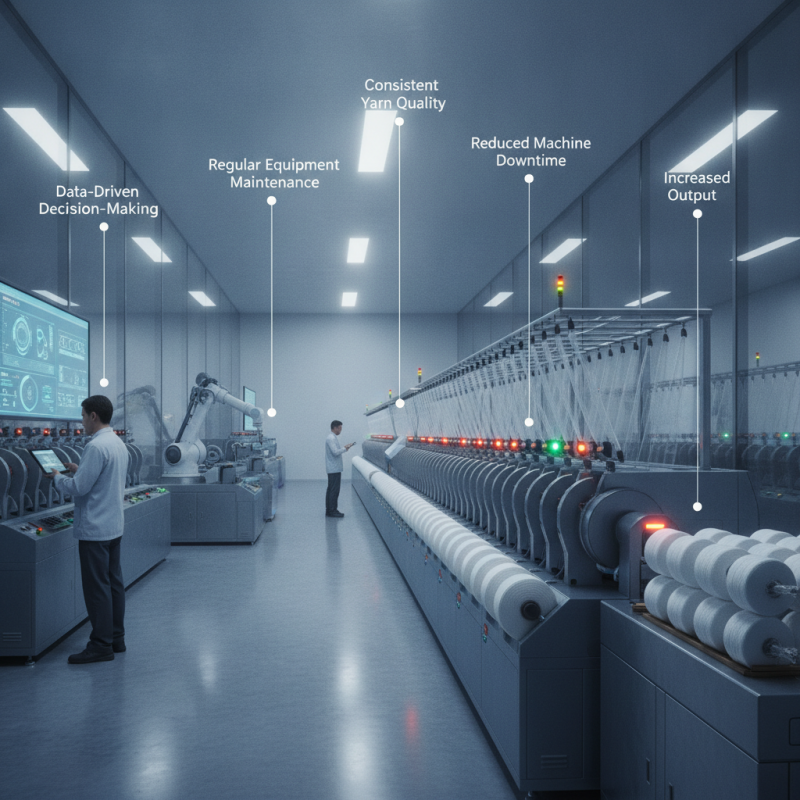
Yarn spinning plays a crucial role in textile manufacturing. It transforms fibers into yarns used for various applications. The process involves several stages, including fiber selection, spinning, and winding. Each stage requires precision and attention to detail. Understanding these steps can significantly impact production efficiency.
Quality control is vital in yarn spinning. It helps prevent defects in the final product. However, achieving consistent quality can be challenging. Variations in fiber properties can lead to inconsistencies during spinning. Regular monitoring and adjustments are necessary to maintain standards. Being vigilant about equipment maintenance also helps avoid breakdowns and production delays.
Another critical aspect is workforce training. Skilled operators are essential for optimal performance. Investing in training programs can enhance staff capability. However, workforce turnover can disrupt production flow. Creating a stable work environment could improve retention. Addressing these factors promotes smoother operations and higher quality output in the yarn spinning industry.
In a yarn spinning production line, analyzing key performance indicators (KPIs) is crucial for enhancing efficiency. Regularly track metrics such as yarn count consistency and production speed. These benchmarks highlight areas needing improvement. Engaging with team members about these metrics fuels a culture of continuous progress.
Monitoring machine downtime can reveal inefficiencies. This data emphasizes the importance of routine maintenance. Reducing unexpected breakdowns increases overall productivity. However, not all downtime is avoidable, and adjustments may be necessary. Balancing production demands with equipment maintenance is an ongoing challenge.
Adopting advanced analytics tools can provide insights into yarn quality. It's essential to evaluate defects regularly. Kinks or inconsistencies can lead to wastage. Identifying root causes helps streamline processes. Utilizing data-driven approaches ensures that every decision is backed by relevant evidence.
Implementing quality control measures is crucial in optimizing laboratory yarn spinning production lines. Research shows that nearly 10% of production defects can be traced back to inadequate quality checks. By integrating systematic quality assessments, production efficiency can increase significantly, saving both time and resources.
One effective tip is to establish regular inspections at each stage of the spinning process. For instance, testing the tensile strength of fibers can uncover weaknesses early, preventing costly waste later. Additionally, employing advanced monitoring technologies such as real-time data analytics can help identify defects before they escalate. Monitoring consistency in the yarn's diameter can also mitigate variations that lead to flaws in the final product.
Another area to focus on is the training of your workforce. Well-trained staff are more likely to adhere to quality protocols, which directly impacts output quality. Regular training sessions on the latest spinning techniques can minimize human error. Reports indicate that effective employee engagement in quality control can reduce defect rates by up to 25%. Continuous improvement in quality control is not just about systems; it’s about cultivating a culture of quality awareness throughout the production process.
This chart represents the reduction in defect rates over a five-week period as quality control measures are implemented in the laboratory yarn spinning production line. The data shows a consistent decrease in defect rates, showcasing the effectiveness of optimization strategies.
The integration of automation technology in yarn spinning production lines presents a golden opportunity for enhanced output. Cutting-edge machines can improve precision, reduce human error, and accelerate the production process. For instance, sensors can monitor the quality of fibers in real-time, ensuring only the best materials are utilized. This level of immediacy in quality control is vital in maintaining standards.
However, relying solely on automation is not the silver bullet. There can be challenges, such as the initial costs and the need for regular maintenance. Many facilities struggle with the training of staff, as the transition to automated systems requires new skill sets. A balance is essential. Combining human expertise with automated processes can lead to synergistic improvements. Proper training programs can ensure staff adapt well, contributing to productivity rather than hindrance.
Implementing automation also means adapting to data analytics. The data collected can reveal inefficiencies. It can highlight patterns that may not be evident at first glance. Yet, teams must be cautious about over-relying on data. Human insights can provide context that numbers alone cannot. Continuous evaluation and an open mindset to feedback will serve any production line well.
| Tip | Description | Expected Result | Implementation Time |
|---|---|---|---|
| Integrate Automation | Utilize automated machinery for consistent yarn quality. | Increased productivity and reduced labor costs. | 1-2 months |
| Monitor Machine Performance | Implement sensors to track machine efficiency and downtime. | Enhanced operational efficiency and timely maintenance. | 2-3 weeks |
| Train Staff on New Technologies | Conduct regular training sessions on operational procedures and new technologies. | Improved skill set among staff leading to less errors. | Ongoing |
| Optimize Yarn Blending | Adjust blend ratios for optimal yarn characteristics. | Enhanced product quality and market competitiveness. | 2 weeks |
| Implement Quality Control Systems | Use statistical process control to monitor yarn quality in real-time. | Fewer defects and higher customer satisfaction. | 1 month |
An effective spinning workforce relies heavily on continuous training and development. Skills in yarn spinning are not static; they require consistent enhancement. Workshops and hands-on training sessions can significantly boost worker confidence and expertise. Scheduled refreshers help maintain high standards and adapt to evolving techniques.
Creating a positive learning environment is crucial. Leaders should encourage questions and discussions. Incorporating feedback loops ensures workers feel valued and engaged. However, some trainers may lack updated knowledge. Regular evaluations of training effectiveness are vital to address this gap. Encouraging self-assessment among workers can help identify personal growth areas.
Utilizing technology in training can lead to innovative solutions. Virtual simulations present real-life scenarios without interrupting production. However, not all staff may adapt to these tools immediately. Addressing resistance and providing ample support is necessary for success. Accordingly, developing these strategies propels an organization towards improved productivity and a skilled workforce.
We are here to help you with all your queries and concerns, just write to us using the below form and we will get back to you as soon as we can.