Top 10 Best Water Pumps for Efficient Water Management in 2023
In the realm of efficient water management, the significance of utilizing high-quality water pump water cannot be overstated. According to recent industry reports, the global water pump market is projected to grow at a compound annual growth rate (CAGR) of 5.2% from 2023 to 2030, driven by an increasing need for effective water management solutions across various sectors such as agriculture, construction, and municipal services. The demand for water pumps is influenced by the rising population and urbanization rates, necessitating advancements in water distribution and irrigation technologies.
As we delve into the top 10 best water pumps for optimal performance in 2023, it's essential to consider the critical role these devices play in enhancing water efficiency and sustainability. Innovations in pump design and technology, such as energy-efficient models and smart water management systems, are reshaping the landscape of water utilities. The adoption of these state-of-the-art solutions not only improves operational efficiency but also significantly reduces energy consumption and operational costs. With the increasing awareness of sustainability, more sectors are recognizing the value of investing in reliable water pump water systems, ultimately contributing to resource conservation and environmental protection.
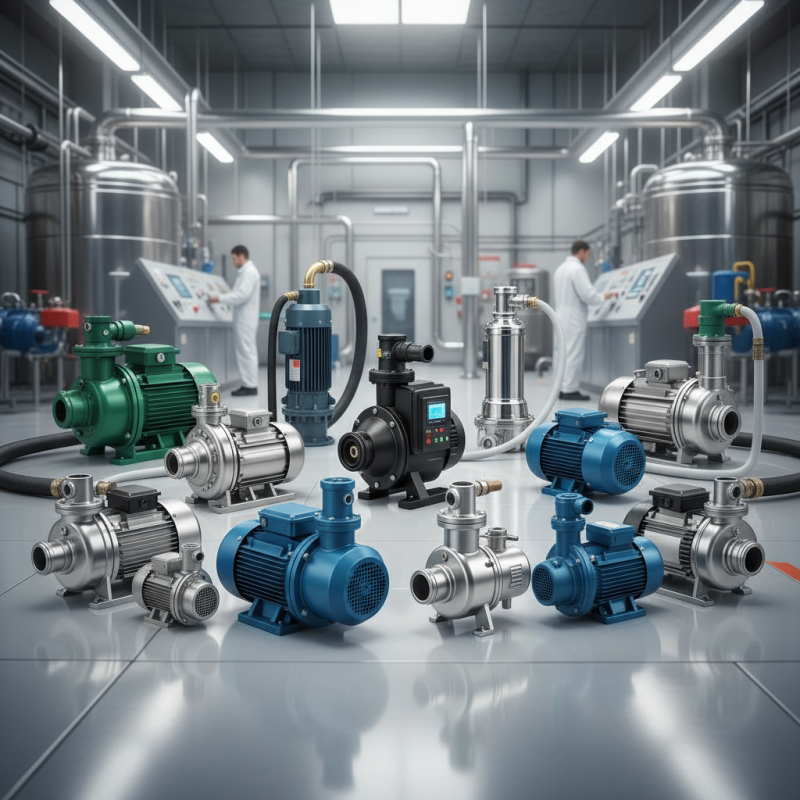
Overview of Water Pumps and Their Importance in Water Management
Water pumps play a crucial role in efficient water management by ensuring that water is available where and when it is needed. According to the National Groundwater Association, approximately 70% of global freshwater withdrawals are attributed to agricultural practices, making effective water management essential in this sector. Advanced water pumping systems facilitate irrigation, thereby optimizing crop yield while conserving water resources. With modern pumping technology, farmers can automate systems to deliver precise amounts of water, significantly reducing waste and enhancing sustainability.
In urban environments, water pumps are vital for the distribution of potable water as well as wastewater management. The World Health Organization emphasizes that access to clean water is a fundamental human right, and efficient water pumping helps maintain this access. Moreover, reports from the American Society of Civil Engineers indicate that investing in water infrastructure, including pumps, is critical to managing the increasing demands on water resources due to population growth and climate change. In 2023, the emphasis on smart pump systems that integrate IoT technology has emerged, allowing for real-time monitoring and energy-efficient operations, thus driving improvements in overall water management practices across various sectors.
Criteria for Selecting the Best Water Pumps in 2023
When selecting the best water pumps for efficient water management in 2023, several key criteria should be considered to ensure optimal performance and longevity. Firstly, the pump's flow rate is a critical factor; it is essential to match the pump's capacity to the specific requirements of the application. According to the Water & Wastewater Equipment Manufacturers Association (WWEMA), a pump's flow rate should ideally align with the water supply needs, calculated in gallons per minute (GPM) or liters per second (L/s), ensuring that the system operates within an efficient range without strain.
Durability and materials used in the construction of water pumps also play a significant role in selecting the best options. Pumps made with corrosion-resistant materials, like stainless steel or high-grade plastics, typically offer better longevity, especially in harsh environments. A report by the American Water Works Association highlights that pumps that withstand various operational conditions can reduce maintenance costs by as much as 30%. Additionally, energy efficiency is becoming increasingly important; electric pumps with a high-efficiency rating can lead to substantial savings in energy consumption, driving both economic and environmental benefits. The Department of Energy emphasizes the significance of high-efficiency motors, noting that they can improve operational efficiency by up to 8%, which is crucial as the demand for sustainable water management solutions continues to rise.
Top 10 Water Pumps: Features, Benefits, and Applications
When selecting the best water pumps for efficient water management in 2023, it is crucial to consider their features, benefits, and applications. Water pumps serve a multitude of purposes across various industries, including agriculture, construction, and municipal water systems. For instance, the U.S. Department of Energy reported that efficient water pumps can reduce energy consumption by up to 30%, thereby not only saving costs but also contributing to sustainability efforts.
Modern water pumps come equipped with advanced technology, such as variable frequency drives (VFDs), which optimize performance by adjusting motor speed based on demand. This feature not only enhances operational efficiency but also prolongs the lifespan of the pump.
Additionally, applications range from irrigation in farming—which is vital for crop yield in an increasingly water-scarce world—to dewatering in construction sites, highlighting the versatility and critical role of water pumps in ensuring reliable water management. A comprehensive assessment of the intended application and the specific features required can drive better decision-making, ensuring that users select pumps that meet their efficiency and functionality needs.
Comparative Analysis of the Leading Water Pumps
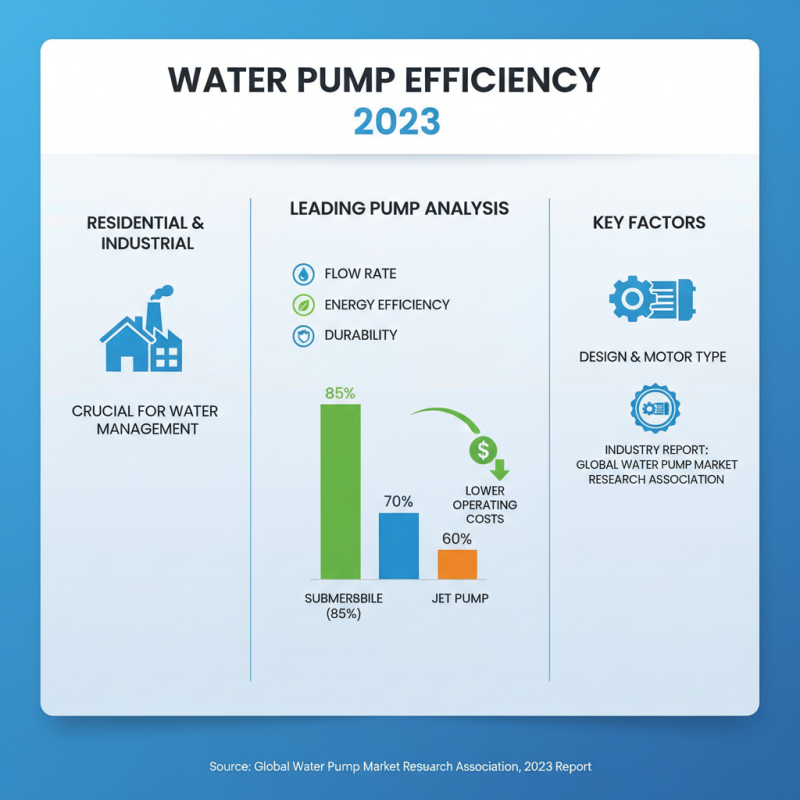
When it comes to efficient water management, selecting the right water pump is crucial for both residential and industrial applications. A comparative analysis of the leading water pumps in 2023 reveals significant differences in performance metrics such as flow rate, energy efficiency, and durability. According to a recent industry report by the Global Water Pump Market Research Association, the pump efficiency is primarily influenced by its design and motor type. Submersible pumps, for instance, demonstrate an impressive average efficiency rating of up to 85%, which significantly reduces operating costs over time.
Moreover, the size and application of water pumps also play a vital role in their effectiveness. Data indicates that centrifugal pumps account for approximately 70% of the global pump market, making them the most widely used type due to their ability to handle high flow rates. In contrast, positive displacement pumps, which are gaining traction for specific applications, excel in delivering consistent flow at varying pressures, showcasing their efficiency in specialized scenarios. Understanding these differences can guide consumers and businesses alike in making informed decisions that align with their unique water management needs and sustainability goals.
Future Trends in Water Pump Technology and Water Management Solutions
The understanding of water management is evolving rapidly, particularly with the introduction of advanced technologies in water pump systems. According to a recent report by the International Water Association, the demand for smart water management solutions is anticipated to grow by 7.5% annually over the next five years. This growth is driven by the rising need for sustainable water usage and the increasing prevalence of water scarcity issues worldwide. Smart water pumps equipped with IoT (Internet of Things) capabilities are emerging as critical components of this new landscape, allowing for real-time monitoring, predictive maintenance, and efficient energy usage.
Future trends indicate that water pump technology will increasingly leverage automation and artificial intelligence. Analytical tools, as reported by the Global Water Intelligence, suggest that predictive analytics can reduce operational costs by up to 25%, while improving system reliability. Additionally, the integration of renewable energy sources in water pumping systems is becoming more prevalent, promising a significant reduction in carbon footprints. Innovation in materials used for pump construction is also expected to enhance durability and efficiency, which aligns with global sustainability goals as outlined in the United Nations' Water Action Agenda. These evolving technologies represent a crucial step towards more efficient water management solutions that can meet future challenges head-on.