China Top 10 Water Dispenser With Pump Suppliers?
Choosing a reliable water dispenser supplier in China requires more than comparing prices or polished product photos. Buyers need evidence of manufacturing experience, stable quality control, responsive service, and practical delivery capability. This guide introduces ten notable suppliers serving homes, offices, hotels, retailers, and commercial projects.
The selection focuses on dispenser design, pump performance, material safety, production capacity, customization, and export support. A dependable supplier should explain how its pump handles repeated use, how water-contact parts are tested, and how finished units are inspected before shipment. Details matter, such as food-grade tubing, low-noise operation, secure bottle seating, and easy cleaning around the dispensing area. Some suppliers specialize in compact countertop units, while others provide floor-standing systems for busy workplaces.
The phrase water with pump can describe several product types, including bottled-water dispensers with electric pumps and portable drinking-water solutions. Buyers should confirm the exact structure before requesting quotations. Certifications, factory audits, sample testing, warranty terms, and spare-parts availability also deserve careful review. A low offer may become expensive when replacement pumps arrive slowly.
No ranking is perfect. Supplier strengths can change with capacity, management, and market conditions. Therefore, this overview should support further verification rather than replace it. Request current catalogs, test samples, production videos, and clear commercial documents. Honest communication is often more valuable than impressive claims. The right partner should deliver consistent products and realistic answers. That matters.
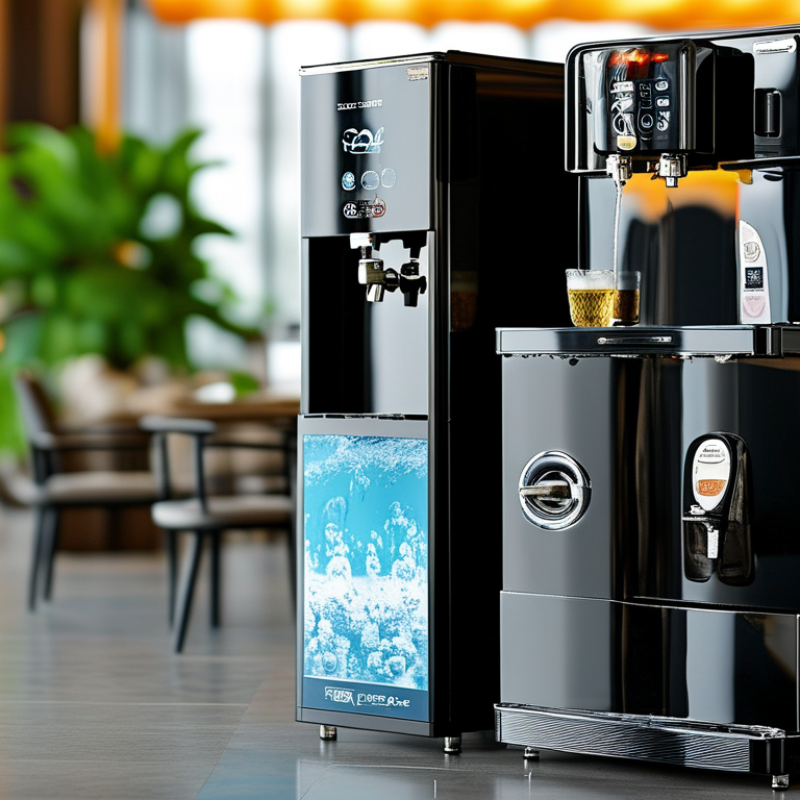
What Is a Water Dispenser With Pump?
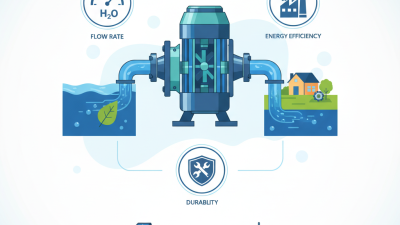
A water dispenser with pump uses a small electric pump to move water from a bottle or internal tank to the outlet. Unlike a gravity-fed dispenser, it does not require the bottle to sit above the tap. When the user presses a button, the pump creates pressure and pushes water through food-grade tubing.
Some models fit directly onto large bottled water containers. Others include a built-in reservoir, rechargeable battery, or power cable. The pump usually serves room-temperature water, while advanced units may also provide chilled or heated water. It sounds simple. However, flow speed can differ noticeably between models.
In practical use, check the pump noise, charging time, and water-contact materials. A quiet motor is useful beside a bed or in a small office. Clear tubing makes residue easier to notice. The outlet should be covered when not used, especially around dust or pets. Regular cleaning matters because stagnant water can affect taste and hygiene. Follow the manufacturer’s cleaning instructions carefully.
I would not assume the cheapest dispenser is the most reliable. A weak pump may stop before emptying the bottle. Some buttons also feel loose after repeated use. These small faults are easy to overlook during purchase, but they become frustrating every day. Look for stable construction, clear operating instructions, and accessible replacement parts.
How to Evaluate Chinese Water Dispenser Suppliers
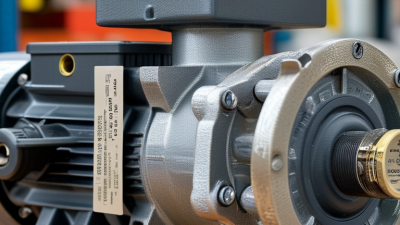
Choosing among China’s top water dispenser with pump suppliers requires more than comparing online prices. I evaluate factory evidence, not polished catalog photos. Ask for business licenses, production addresses, recent audit reports, and product traceability records. A reliable supplier should explain pump materials, flow rate, noise level, and expected service life. Request samples from the same production line planned for bulk orders. In my experience, a beautiful sample can hide inconsistent tubing or weak seals. That detail matters.
Check whether the supplier understands your target market’s electrical, food-contact, labeling, and safety requirements. Valid certificates must match the exact model, factory, and testing scope. Do not accept a certificate image without verification. Review quality-control steps, including incoming-material checks, pressure testing, leak testing, and final inspection. Ask for defect records and corrective actions. A supplier that admits past failures may be more trustworthy than one claiming perfection. Still, admission alone proves little. Need evidence.
Tips: Compare at least three suppliers using one written scorecard. Score sample quality, response speed, minimum order quantity, warranty terms, spare-parts access, and delivery performance. Confirm packaging with a drop-test sample, especially for pumps and fragile fittings. Use a small trial order before scaling. Keep every promise in writing. If communication becomes vague after payment, reconsider the partnership.
China’s Top 10 Water Dispenser With Pump Suppliers
China’s Top 10 Water Dispenser With Pump Suppliers
China’s leading pump-equipped water dispenser suppliers serve homes, offices, hotels, and outdoor sites. A 2024 Grand View Research assessment estimated the global water dispenser market at several billion U.S. dollars, with steady growth through 2030. Market definitions differ. Definitions matter.
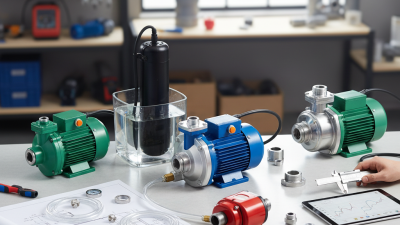
The strongest Chinese suppliers usually offer pump-fed, bottom-loading, and countertop models. Buyers should inspect pump noise, food-contact materials, leakage protection, and heating speed. A practical factory visit should include a one-hour continuous dispensing test. Watch the inlet tube carefully. Weak connections can cause small but costly leaks. Suppliers with ISO 9001 systems, applicable GB compliance, and documented production testing deserve closer attention. Their records should show batch inspection, electrical safety checks, and water-contact material verification.
Export buyers can compare the top ten suppliers through production capacity, customization control, and after-sales response. A useful benchmark is a 20-liter bottle change completed without tilting or splashing. Ask for pump lifespan data under repeated daily cycles, not only laboratory claims. The International Energy Agency reports that appliance efficiency remains important as cooling and heating loads rise worldwide. Therefore, standby consumption and insulation deserve equal attention. Some supplier pages still publish unclear efficiency figures. That is a weakness, not a minor detail. Experience also shows that attractive samples may hide inconsistent assembly between batches. Independent pre-shipment inspection remains sensible.
China Top 10 Water Dispenser With Pump Suppliers
This chart presents a neutral procurement benchmark for evaluating water dispenser with pump suppliers in China. The scoring dimensions reflect common buyer requirements, including product safety, pumping performance, customization, certification, production capability, and export readiness. No company or brand data is displayed.
Higher scores indicate stronger suitability for international B2B sourcing. The benchmark uses a 100-point evaluation model rather than ranking individual companies.
Key Products and Services Offered by These Suppliers
China Top 10 Water Dispenser With Pump Suppliers: Key Products and Services Offered
Leading suppliers in China offer countertop, floor-standing, and bottle-mounted water dispensers with pumps. Their product lines often include rechargeable electric pumps, stainless steel housings, food-grade silicone tubes, and child-safety locks. Some suppliers also provide hot, cold, and ambient water functions for homes, offices, hotels, and small retail spaces.
Many manufacturers support OEM and ODM projects. They can adjust colors, logos, packaging, voltage, and control panels. Reliable suppliers usually provide sample testing, factory inspections, product manuals, spare parts, and warranty support. Ask for pump flow rate, battery capacity, noise level, material reports, and temperature accuracy. These details reveal more than attractive catalog photos. In my experience, response speed matters, but technical answers matter more. No supplier is perfect. Product specifications may still need independent verification.
Tips:
Request a working sample before placing a large order. Test the pump with a full bottle and an almost empty bottle. Check charging time, water taste, leakage, and cleaning access. Confirm whether replacement tubes and batteries are available. Ask for inspection records and applicable safety documentation. A low price can hide weak after-sales service. Also, clarify carton strength and shipping protection, especially for glass bottles or multi-function models.
How to Choose the Right Chinese Supplier for Your Needs
China Top 10 Water Dispenser With Pump Suppliers?
Choosing among China’s top water dispenser with pump suppliers requires more than comparing online prices. Start by matching the supplier’s factory experience with your product requirements. Ask about pump flow rate, noise level, power options, water-contact materials, and daily operating capacity. A supplier selling many models may not understand your application well.
Request a working sample before placing a large order. Test it with the bottle sizes, water temperature, and power supply used in your market. Listen for unusual pump noise and check whether the water flow remains stable after repeated use. Review quality records, production photos, inspection procedures, and applicable compliance documents. These details reveal more than polished catalog images.
Communication also matters. A reliable supplier should provide clear specifications, realistic lead times, packaging details, and after-sales support. Confirm the minimum order quantity and replacement-part availability in writing. Factory visits or independent inspections can reduce uncertainty, although they add time and cost. Do not trust every certificate immediately. Verify its issuing organization and validity.
A low quotation can hide weak materials or inconsistent testing. That is easy to miss. I would compare total ownership costs, not only the purchase price. Still, no supplier is perfect. Samples may perform better than mass production, and delivery estimates can change during busy seasons. Build inspection points into the agreement and keep a small contingency plan.