
Efficient water management is a critical factor in various industries. Large flow drainage pumps play a vital role in this regard. These pumps are designed to handle substantial volumes of water swiftly and effectively. In sectors like agriculture, construction, and municipal services, they ensure proper drainage and flood control.
Selecting the right large flow drainage pump requires careful consideration. Factors such as capacity, durability, and energy efficiency must be evaluated. Not all pumps are created equal; some may not meet the demands of high-volume water management as expected. Users often face challenges in optimizing their systems, which can lead to inefficiencies and increased costs.
It's essential for professionals to stay informed about the latest technologies and advancements in pump design. Understanding the features and specifications of large flow drainage pumps can enhance operational efficiency. Our exploration of the top 10 large flow drainage pumps aims to provide insights into reliable and effective solutions for better water management.
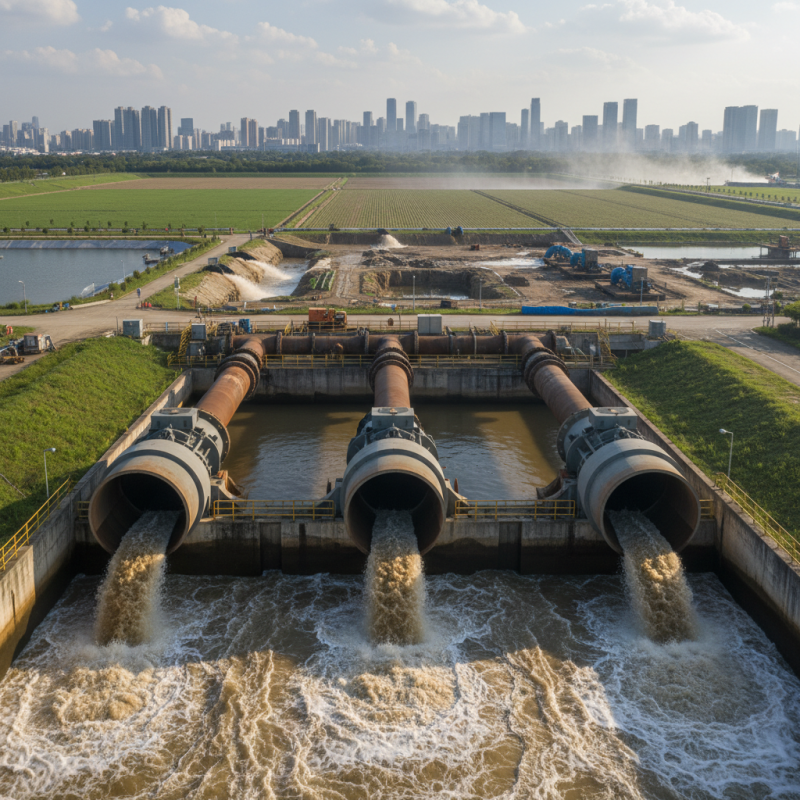
Large flow drainage pumps play a crucial role in effective water management. They are designed to handle significant volumes of water in various applications, from construction sites to municipal drainage systems. Their efficiency in moving water helps prevent flooding and manage stormwater, which is vital for urban planning.
When selecting a large flow drainage pump, consider the pump's flow rate and head pressure. These factors determine how quickly and efficiently water can be removed. It's also essential to evaluate the materials used in the pump, as they impact durability and performance, especially in harsh environments.
Tips: Regular maintenance is key to maximizing pump longevity. Clean the intake regularly to prevent blockages. Also, invest in backup systems for critical applications; this can save you from potential disasters. Remember, inadequate planning can lead to costly water damage. Ensuring you have the right pump for the job can make all the difference in managing water effectively.
When choosing drainage pumps, certain key features matter significantly. Flow rate is one of them. A typical large flow pump can handle up to 20,000 gallons per minute. This capacity is vital for industrial settings. A lower flow rate can lead to inefficiency and potential flooding issues.
Additionally, the construction material of the pump is crucial. Pumps made from stainless steel or thermoplastic are more resistant to corrosion. This quality extends their lifespan. According to a 2022 industry report, pumps with robust materials can last over 15 years with proper maintenance.
Energy efficiency also plays a role in cost management. Many pumps now use variable frequency drives to optimize performance. This technology can reduce energy consumption by 30%. Proper sizing is essential to avoid energy waste. A pump too large for its task can lead to operational inefficiencies. Understanding these details can enhance water management systems.
When it comes to efficient water management, large flow drainage pumps play a pivotal role. They are essential in flood prevention, agricultural drainage, and sewage management. Choosing the right pump can be daunting. A proper analysis can illuminate their varied features and functionalities.
Performance metrics such as flow rate, energy efficiency, and durability must guide selection. Some pumps excel in heavy-duty applications, while others are suited for intermittent tasks. Keep in mind the pump's material composition, as it affects longevity and maintenance needs. While many can handle large volumes, not all can do so sustainably. Flexibility and adaptability are essential traits in these units.
Consideration of installation and operating costs is also critical. Some installations are straightforward, while others may require specialized personnel. Regular maintenance is necessary to ensure longevity, yet it is often overlooked. Without diligent upkeep, even the best pumps can fail prematurely. An informed choice involves balancing performance, cost, and maintenance for optimal outcomes.
Efficient water management systems play a crucial role in various industries. They help in controlling flooding, managing wastewater, and ensuring a steady water supply. These systems use large flow drainage pumps to move substantial volumes of water quickly. By investing in quality pumps, facilities can minimize water-related issues.
Tips: Regular maintenance of drainage pumps can prevent costly breakdowns. Always check for debris in pump intakes. Monitoring performance trends helps identify potential problems early.
Implementing an efficient water management system brings numerous benefits. It reduces operational costs by optimizing resources. Improved water flow management can enhance productivity, especially in agriculture. Effective systems ensure compliance with environmental regulations, preserving ecosystems.
Tips: Train staff regularly on water management best practices. Use data analytics for better decision-making. Effective training can improve system efficiency significantly. Regular reviews can highlight areas needing improvement.
| Pump Model | Flow Rate (m³/h) | Power (kW) | Head (m) | Weight (kg) | Applications |
|---|---|---|---|---|---|
| Model A | 150 | 15 | 25 | 120 | Municipal Wastewater |
| Model B | 180 | 20 | 30 | 150 | Industrial Wastewater |
| Model C | 220 | 25 | 40 | 140 | Irrigation |
| Model D | 200 | 22 | 35 | 130 | Flood Control |
| Model E | 250 | 30 | 45 | 160 | Construction Sites |
| Model F | 260 | 35 | 50 | 170 | Mining |
| Model G | 300 | 40 | 60 | 200 | Power Plants |
| Model H | 350 | 45 | 75 | 250 | Emergency Services |
| Model I | 400 | 50 | 80 | 300 | Irrigation & Drainage |
| Model J | 450 | 60 | 90 | 350 | Seasonal Flooding |
Regular maintenance of drainage pumps is crucial for optimal performance. Inspecting the pump monthly helps identify potential issues early. Check the inlet and outlet screens for clogs. These screens can become blocked with debris. Cleaning them ensures smooth operation.
Lubrication is another important aspect. Apply the correct lubricant to moving parts. This reduces friction and enhances efficiency. However, over-lubricating can attract dirt and create more problems. Monitor the pump's vibration levels. Excessive vibration often indicates wear or misalignment, which needs attention.
Lastly, keeping a maintenance log is essential. Document each check and repair. This helps track performance over time. It can be easy to overlook small issues until they become larger problems. Regular assessments can improve lifespan and efficiency. Remember, a well-maintained pump is a reliable pump.
We are here to help you with all your queries and concerns, just write to us using the below form and we will get back to you as soon as we can.