What Are the Top 10 Quality Pumps for Global Buyers?
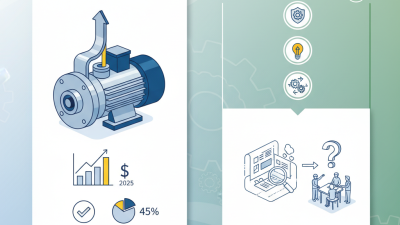
For global buyers, selecting a pump is rarely a simple price comparison. A pump may look impressive online, yet fail under abrasive slurry, unstable voltage, or seasonal temperature changes. This guide introduces ten quality pumps known for dependable performance across industrial, commercial, agricultural, and municipal applications. It considers flow rate, head pressure, materials, seal design, energy use, maintenance access, and documented testing. These details matter when a unit runs continuously beside a boiler, irrigation canal, or wastewater basin. Real purchasing experience shows that the cheapest quotation can become the most expensive choice after repeated seal replacements. Small details matter.
The selection draws on manufacturer specifications, recognized certification practices, service records, and practical feedback from installers and operators. It does not treat one brand as universally superior. A stainless-steel centrifugal pump may suit clean water, while a progressive cavity model handles thick fluids more confidently. Buyers should verify local voltage, duty cycle, spare-parts availability, warranty terms, and after-sales support before ordering. Independent inspection and performance testing can reduce uncertainty, especially for international shipments. Even experienced teams can miss a compatibility issue. That is worth admitting.
This list is a starting point, not a substitute for engineering review. Each featured model is assessed for reliability, efficiency, safety, and suitability in real operating conditions. By comparing strengths and limitations clearly, global buyers can choose quality pumps with greater confidence and fewer costly surprises.
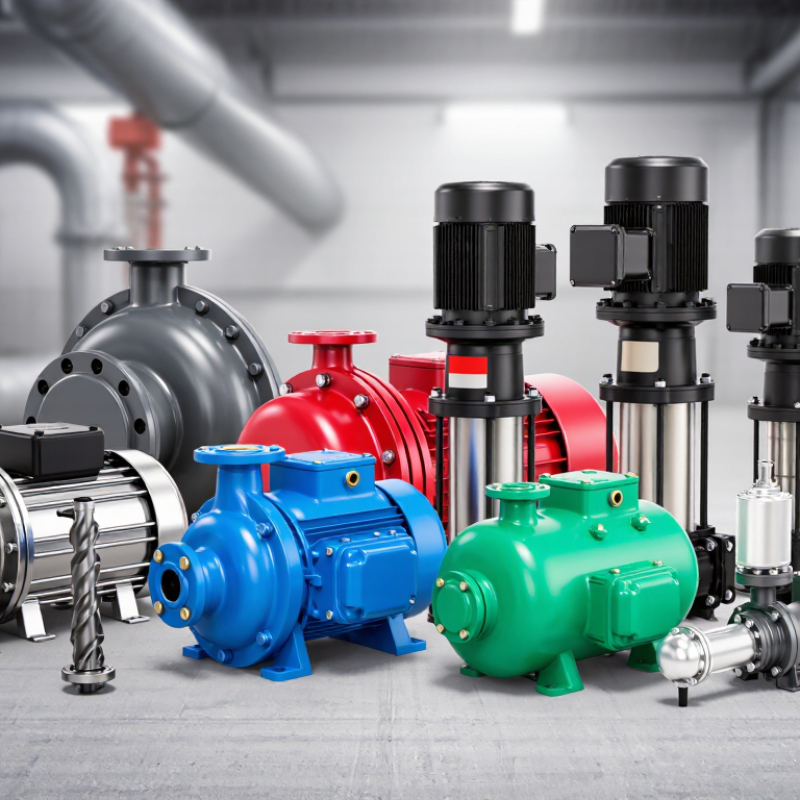
Pump Types and Their Core Applications in Global Markets
What Are the Top 10 Quality Pumps for Global Buyers?
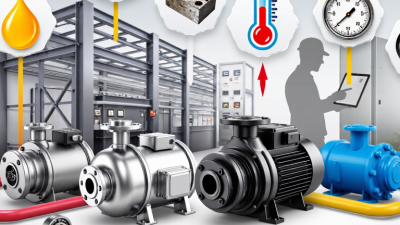
Pump selection depends on fluid behavior, pressure, temperature, and installation conditions. Centrifugal pumps suit municipal water, irrigation, and general process transfer. Multistage pumps deliver higher pressure for boilers, reverse osmosis, and high-rise buildings. Positive displacement pumps provide steady flow when viscosity changes. Gear pumps handle oils and lubricants, while screw pumps move thick fluids with limited pulsation. Diaphragm pumps support chemical dosing and sensitive fluids. Peristaltic pumps protect sterile media inside flexible tubing. Piston and plunger pumps serve high-pressure cleaning, injection, and testing systems. Submersible pumps remove wastewater and groundwater. Axial-flow pumps move large water volumes at low head.
The application gap is substantial. The WHO and UNICEF Joint Monitoring Programme reported that 2.2 billion people lacked safely managed drinking water in 2022. This keeps reliable water-transfer equipment central to global infrastructure. In agriculture, irrigation pumps must tolerate sand, voltage fluctuation, and seasonal demand. In factories, buyers should verify seal materials, motor efficiency, spare-part access, and service records. The U.S. Department of Energy identifies pumping systems as major industrial energy users, making lifecycle efficiency more important than purchase price.
Performance data can mislead.
A pump tested with clean water may struggle with solids or gas. I have seen specifications overlook suction conditions. Buyers should request field curves, efficiency at actual duty points, noise data, and maintenance intervals. A cheaper pump can become expensive after repeated seal failures. Better selection is practical, not perfect.
Key Quality Criteria for Comparing International Pump Suppliers
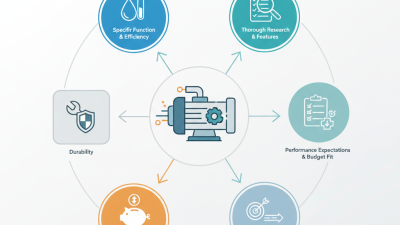
Choosing among the top ten quality pumps requires more than comparing prices. Global buyers should examine flow rate, pressure range, efficiency, and material compatibility. A pump handling seawater needs corrosion-resistant components and carefully sealed connections. Ask suppliers for performance curves, factory test reports, and clear tolerance data. Vague claims are warning signs.
Supplier quality matters equally. Check production experience, technical training, quality-control procedures, and traceability for major components. Reliable suppliers can explain how each pump is tested before shipment. They should also provide installation drawings, maintenance schedules, spare-parts availability, and responsive after-sales support. During supplier audits, inspect the testing area, not only the showroom. A polished brochure can still hide weak process control.
Tips: Request a sample test report. Confirm energy performance at your actual duty point. Review warranty exclusions closely. Ask how quickly replacement seals can arrive. A low purchase price may become expensive after repeated downtime. I have seen buyers focus too heavily on stainless-steel grades while ignoring vibration control and alignment requirements. That judgment can be costly. Supplier references help, but they are not perfect evidence. Contact customers with similar operating conditions and ask about noise, delivery accuracy, service response, and pump life. A dependable comparison also includes documentation quality, communication speed, and the supplier’s willingness to admit technical limits.
How to Match Each Pump with Different Industrial Requirements
What Are the Top 10 Quality Pumps for Global Buyers?
Matching a pump to service conditions matters more than choosing the highest-rated model. The U.S. Department of Energy reports that pumping systems can consume 25% to 50% of industrial facility electricity. Efficiency deserves attention.
For clear water and general circulation, end-suction centrifugal pumps offer simple maintenance.
Multistage centrifugal pumps suit high-pressure boiler feed and reverse-osmosis systems.
Vertical turbine pumps work well in deep wells, reservoirs, and cooling-water intake stations.
Submersible pumps fit drainage, wastewater, and flooded construction areas.
Slurry pumps need thick liners and large passages for mining solids.
Gear pumps handle viscous oils at steady flow rates.
Screw pumps manage lubricating fluids and fuel transfer with low pulsation.
Diaphragm pumps suit corrosive chemicals because the fluid avoids direct contact with moving seals.
Peristaltic pumps are useful for delicate dosing, sludge, and abrasive chemicals.
Magnetic-drive pumps reduce leakage risk in chemical processing.
Selection requires real operating data. Measure flow, total dynamic head, temperature, viscosity, solids size, and pH before requesting quotations.
ISO 5199 emphasizes performance and testing requirements for centrifugal pumps, while API 610 addresses demanding petroleum and petrochemical services. These standards improve reliability, but they cannot correct poor field assumptions. A pump may pass factory testing and still fail after installation.
My first choice is not always the most efficient one. A smaller pump with variable-speed control may save energy, yet unstable suction can damage it quickly. Check NPSH, seal materials, motor protection, spare-part access, and local service capacity. The overlooked detail is often the expensive one.
Global Purchasing Factors: Standards, Service, and Total Cost of Ownership
What Are the Top 10 Quality Pumps for Global Buyers?
A useful global shortlist includes centrifugal, multistage, submersible, diaphragm, progressive cavity, gear, screw, piston, magnetic-drive, and peristaltic pumps. However, pump quality is not a ranking alone. It depends on duty point, fluid temperature, solids, voltage, and local service capacity. The U.S. Department of Energy reports that pumping systems can consume 25–50% of industrial facility electricity. Efficiency deserves serious attention.
Ask suppliers for performance curves tested against ISO 9906 requirements. Check flow, head, efficiency, vibration, materials, and acceptance tolerances. Request spare-parts availability near your operating site. A low purchase price may become expensive after repeated seal failures, emergency freight, or difficult maintenance. The International Energy Agency estimates that electric motor systems use more than half of global electricity, making motor and pump efficiency financially important. Still, published efficiency data can be optimistic. Field conditions often differ.
Tips: Compare total cost of ownership over ten years. Include energy, installation, controls, inspections, downtime, and disposal. Test the pump at your real operating point, not only at the catalog maximum. Confirm language, warranty terms, training, and response times in writing. For remote facilities, keep critical seals and bearings on site. A perfect choice is rarely obvious. Review the assumptions.