Top 5 Energy Storage System Tips for Global Buyers?
In the rapidly evolving world of Energy Storage Systems, making informed decisions is crucial for global buyers. Experts emphasize the importance of understanding the nuances of this technology. Dr. Emma Green, a respected authority in the field, once stated, "A well-chosen energy storage solution can redefine how we utilize renewable energy." Her insights highlight the pivotal role of energy storage in modern energy management.
Considering the wide variety of Energy Storage Systems available, buyers must navigate carefully. Factors such as capacity, efficiency, and cost can significantly impact decisions. Many buyers may overlook vital details, leading to costly mistakes. For instance, not all systems are suitable for every application, which could result in poor performance.
The landscape of Energy Storage Systems is complex, yet rewarding. Buyers should prioritize reliability and scalability in their choices. With ongoing advancements, it is essential to stay updated. The journey might not be perfect, and reflection is necessary. Engaging with knowledgeable experts can often illuminate pathways that may not initially appear favorable.
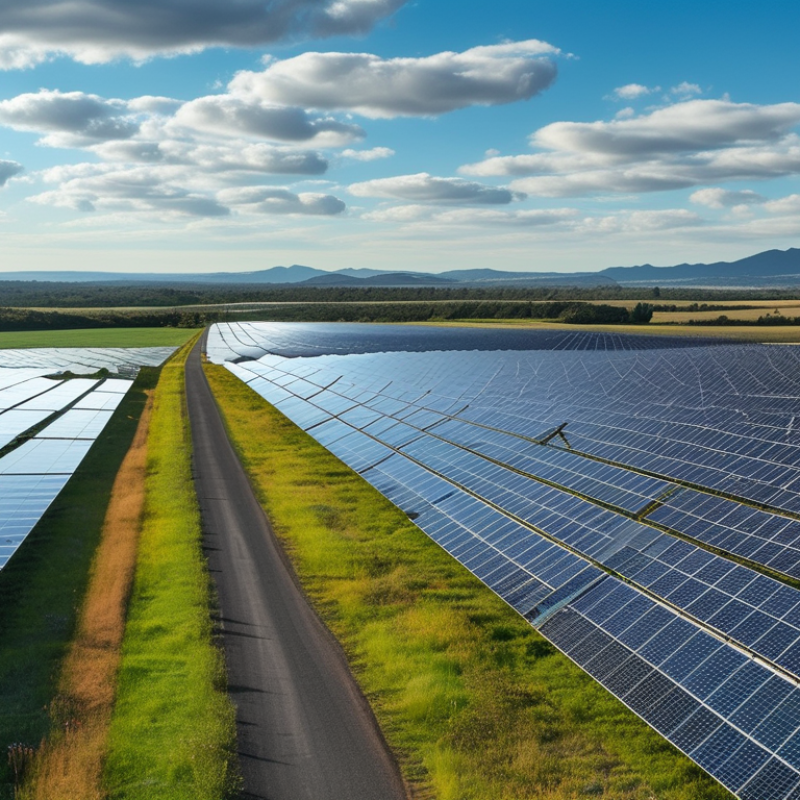
Understanding Different Types of Energy Storage Systems Available
Energy storage systems play a crucial role in today's energy landscape. They help in balancing supply and demand, particularly with the rise of renewable energy sources. A common type of system is battery storage. These come in various chemistries, such as lithium-ion and lead-acid. Each has its advantages and limitations. Lithium-ion batteries are efficient but can be costly. Meanwhile, lead-acid batteries are cheaper but have a shorter lifespan.
Another option is pumped hydro storage. This technology uses water to store energy. Water is pumped uphill during low demand and released to generate power when needed. It's effective but requires specific geographic conditions. Then there are flywheel systems, which store energy in a rotating mass. They offer fast response times but may not be suitable for long-term storage. Understanding these differences is vital for buyers aiming to meet their energy needs effectively.
Most buyers face challenges when evaluating these systems. It can be tricky to assess cost versus efficiency. Some may favor the newest technology, overlooking simpler, proven options. Others might focus on upfront costs, ignoring long-term maintenance. It’s essential to consider how well each system aligns with specific energy goals. Prioritizing realistic needs can guide better decision-making in this evolving field.
Key Factors to Consider When Choosing an Energy Storage System
When selecting an energy storage system, multiple factors must be considered. The technology type is paramount. Lithium-ion systems dominate the market, accounting for over 90% of deployed storage in 2023. However, alternatives like flow batteries offer longer life cycles and are gaining traction, particularly for large-scale applications.
Capacity and efficiency are critical metrics. Buyers should evaluate the kilowatt-hour capacity needed for their specific applications. According to the International Renewable Energy Agency, storage efficiency can vary from 70% to over 90%, influencing long-term performance and cost-effectiveness. Understanding these efficiencies ensures that users can design systems that meet their energy demands without excess expenditure.
Cost is another significant consideration. The upfront investment for energy storage can be substantial. Research shows that the average cost of lithium-ion batteries has dropped to around $137 per kilowatt-hour. Nevertheless, operating and maintenance costs should also be factored into the overall financial picture. Reflecting on these aspects will help buyers choose systems that align with their needs and budget, despite the complexities involved in energy storage technology.
Evaluating Energy Storage System Efficiency and Performance Metrics
When evaluating energy storage systems, efficiency is a critical metric. Understanding round-trip efficiency is essential. This percentage shows how much energy you can use compared to what you stored. Higher efficiency means less energy lost in the process. Look for systems with efficiencies above 80%. That could save significant amounts of energy over time.
Performance metrics also play a vital role. Consider discharge rates and capacity fading. A system might perform well initially but degrade quickly. You want a solution that retains capacity over its lifespan. Review independent test data or user reviews. These insights can reveal real-world performance beyond manufacturer claims.
It's easy to overlook the importance of safety features. Systems must have robust thermal management and fail-safe mechanisms. A lack of proper safety can lead to hazardous situations. Take time to understand these features. They are just as important as energy efficiency in making a responsible choice.
Top 5 Energy Storage System Efficiency Metrics
The Importance of Scalability in Energy Storage Systems for Buyers
Scalability in energy storage systems is crucial for buyers looking to optimize their investments. A recent report by Wood Mackenzie indicates that the global energy storage market will reach over 250 gigawatt-hours (GWh) by 2025. As demand for renewable energy rises, the need for scalable solutions becomes evident. These systems must adapt to various energy outputs and requirements, seamlessly integrating with existing infrastructures.
The flexibility to expand or contract energy storage capacity can significantly impact financial viability. According to the International Energy Agency (IEA), scalable systems reduce upfront costs and improve overall efficiency. Buyers must consider how unique requirements, such as regional solar output or grid demands, affect scalability. Investing in systems that allow for easy upgrades and expansions can save time and resources.
However, scalability also presents challenges. Not all energy storage technologies provide equal flexibility for growth. Some users may find adapting existing systems to new configurations difficult. This inconsistency leads to potential inefficiencies. Therefore, evaluating different technologies and their adaptability is essential before making a commitment. Buyers should conduct thorough assessments to ensure that they choose the most fitting and scalable solutions for their needs.
Top 5 Energy Storage System Tips for Global Buyers
| Tip | Description | Importance of Scalability | Consideration for Buyers |
| 1. Assess Your Needs | Understand your energy demand over time to select the right capacity. | Scalability ensures the system grows with your energy needs. | Identify future energy requirements before purchasing. |
| 2. Evaluate Technology Options | Consider different technologies like Li-ion, Flow, or Lead-Acid. | Scalability may vary with different technologies. | Compare efficiency, lifespan, and scalability of options. |
| 3. Check Compliance and Standards | Ensure compliance with local and international standards. | Scalable systems should meet evolving regulatory standards. | Research certifications and compliance requirements early. |
| 4. Plan for Integration | Consider how the system integrates with existing infrastructure. | Scalable solutions should easily integrate with other systems. | Consult with experts for effective integration strategies. |
| 5. Assess Total Cost of Ownership | Evaluate upfront costs and ongoing operational expenses. | Scalable systems may offer cost savings over time. | Analyze long-term savings versus initial investments. |
Navigating Regulatory and Incentive Landscapes in Energy Storage Industry
Navigating the regulatory and incentive landscapes in the energy storage industry is crucial for global buyers. Many countries are establishing frameworks to promote renewable energy. A report from the International Energy Agency (IEA) highlights that energy storage capacity could grow to 1,900 GWh by 2040. This presents immense opportunities, but understanding local regulations is essential.
In the U.S., for instance, state-level incentives vary significantly. Some states offer tax credits, while others provide grants or rebates. Buyers must thoroughly research these options. A detailed analysis by Bloomberg New Energy Finance shows that policy frameworks directly influence investment decisions in the sector. Clarity in regulations can attract investors, but ambiguity may deter them.
Global buyers should also consider potential challenges. Not all regions have established regulatory frameworks. In some cases, evolving policies can impact project timelines and profitability. Reports indicate that a lack of standardization can create barriers to entry. Assessing these factors is vital for long-term success in energy storage investments. Being proactive in understanding these trends can help buyers navigate this complex landscape effectively.