
The expansion of the Ac Charging Station market in China has caught the attention of global buyers. As electric vehicles grow in popularity, reliable charging infrastructure becomes essential. Expert Dr. Emily Chen, a leading figure in alternative energy, emphasizes, “The right charging stations are crucial for an electric vehicle ecosystem.”
In recent years, China's commitment to electric mobility has led to the development of innovative AC charging stations. These stations not only support domestic needs but also aim to meet the demands of an international audience. However, the myriad of options can overwhelm potential buyers. Understanding each station's offerings is imperative before making a purchase.
Despite the advancements, challenges remain. Some stations lack user-friendly navigation or reliable service. Regular maintenance and updates are critical for the longevity of the infrastructure. Buyers should seek products that offer transparency and proven performance. Choosing the right AC charging station is not just about technology; it's about building trust and ensuring sustainability.
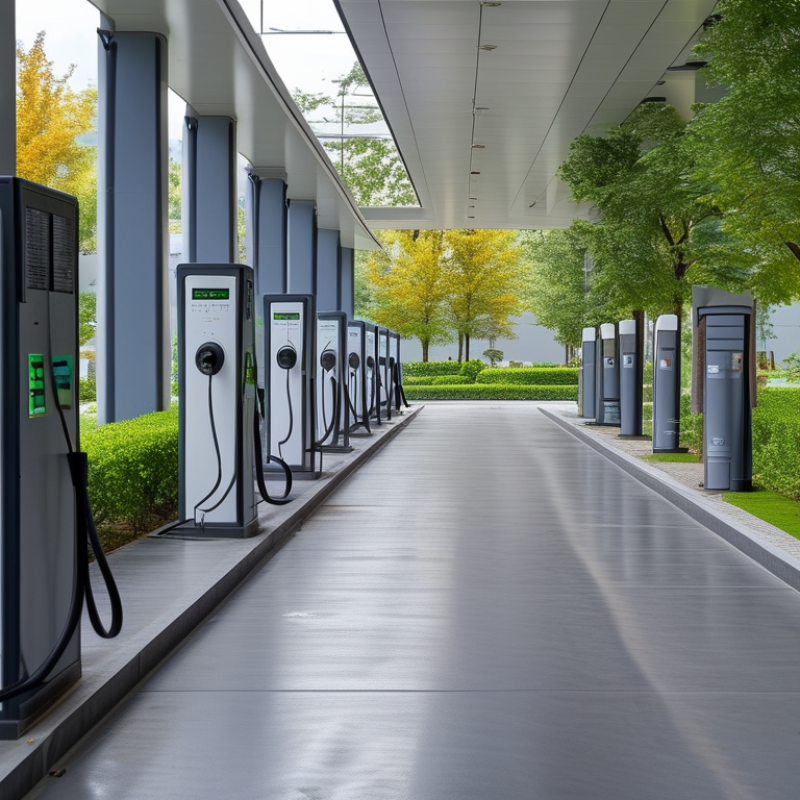
AC charging stations in China are becoming vital as the country embraces electric vehicles. The growing network of these stations caters to the increasing demand for sustainable transportation. Many large cities boast numerous AC charging points, providing drivers with ample access to charging facilities.
In urban areas, stations are strategically placed near shopping centers and parks. This accessibility makes it easier for drivers to charge while they shop or relax. However, the distribution is still uneven, with some regions lacking adequate support. Urban drivers often find themselves navigating an incomplete map of charging options.
Moreover, many stations face operational challenges. Outdated technology at some locations can lead to longer wait times for drivers. Users are often frustrated by non-functional equipment. This inconsistency highlights the need for ongoing improvements in service quality. As more people switch to electric vehicles, enhancing the reliability of AC charging stations is crucial for fostering a truly sustainable future.
When selecting the top AC charging stations in China, several criteria emerge as essential. One important factor is the charging speed. Many electric vehicles (EVs) can handle different charging rates. According to recent industry reports, a station with higher kW ratings can significantly reduce charging time. Buyers should also consider the location accessibility of these stations. Stations close to commercial areas or major highways are invaluable.
Another key aspect is the reliability of the charging network. Data reveals that downtime for stations can negatively impact user experience. Consumers often prefer networks with a consistent uptime record. Additionally, user interface and technology integration play critical roles. Stations with user-friendly apps and contactless payment options enhance the charging experience.
Tips for selecting charging stations include looking for user reviews and ratings. Feedback from other users can reveal reliability and convenience. It's also wise to assess if the station has a maintenance plan in place. Stations that perform regular checks tend to offer better service. Lastly, consider the overall infrastructure support in the area, as this can affect future growth and availability of EV resources.
In recent years, China's electric vehicle (EV) market has experienced exponential growth. Supporting this surge, charging infrastructure has become critical. According to data from Bloomberg New Energy Finance, the number of public EV charging stations in China surpassed 1.8 million by 2021. This abundance makes it an ideal market for global buyers exploring AC charging stations.
Key factors drive the reliability of AC charging stations in China. First, many urban areas have focused on improving accessibility. Cities like Beijing and Shanghai offer easy access to these facilities. Moreover, industry reports from the China Electric Vehicle Charging Infrastructure Promotion Alliance indicate that AC charging accounts for nearly 80% of all public charging points. This emphasizes the prevalence of AC stations in the market.
However, challenges remain. Many charging stations experience congestion during peak hours. User experiences can vary significantly. A 2022 survey revealed that 30% of users faced difficulties finding available charging locations. This indicates a need for better planning and management. Enhancing real-time data availability could improve user experiences and efficiency. Overall, while the AC charging network in China is robust, continuous improvement is necessary to meet the growing demand.
| Rank | Charging Power (kW) | Connector Type | Compatibility | Location | Monthly Usage (Estimated) |
|---|---|---|---|---|---|
| 1 | 7 | Type 2 | Compatible with most EVs | Beijing | 1000 |
| 2 | 11 | CCS | Tesla, Nissan | Shanghai | 800 |
| 3 | 22 | Type 1 | Most EVs from Japan | Guangzhou | 600 |
| 4 | 7 | Type 2 | General EVs | Shenzhen | 900 |
| 5 | 11 | CCS | Compatible with most EVs | Chengdu | 500 |
| 6 | 22 | Type 1 | Asian electric vehicles | Hangzhou | 450 |
| 7 | 15 | CCS | European EVs | Nanjing | 400 |
| 8 | 7 | Type 2 | Widespread compatibility | Wuhan | 350 |
| 9 | 11 | CCS | Tesla and others | Xi'an | 300 |
| 10 | 7 | Type 2 | Compatible with most | Tianjin | 250 |
When it comes to electric vehicle (EV) charging in China, several stations stand out for their key features. Charge points are often strategically located near amenities. This convenience attracts drivers looking to multitask during charging. Many stations boast high charging speeds, allowing drivers to quickly top off their vehicles. Fast charging can save valuable time on long journeys, which is essential for busy commuters.
Sustainability is another appealing aspect of these charging stations. Many utilize renewable energy sources, aligning with global trends towards environmental responsibility. User-friendly interfaces make the charging process intuitive. Clear signage often enhances the overall experience for drivers unfamiliar with the area. However, issues such as availability can sometimes diminish reliability, leaving drivers frustrated if multiple cars are waiting.
Security features play a critical role in the effectiveness of charging stations. Surveillance cameras are commonly installed to deter vandalism and theft. Additionally, many stations offer mobile app integration for reservations and digital payments. Yet, personalizing the user experience remains a work in progress. Balancing efficiency with convenience is a challenge that many charging networks continue to navigate.
China's AC charging infrastructure is evolving. According to a report from the International Energy Agency, the number of AC charging points reached over 1 million in 2022. This growth reflects a broader commitment to electric mobility. However, there are critical gaps in the system that need addressing.
Many charging stations face reliability issues. Users often report downtime or inconsistent service quality. This can deter potential electric vehicle (EV) buyers, hindering overall adoption rates. A survey revealed that approximately 30% of users experienced difficulties in finding operational charging stations. This inconsistency highlights the need for a more robust service network.
Moreover, the expansion of AC charging may not keep pace with demand. The Global EV outlook suggests that by 2030, China could need up to 10 million public charging points to accommodate a projected 50 million EVs. Current expansion efforts may struggle to meet this target. Strategic planning, investment, and innovative solutions will be crucial going forward. Addressing these challenges will enhance user experience and support the growing EV market in China.
We are here to help you with all your queries and concerns, just write to us using the below form and we will get back to you as soon as we can.