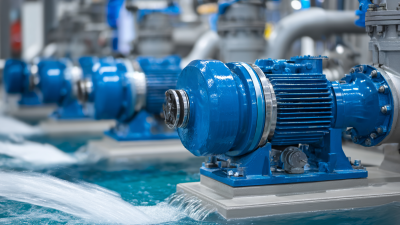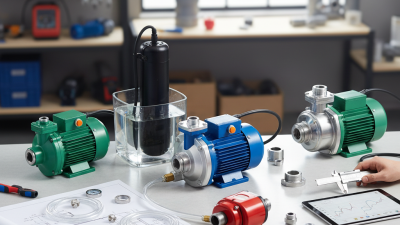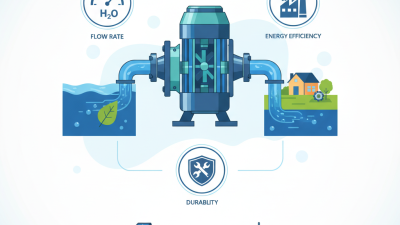
Efficient irrigation is key to successful agriculture. The use of "water with pump" plays a vital role in ensuring adequate water supply for crops. John Smith, an irrigation expert, emphasizes, “Proper water management is crucial for agricultural sustainability.” This highlights the importance of using the right tools.
Water with pump systems offer several benefits. They ensure uniform water distribution, reducing waste. Farmers can manage their time better. However, some face challenges with pump maintenance and energy consumption. It's essential to evaluate these factors regularly.
Moreover, adopting modern technologies can enhance efficiency. It's not without its flaws, though; initial costs may deter some farmers. Balancing budget and technology is crucial in today's competitive market. Ultimately, "water with pump" systems are transforming irrigation methods, but constant reflection and improvement are necessary.
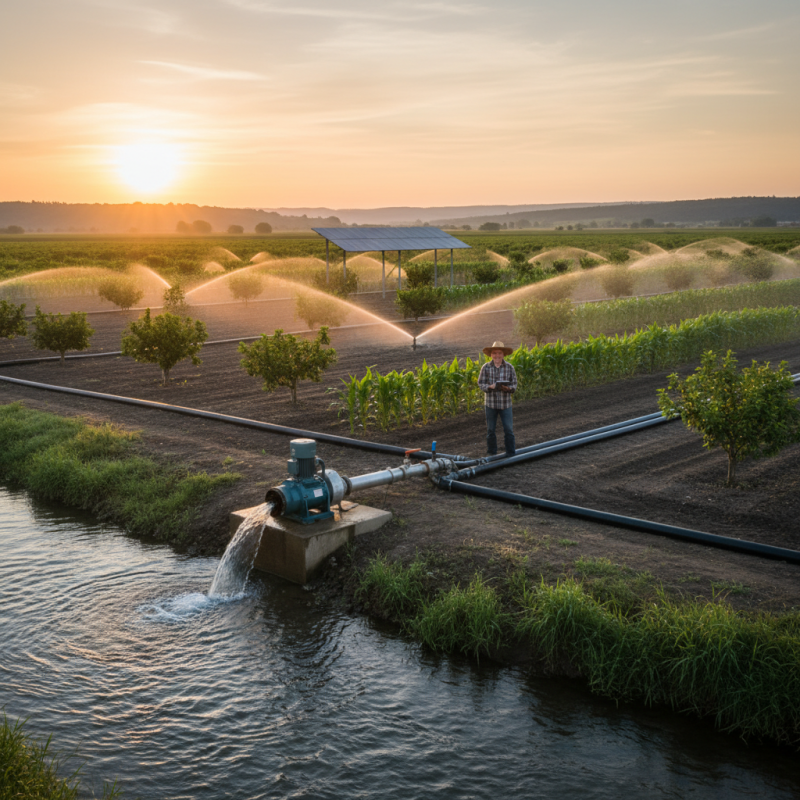
Pump-driven water systems have transformed agricultural irrigation. They allow for precise water delivery to crops. Farmers can target specific areas needing moisture. This control minimizes water waste. Irrigation becomes more efficient, ensuring that every drop counts.
Using pumps for irrigation also improves water pressure. This leads to better penetration into the soil. Crops receive water at optimal levels. Sometimes, however, pumps can fail. Regular maintenance is crucial, which requires time and resources. This aspect can be challenging for busy farmers.
Another benefit is scalability. Smaller farms can use pumps without massive investments. Larger operations also find them beneficial. The flexibility to adapt is significant. Yet, understanding the correct pump size and type is vital. Misjudgments can waste energy and money. Farmers must research and consider their options carefully to avoid common pitfalls.
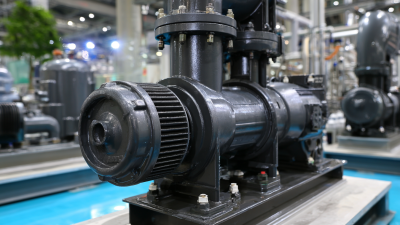
Efficient irrigation relies heavily on the quality of water pressure. Enhanced water pressure can dramatically improve crop yields and growth rates. When crops receive adequate water consistently, they flourish better. High pressure ensures water reaches every corner of the field evenly. This ensures that plants grow more uniformly, reducing competition for resources.
Tips: Monitor your water pressure regularly. This will help you optimize irrigation settings. Use gauges to check that pressure levels are sufficient. Adjustments may be necessary depending on weather conditions.
Moreover, proper water distribution is vital. Uneven watering can lead to over-saturation in some areas while leaving others dry. This imbalance can stunt growth in certain plants. When pressure is optimized, even the furthest plants receive water. Thus, achieving a healthy and productive crop.
Tips: Utilize drip irrigation to focus water where it’s needed most. This technique conserves water while maximizing efficiency. Ensure that all lines are clear to maintain water flow. Regular checks can prevent unnoticed blockages.
| Benefit | Description | Impact on Crop Yield (%) | Growth Rate Improvement (Days) |
|---|---|---|---|
| Consistent Water Supply | Pumps ensure a reliable flow of water, preventing dry spells. | 25% | 3 days |
| Improved Water Pressure | Higher pressure allows for deeper penetration into the soil. | 30% | 2 days |
| Efficient Resource Use | Drip systems with pumps reduce water waste and optimize usage. | 20% | 4 days |
| Enhanced Soil Aeration | Proper irrigation promotes air circulation in the soil. | 15% | 1 day |
| Disease Control | Proper watering helps in preventing root diseases. | 10% | N/A |
Using water with a pump for irrigation can be a game-changer for farmers. Pump-assisted systems can significantly reduce water wastage. Unlike traditional methods, these systems deliver water directly to the root zone. This focused approach helps crops thrive while using less water.
Cost-effectiveness is a major advantage. Farmers can save on water bills and reduce labor costs. While initial setup might seem high, the long-term benefits are worth considering. Efficient systems can yield better harvests with less water. Over time, this can lead to increased profits.
However, not all farms are suitable for pump-assisted irrigation. Some may face challenges with soil type or water availability. These factors can complicate the decision to switch from traditional methods. Reflection on the unique needs of each farm is essential. Adjustments may be necessary to fully embrace this technology.
This bar chart illustrates the cost-effectiveness of pump-assisted irrigation compared to traditional irrigation methods. As shown, pump-assisted irrigation significantly reduces the cost per acre, demonstrating its efficiency and economic benefits.
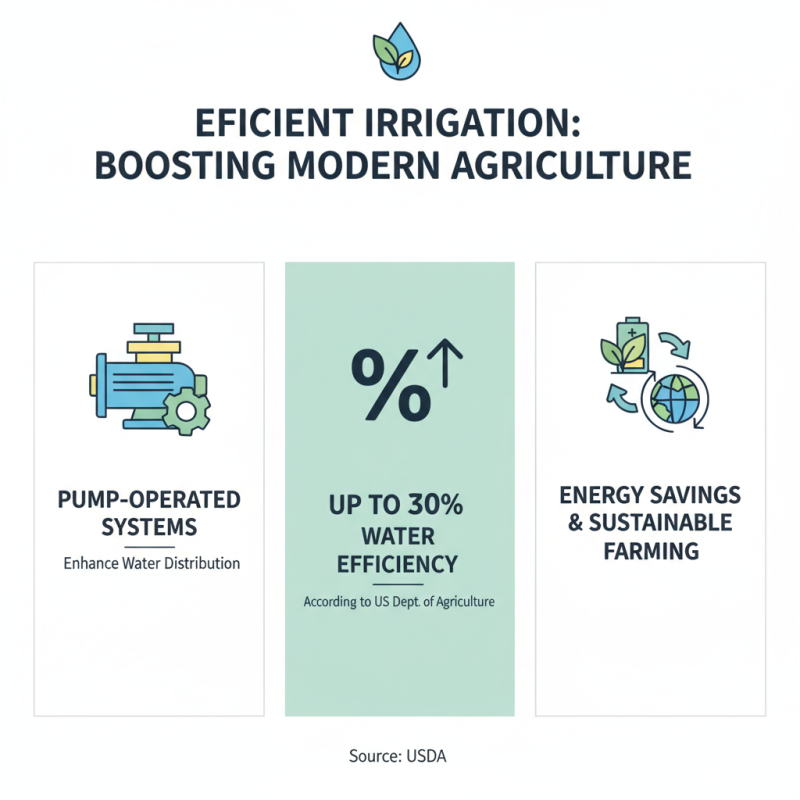
Efficient irrigation systems play a vital role in modern agriculture. Pump-operated systems enhance water distribution, making them a popular choice among farmers. According to the U.S. Department of Agriculture, these systems can boost water efficiency by up to 30%. This efficiency leads to significant energy savings and promotes sustainable practices in farming.
Energy efficiency in pump-operated systems can greatly reduce costs. A study by the International Energy Agency shows that optimizing pump systems can save up to 40% of energy usage. This reduction translates into lower operational costs, making farming more sustainable and profitable. However, poor maintenance can lead to inefficiencies, demanding regular checks and updates.
Tips: Implementing smart irrigation controllers can aid in energy savings. Regular maintenance checks keep systems running smoothly. Remember, even small adjustments can lead to improvements. Sustainability demands careful thought. Relying heavily on pumps without considering renewable energy sources may not be ideal. Evaluating the total energy mix of your irrigation strategy is essential.
Irrigation systems are crucial for agriculture. However, their efficiency varies significantly. A comparative analysis reveals that pump systems often outperform gravity-fed systems in water distribution uniformity. According to the USDA's report, pump systems can achieve up to 90% uniformity in water application. In contrast, gravity systems typically offer around 60% uniformity. This discrepancy highlights a tangible advantage.
Water pressure plays a key role. Pump systems distribute water evenly across the fields, ensuring every plant receives adequate moisture. In contrast, gravity systems can create pooling in low areas, leaving other regions dry. This uneven distribution directly affects crop yields. Studies show that uneven irrigation can lead to a 20% decrease in crop productivity.
Yet, reliance on pump systems is not without drawbacks. The initial installation costs can be high. Plus, pumps require ongoing maintenance and energy, which can lead to increased operational expenses. Farmers must weigh these factors carefully. Not every situation benefits from pumps. Soil types and field layouts can complicate decisions. Thus, reflection is essential in choosing the right irrigation strategy.
We are here to help you with all your queries and concerns, just write to us using the below form and we will get back to you as soon as we can.