
The global box manufacturing industry is evolving rapidly. According to a report by Smithers Pira, the packaging market is expected to grow to $1 trillion by 2024. This surge places immense pressure on manufacturers to optimize production processes. As a result, choosing the right Box Manufacturing Machine becomes critical for businesses aiming to enhance efficiency.
Investing in quality machinery is vital. Advanced machines increase output and ensure precision in production. Features such as automation and energy efficiency can significantly reduce operational costs. The demand for customized boxes is also rising, necessitating flexible manufacturing solutions. However, not all equipment meets quality standards. Buyers must conduct thorough research to avoid pitfalls.
While numerous options exist, identifying the best fit requires careful consideration. Industry experts suggest evaluating supplier credentials and machine reviews. An informed decision can yield significant returns. The right Box Manufacturing Machine can transform manufacturing capabilities, but the process is complex. Each choice carries risks and rewards, making careful evaluation essential for long-term success.
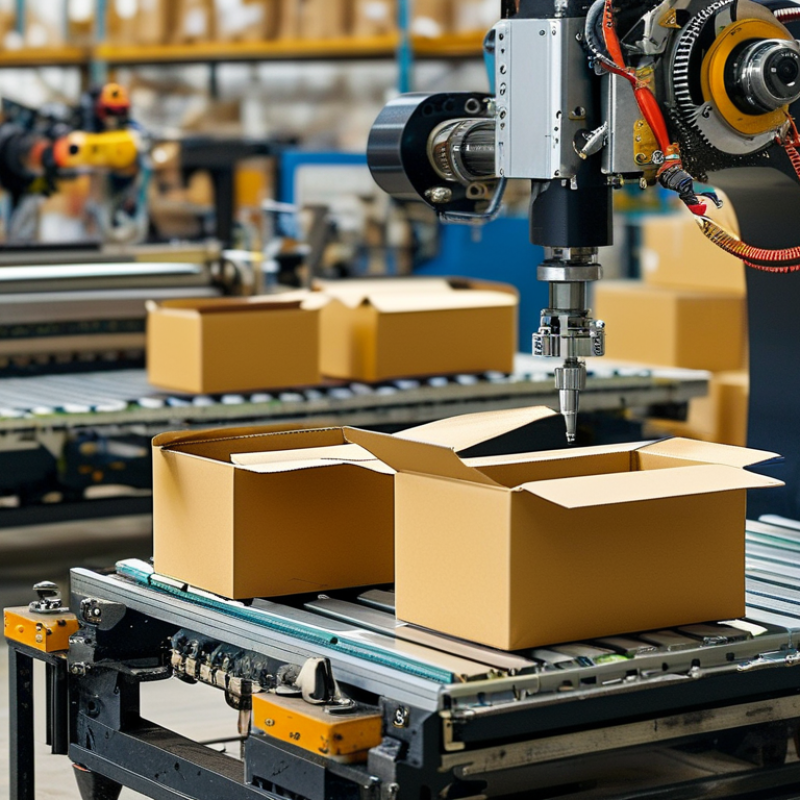
When considering top box manufacturing machines, buyers must understand the types available globally. These machines vary in design and functionality. Each type caters to specific production needs. There are manual, semi-automatic, and fully automatic machines to choose from. Manual machines require hands-on operation, while automation makes the process efficient.
Investing in the right machine means evaluating production volume. Understand the demands of your market. High-volume producers might lean towards fully automated options. This ensures quick turnaround times and consistency in quality. However, smaller operations may find semi-automatic machines more suitable. They balance cost and efficiency.
Tip: Always assess the space available for installation. A compact machine may offer flexibility for smaller setups. Keep maintenance in mind, as it affects long-term productivity. Regular checks can prevent unexpected downtimes. Reflect on these details before making a purchase. Each machine option has its pros and cons, which can affect your overall production strategy.
| Machine Type | Production Capacity (boxes/hour) | Power Consumption (kW) | Dimensions (L x W x H, mm) | Weight (kg) |
|---|---|---|---|---|
| Semi-Automatic Top Box Machine | 300 | 3.5 | 2000 x 800 x 1500 | 500 |
| Fully Automatic Top Box Machine | 600 | 5.5 | 2500 x 1200 x 1600 | 800 |
| High-Speed Top Box Machine | 1000 | 7.5 | 3000 x 1500 x 1800 | 1200 |
| Multi-Function Top Box Machine | 450 | 4.0 | 2200 x 900 x 1550 | 650 |
When selecting a box manufacturing machine, understanding key features is essential. Buyers should focus on the machine's versatility. Machines that can produce various box sizes and styles offer flexibility. This adaptability is crucial for meeting diverse customer demands.
Speed and efficiency are also vital. A machine that operates quickly can boost productivity. However, high speed should not compromise quality. Buyers need to balance these factors carefully, ensuring that output meets standards while maintaining quick turnaround times. Monitoring quality control systems will help spot defects early.
Reliability plays a significant role in a machine's overall performance. Frequent breakdowns lead to loss of time and money. It's important to evaluate warranty terms and maintenance support. Machines that require minimal downtime can enhance operational efficiency. Reflecting on these components can lead to better decision-making.
When considering box production machines, buyers must focus on quality and reliability. The market offers various manufacturers catering to distinct needs. Some specialize in high-speed operations, while others prioritize energy efficiency. The right choice depends on specific production requirements and budget constraints.
Several brands have built strong reputations for delivering high-performance machines. These manufacturers often provide excellent customer support and extensive warranties. This can lead to long-term partnerships and trust between buyers and suppliers. A crucial element is the availability of replacement parts and technical assistance.
However, buyers must also be aware of potential pitfalls. Overlooking the importance of machine maintenance can lead to unexpected costs and downtime. Additionally, the complexity of certain models may require specialized training for operators. While automation offers efficiency, it also comes with a learning curve that can't be ignored. Understanding these aspects is essential for making an informed decision.
When considering box manufacturing equipment, cost analysis plays a crucial role. An initial budget is vital, but hidden costs often surface. For instance, maintenance fees can accumulate over time, affecting overall expenses. The cost of raw materials must also be factored in. Fluctuations in material prices can impact profitability. It's essential to establish a reliable supply chain to mitigate these risks.
In terms of equipment, consider the efficiency of the machines. High-speed options may seem attractive but often come with a hefty price tag. Slower machines can be more economical and suitable for smaller operations. Analyze your production needs closely. Understand your output requirements and assess the technology that fits. Overbuying machinery leads to wasted resources. Selecting the right equipment within budget is key.
Don't overlook training costs for your team. Operators need to understand the machines fully. Neglecting proper training can cause delays and errors in production. Additionally, research financing options. Leasing can alleviate upfront costs but may increase long-term expenses. Balancing short-term savings and long-term investments is challenging. A deeper reflection on your operational needs ultimately guides the best choices.
The future of box manufacturing technology is indeed fascinating. Industry reports indicate a projected growth of 4.9% in the box manufacturing market by 2028. This growth is driven by an increasing demand for sustainable packaging solutions. Companies are shifting towards eco-friendly materials. Innovations in bioplastics and recycled materials are notable developments.
Automation is another trend shaping this sector. Advanced machinery equipped with AI can enhance production efficiency. According to a recent study, automated systems improve output by up to 30%. Yet, the initial investment can be daunting for smaller manufacturers. There’s a need for a balanced approach to embrace these technologies without overspending.
Moreover, the integration of IoT in machines is revolutionizing monitoring and maintenance. Real-time data analytics helps optimize production lines. Some manufacturers still underestimate the importance of such technology. Failure to adapt may lead to inefficiencies and potential losses in market share. Staying informed and proactive is crucial in this evolving landscape.
We are here to help you with all your queries and concerns, just write to us using the below form and we will get back to you as soon as we can.