In the world of water and pumps, the demand for high-quality products continues to rise. Experts emphasize the importance of reliable pumps in various sectors. John Smith, a leading authority in water systems, once stated, “Quality in water and pumps leads to efficiency and sustainability.” This quote underlines the critical role that quality plays in the effectiveness of water management.
China emerges as a major player in this industry. Their innovations and manufacturing capabilities attract global buyers. With strict quality controls and advanced technology, Chinese water pumps meet international standards. Buyers often seek products that ensure durability and efficiency, making China a go-to source.
While many products are available, challenges persist. Not all manufacturers prioritize quality, causing potential reliability issues. Buyers must research thoroughly. It's vital to balance cost with quality to make informed decisions. In this rapidly evolving market, understanding the options can lead to better outcomes in water management.
China is home to numerous water pump manufacturers. Many of these companies are gaining global recognition. They supply a wide range of products, from residential pumps to industrial solutions. The market is competitive, and quality varies. Buyers must carefully evaluate their options.
When choosing a water pump, consider material quality. Durable materials ensure longevity and reliability. Efficiency is another critical factor. An efficient pump saves energy, which reduces costs over time. Look for pumps that meet international standards, as this indicates reliability.
Tips: Research each manufacturer’s reputation. Customer reviews offer insights into their performance. Don’t skip checking after-sales support, as this can prevent future issues. Buying from a reputable source builds trust in product quality. Always prioritize your specific needs over brand names.

This chart illustrates the estimated annual sales volume (in thousands) of various types of water pumps manufactured in China, showcasing the market demand trends for global buyers.
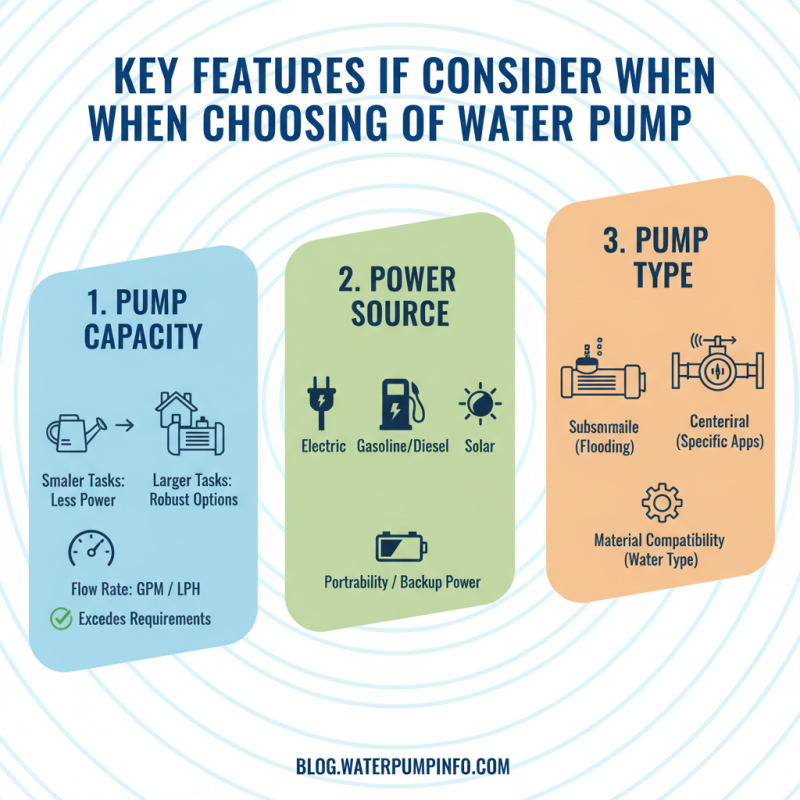
When choosing a water pump, several key features require consideration. First, assess the pump’s capacity. Determine how much water you need to move. Smaller tasks may need less power, while larger ones demand robust options. Pumps are rated by flow rate, measured in gallons per minute or liters per hour. Choose one that meets or slightly exceeds your requirements.
Next, think about the type of pump you need. Submersible pumps operate underwater, while centrifugal pumps move water through impellers. Each type serves different purposes. Moreover, check the material of the pump. Durable materials like stainless steel offer longevity. However, these materials can add to the cost.
Lastly, consider energy efficiency. A pump with higher efficiency saves on energy bills. But, more efficient models often come with a higher initial price. Don't forget maintenance requirements. Some pumps need regular service, while others are relatively low maintenance. Balancing these factors is essential for a wise investment.
China has a robust market for water pumps, catering to various sectors, including agriculture, construction, and municipal services. Among the popular types, centrifugal pumps are widely used for their efficiency in moving water swiftly. They are essential for irrigation and industrial applications.
Submersible pumps are also prevalent, favored for their ability to function underwater. They are ideal for wells and aquifer drawdown projects.
As per a recent industry report, the demand for water pumps in China is projected to grow at a CAGR of 5.7% over the next five years. This growth is driven by urbanization and the increasing need for efficient water management systems. However, some buyers might find the wide array of options overwhelming. It's crucial to assess the specific requirements before making a decision. Not every pump suits every application.
Tips:
Water pump demand is rising globally due to various factors. Industries require efficient water management solutions. Urbanization and agricultural needs drive this growth. Countries are investing in infrastructure. This creates opportunities for manufacturers. However, the supply chain can be unpredictable. Shipping delays and material shortages present real challenges.
Tips: When selecting a water pump, consider the specific application. Assess the water flow rate needed. Not all pumps are designed for heavy-duty use. Choosing the right material is crucial for longevity.
Regional preferences also shape the market. Buyers look for energy efficiency and durability. Trends indicate a shift toward sustainable practices. Eco-friendly options are gaining traction. However, this can lead to higher initial costs.
Tips: Research local regulations on water pumps. Compliance can impact project timelines. Engage with suppliers who understand your market needs. This can avoid miscommunications and ensure better service.
| Type of Water Pump | Flow Rate (m³/h) | Max Head (m) | Power Consumption (kW) | Material |
|---|---|---|---|---|
| Submersible Pump | 50 | 30 | 5.5 | Stainless Steel |
| Centrifugal Pump | 100 | 50 | 7.5 | Cast Iron |
| Diaphragm Pump | 30 | 15 | 3 | Plastic |
| Peristaltic Pump | 20 | 10 | 1.5 | Rubber |
| Gear Pump | 40 | 20 | 4 | Aluminum |
Navigating the water pump market in China can be challenging for international buyers. Understanding local regulations is critical. Different regions may have varying standards. Familiarity with these can save time and avoid costly mistakes. Therefore, do thorough research before engaging with suppliers.
Networking plays a significant role in this process. Building relationships with reliable local partners can be beneficial. They offer insights into the market and help in quality assurance. Attend industry trade shows to meet potential suppliers. This face-to-face interaction often leads to more fruitful negotiations.
Quality control is another vital consideration. Ensure that the products meet international standards. It's advisable to request samples before making bulk orders. Sometimes, the first samples might not be ideal. Be prepared to ask for adjustments. Always maintain open communication to clarify expectations for product specifications.
We are here to help you with all your queries and concerns, just write to us using the below form and we will get back to you as soon as we can.