China Top Feather Meal Processing Machine Manufacturer
Choosing a China Top Feather Meal Processing Machine Manufacturer requires more than comparing equipment prices. A dependable Feather Meal Processing Machine must handle feathers consistently through hydrolysis, drying, and grinding. Each stage affects the final meal’s moisture, texture, and handling properties. Buyers should ask how the manufacturer controls temperature, pressure, residence time, and material flow. They should also request clear specifications, maintenance guidance, and commissioning support. Small details matter. A clogged discharge point or uneven drying can disrupt an entire production shift. Dr. David L. Meeker, a recognized rendering-industry author, has described rendering as “the original recycling industry.” That principle applies here: well-designed processing can turn poultry by-products into a useful, managed ingredient. The quotation is broad, but the engineering work is specific.
A practical supplier review should include a walkthrough of the process line, not just polished product images. Ask to see how the cooker, dryer, conveyors, and mill work together. Check whether operators can inspect wear parts safely and clean material-contact areas without awkward disassembly. Also ask what performance data supports the stated capacity; real throughput can vary with incoming feather moisture and operating conditions. No machine removes every production challenge. That is worth remembering. A manufacturer’s technical team should explain limits as clearly as benefits. The strongest choice is usually the supplier that documents its process, responds directly to engineering questions, and supports the equipment after installation—not simply the one making the biggest claim.
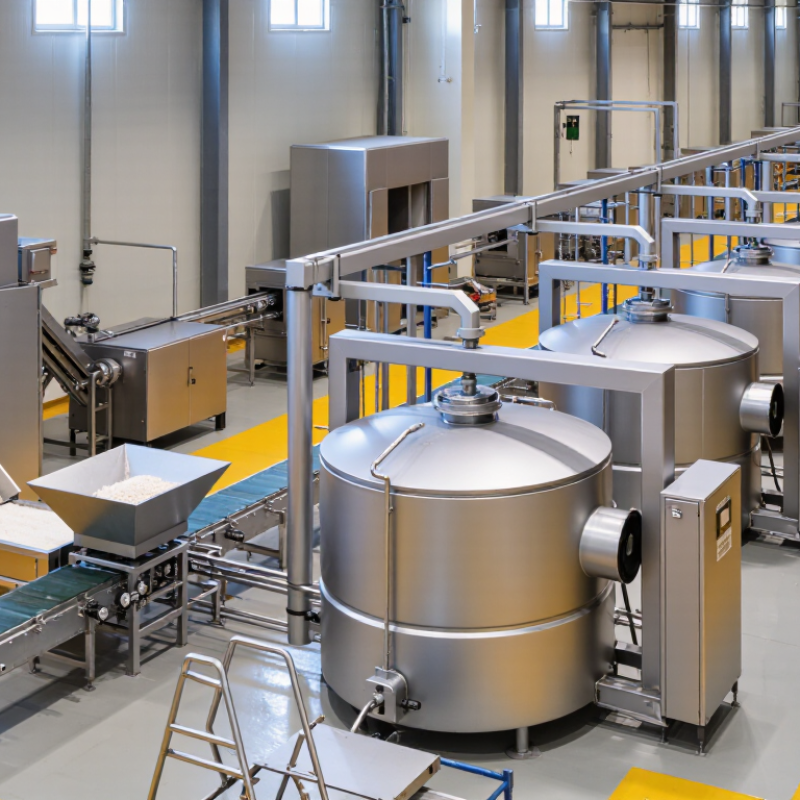
What Is a Feather Meal Processing Machine?
A feather meal processing machine is a connected line, not simply a grinder. It turns cleaned poultry feathers into a dry, milled protein ingredient through controlled hydrolysis, drying, and size reduction. The hydrolyzer uses heat, moisture, and pressure to break down tough keratin. Dryers then remove excess moisture, while mills and screens create a more consistent powder. Conveyors and dust-control equipment help move and contain the material. Small details matter: uneven feed or drying can produce batches with different textures.
Feedipedia’s technical datasheet, compiled with contributions from INRAE, CIRAD, AFZ, and FAO, reports average crude protein of 85.9% of dry matter in feather meal. Its reported sample range is 77.5% to 90.9%. These figures describe analyzed material, not a guaranteed output from every machine. Processing conditions influence the finished product, and protein percentage alone does not show how well animals can use it. That distinction is easy to miss. A practical system therefore needs stable temperature, pressure, and moisture control, plus routine sampling. Even good equipment is not foolproof; moisture readings can mislead, and operators should verify results against laboratory tests.
China Top Feather Meal Processing Machine Manufacturer - What Is a Feather Meal Processing Machine?
| Processing Stage | Typical Equipment | Main Function | Key Process Considerations | Typical Output or Check |
| Raw material preparation | Receiving hopper, conveyor, and sorting or cutting equipment | Receives feathers and prepares them for consistent processing. | Remove unsuitable foreign material and manage incoming moisture and material variability. | Prepared feather feed suitable for the selected process. |
| Hydrolysis | Hydrolyzer or pressure vessel with heating and agitation | Uses controlled heat, moisture, and pressure to break down feather keratin and improve its digestibility. | Time, temperature, pressure, moisture, and loading conditions depend on the equipment, raw material, and applicable process requirements. | Hydrolyzed feather material; process records help verify consistent treatment. |
| Moisture reduction | Dryer, such as a rotary or other industrial dryer | Reduces moisture after hydrolysis to support stable handling and storage. | Drying conditions should be controlled to achieve the required final moisture without unnecessary heat exposure. | Dried material with moisture checked against the intended product specification. |
| Size reduction | Hammer mill or other suitable grinder | Grinds dried material into smaller particles for more uniform handling and use. | Particle size depends on the mill setup, screen selection, and intended product requirements. | Ground feather meal with a more consistent particle size. |
| Screening and conveying | Vibrating screen, conveyor, and dust-control equipment | Separates particles by size and transfers product between process stages. | Screen openings are selected for the target specification; enclosed transfer and dust collection can help manage airborne particles. | Screened product and, where applicable, material returned for further size reduction. |
| Storage and packing | Storage bin, weighing system, and bagging or bulk-loading equipment | Stores and packages finished feather meal for transport or further use. | Protect the product from moisture and contamination, and use packaging suited to the distribution method. | Packaged or bulk product with recorded weight and batch identification. |
A feather meal processing machine is generally part of an integrated system for treating, drying, grinding, and handling feathers. Equipment configuration and process settings vary with raw material, product specifications, and applicable regulations.
How Feather Meal Processing Works
How Feather Meal Processing Works
Feather meal processing turns wet feathers into a dry, usable protein ingredient. The line usually begins with sorting and draining. Stones, metal, and excess water can disrupt later stages. Small details matter. A steady feed rate helps the equipment handle changing loads.
The feathers then enter a pressure vessel, where heat and moisture soften their tough keratin structure. This hydrolysis stage needs controlled time, temperature, and pressure. Too little treatment may leave feathers poorly digestible; too much can damage nutrients. Operators monitor readings and inspect material between batches. A clean-looking batch is not always a uniform one.
After treatment, the material moves through a dryer until its moisture level is suitable for milling and storage. A grinder reduces the dried product to a more consistent particle size, and a screen can separate oversized pieces for reprocessing. Dust control and regular cleaning help keep the work area manageable. The process is practical, but not foolproof. Changes in feather moisture or batch size may require adjustments. Finished meal should be tested for moisture, protein, and particle consistency before use in feed formulations.
Key Components and Technical Features
China Top Feather Meal Processing Machine Manufacturer
Key Components and Technical Features
A reliable feather meal line begins with steady feeding and a guarded size-reduction unit. Uniform pieces help steam reach the material evenly. The core is a pressure hydrolyzer, followed by a dryer, hammer mill, screen, and dust collector. Key controls include temperature, pressure, residence time, and motor load. Operators should track these values together, not in isolation.
Small details matter.
Feedipedia, a technical feed database developed by INRAE, CIRAD, AFZ, and FAO, reports that feather meal commonly contains about 80–90% crude protein on a dry-matter basis. That high figure does not guarantee good digestibility. Hydrolysis must open keratin bonds without excessive heat damage.
A practical system uses calibrated sensors, an interlock for pressure changes, and sampling points before and after drying. Moisture checks help prevent caking during milling and storage. A sieve test can reveal uneven particle size.
Not glamorous, but useful. One weak point remains: sensors drift, and operators may miss the trend. Routine calibration and recorded batch data make process adjustments more dependable.
How to Evaluate a Chinese Manufacturer
China Top Feather Meal Processing Machine Manufacturer
How to Evaluate a Chinese Manufacturer
Evaluate the process, not just the machine’s appearance. Ask for a trial using your own raw feathers and request written results for throughput, final moisture, energy use, and product consistency. Feedipedia’s hydrolysed feather-meal datasheet reports crude protein commonly around 80–90% of dry matter, with variation between samples. This makes reliable hydrolysis and drying important. Ask the manufacturer to record operating conditions and provide independent laboratory results for the trial material. Numbers matter.
Check whether the supplier can explain the full line, including feeding, hydrolysis, drying, grinding, and dust collection. Request equipment drawings, material specifications, wear-part lists, and a clear service plan. A clean showroom is reassuring, but it proves little about handling wet, sticky feathers day after day. Ask to speak with an existing customer, ideally one processing similar volumes and raw materials. Some answers may remain vague; note that and follow up in writing.
Tips: Compare guarantees against measured trial data, not brochure claims. Confirm spare-part lead times and installation support before paying a deposit. Ask for a sample of the finished meal and have it tested by an independent laboratory.
How to Evaluate a Chinese Feather Meal Processing Machine Manufacturer
Suggested evaluation weights for comparing manufacturers. These are a practical scoring framework, not industry-wide survey results. Verify each item with documentation, production records, and reference checks.
Prioritize process performance and equipment reliability, then confirm material specifications, safety compliance, after-sales support, and the credibility of the supplier’s references. Adjust the weights to suit your project requirements.
Applications, Quality Standards, and After-Sales Support
Feather meal processing equipment serves rendering plants that turn cleaned poultry feathers into a protein-rich feed ingredient. Typical lines use hydrolysis, pressing, drying, and milling; each stage affects moisture and particle size. The finished meal may be used in formulated animal feeds where permitted and nutritionally suitable. It is not plug-and-play.
Buyers should inspect material-contact surfaces, welds, seals, and access panels before commissioning. Ask for documented capacity, energy use, temperature controls, and finished-product moisture targets. A supplier’s test run should use representative raw material, not only an ideal sample. Small details matter. Product quality also depends on incoming feathers and process control, so machinery cannot correct every variation.
Useful after-sales support includes installation guidance, operator training, clear maintenance intervals, and spare-parts availability. For example, staff should know how to inspect bearings, clear a blocked screen, and record dryer temperatures. Fit matters, too. Response times matter during downtime, though remote advice may not resolve a mechanical fault. Keep service records. A dependable supplier should explain equipment limits plainly and help adjust the line as production data changes.