Top 10 County Pump Manufacturers for Global Buyers
Choosing a county pump manufacturer for an international project takes more than comparing prices. The right supplier must match the pump to the fluid, operating conditions, and installation site. A clear specification helps. Buyers should confirm required flow, total head, temperature, solids content, and duty cycle before requesting a quote.
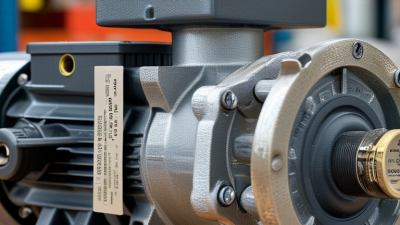
This guide introduces ten manufacturers for global buyers and outlines practical points for comparing them. Product range matters, but so do materials, quality controls, and support after delivery. For example, abrasive water may call for a different impeller and casing than clean process water. A stainless-steel nameplate, test record, or clearly stated seal arrangement can make a quotation easier to assess. Details count.
A polished catalogue is not proof of suitability. Ask for performance curves, applicable test documentation, spare-parts information, and realistic production and shipping estimates. Check that the proposed model meets your operating point, rather than relying on maximum flow figures alone. Local service access may also affect the lifetime cost.
The phrase “county pump” can mean different things in different searches, so use this list as a starting point, not a final endorsement. Manufacturer capabilities and product availability can change. Verify current specifications directly with each company, and review the exact configuration before placing an order. A little uncertainty is useful here; pump selection depends on the actual site, not just a name on a list.
Understanding County Pumps and Their Industrial Applications
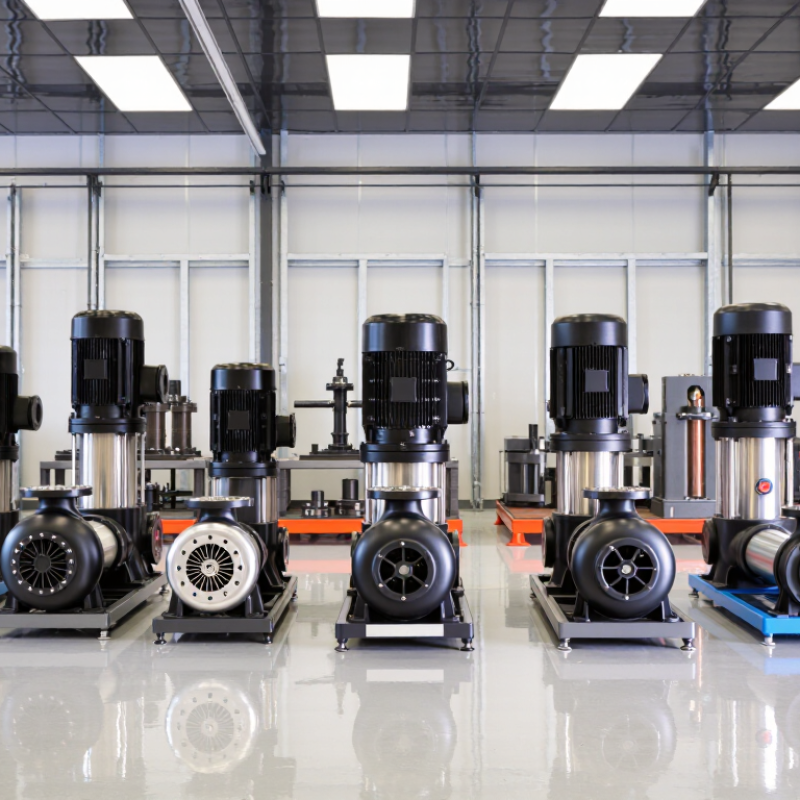
County pumps are not one distinct pump design; the term often refers to equipment serving county utilities and public works systems. These pumps move clean water, wastewater, and stormwater through treatment plants, reservoirs, and drainage networks. At a water facility, operators may use centrifugal pumps to maintain steady flow between treatment stages. Wastewater stations often need pumps that can handle solids without frequent blockage. During heavy rain, drainage pumps help move water away from roads and low-lying areas. Small details matter.
Choosing a pump starts with the job, not just the pipe size. Engineers check required flow, total head, liquid temperature, solids content, and expected operating hours. Materials must suit the fluid; a mismatch can lead to corrosion or early wear. Energy use also matters, since a pump running around the clock can become a major operating cost. Regular checks of seals, vibration, and motor temperature can reveal problems before service is interrupted. Still, calculations can miss real site conditions: pipe layouts change, debris varies, and demand may rise over time. Reviewing maintenance records alongside design data gives buyers a more practical basis for comparing equipment.
Key Criteria for Evaluating Pump Manufacturers
A reliable pump manufacturer should demonstrate that its products match the buyer’s actual operating conditions. Share the required flow rate, total head, fluid temperature, and expected daily operating hours. Ask for a performance curve and recent test documentation for the proposed model. Numbers matter.
Compare the curve with your expected duty point, not just the pump’s maximum rating. For wastewater or fluids with solids, ask how the design handles blockage and wear. Check that wetted materials suit the fluid and that seals and bearings are appropriate for continuous use. A technically impressive pump can still disappoint if its operating range is poorly matched.
Factory quality controls deserve direct questions. Ask how dimensions, pressure, vibration, and output are checked before shipment. Review warranty terms, spare-parts availability, and the response process for technical problems. Global buyers should also confirm voltage, connection dimensions, packaging protection, and the clarity of installation documents. No checklist catches everything. A polished report may not reflect every production batch, so discuss how test records connect to the specific unit being purchased. Look for precise answers, not confident promises.
Key Criteria for Evaluating Pump Manufacturers
Illustrative buyer-evaluation weighting (%) — a suggested decision framework, not a market survey or manufacturer ranking.
Compare suppliers using documented pump performance, applicable certifications, materials, energy use, service coverage, delivery capability, customization, warranty terms, references, and total lifecycle cost. Adjust the suggested weights to match the application and operating conditions.
Top 10 County Pump Manufacturers for Global Buyers
For global buyers, comparing pump manufacturers by country can reveal differences in production scale, engineering strengths, and export readiness. Yet a country ranking alone can mislead. A well-equipped factory may still lack reliable spare-parts support in your region. Check the actual production site, not just the supplier’s sales office. Ask for performance curves, material certificates, test records, and a clear warranty process.
A pump’s suitability often appears in small details: stable flow at the required head, seal materials matched to the fluid, and motor efficiency under real operating conditions. The U.S. Department of Energy’s Improving Pumping System Performance guide notes that pumping systems can account for 25–50% of electricity use in some industrial facilities. That makes lifecycle energy use worth comparing alongside purchase price. Request an efficiency curve at your normal duty point, not only at peak performance. It can feel tedious. It is useful.
Market data also shows why supplier selection matters. Grand View Research estimated the global centrifugal pump market at about US$39.3 billion in 2023 and projected growth through 2030. For buyers comparing manufacturing countries, this broad figure signals a large, competitive market—not proof that every supplier meets the same standard. Confirm applicable test methods, local service coverage, lead times, and access to replacement parts. One overlooked issue is documentation quality; missing or unclear records can slow installation and maintenance. A careful shortlist beats a country label.
Comparing Product Range, Certifications, and Service Support
For global buyers comparing county pump manufacturers, product range matters when duty conditions vary. Check whether each supplier offers end-suction, split-case, submersible, and multistage pumps, then match models to flow, head, fluid, and operating hours. A broad catalogue is not proof of engineering depth. Ask for certified performance curves and a test report for the exact model; a curve that looks smooth may still leave uncertainty near the duty point.
Certifications and service support deserve equal scrutiny. Verify ISO 9001 certificates with the issuing body, and confirm that product approvals, such as CE marking, apply to the specific model and destination market. The U.S. Department of Energy’s Improving Pumping System Performance: A Sourcebook for Industry reports that pumping systems use nearly 20% of global electricity demand. Efficiency claims therefore need documented test conditions, not just catalogue ratings. Ask about commissioning, local spare-parts stock, response times, and access to repair instructions. Small details count. A remote buyer may wait weeks for a seal or bearing. Even a polished service promise can be vague, so request named response targets and confirm who handles warranty claims. A comparison table helps, but it cannot replace a technical review of the actual installation.
How Global Buyers Can Choose the Right Pump Supplier
Choosing a pump supplier starts with the duty point, not a catalogue headline. Share the required flow, total head, fluid temperature, solids content, and operating hours. Ask for a certified performance curve and test results near your actual duty point. A pump that looks suitable on paper may consume more energy or wear faster in the field. The U.S. Department of Energy’s Improving Pumping System Performance: A Sourcebook for Industry reports potential energy savings of 20% to 50% through pumping-system improvements. That makes efficiency evidence worth checking, not just the purchase price.
Compare suppliers on material traceability, quality controls, delivery capacity, and access to replacement parts. Request documented material grades and inspection records for wetted components. Confirm how the supplier handles vibration, leakage, or performance claims, and whether technical support is available across your operating region. Standards such as ISO 5199 can help define technical expectations, but they do not replace project-specific testing. I would also check references for similar fluids and duty cycles; a polished brochure is not operating history.
Tips: Put the duty point, test method, warranty terms, and spare-parts lead time in the quotation request. Compare lifecycle cost, including energy and maintenance. Keep a little skepticism: low upfront pricing can hide long delays for seals or impellers.