
Top 10 DC Charging Connectors for Electric Vehicles Why Choose?

As electric vehicles (EVs) gain popularity, the importance of reliable and efficient Dc Charging Connectors becomes clearer. According to a report by the International Energy Agency (IEA), the number of electric vehicles on the road is expected to reach 145 million by 2030. This surge in demand highlights the necessity for seamless charging solutions. In this fast-evolving industry, one expert, Dr. Emily Tran, emphasizes, "The right DC charging connector can significantly enhance the user experience and charging efficiency."

Market evolution has driven various DC charging connector standards globally, each designed to meet specific needs. Yet, inconsistencies exist. Some connectors may not be compatible with all EV models, which can frustrate users. Furthermore, not all charging stations support multiple connector types. This mismatch could pose challenges as the EV market grows. According to a study by BloombergNEF, effective infrastructure deployment is crucial for EV adoption.

In light of this, understanding the top DC charging connectors is vital for both consumers and manufacturers. With emerging technologies and shifting standards, selecting the right connector remains complex. It's essential to address these challenges to create a robust infrastructure that serves the growing EV community. The future of electric mobility relies heavily on evolving and improving the DC charging connector landscape.
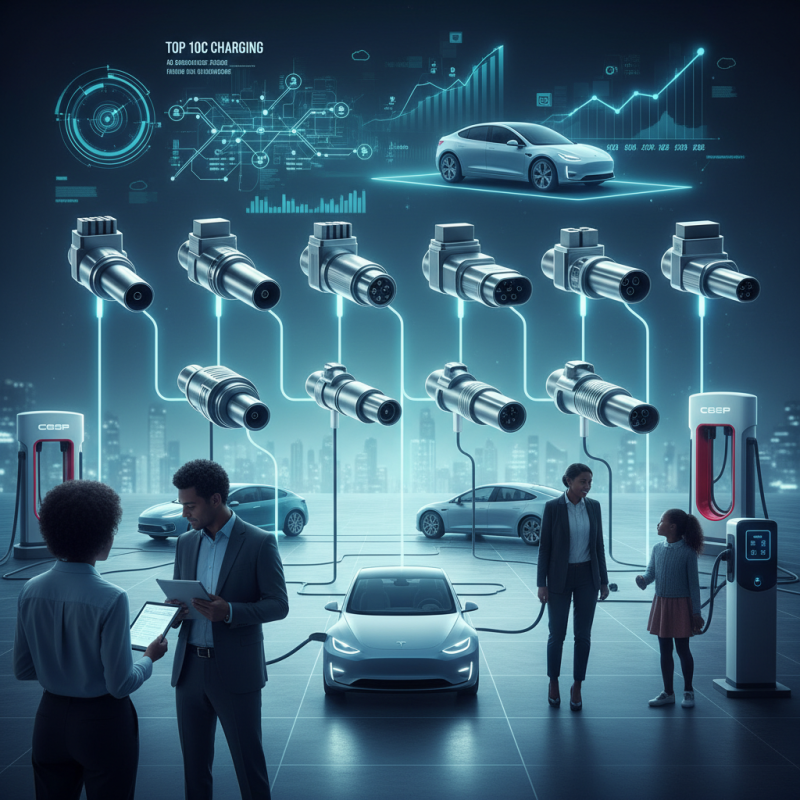
Top 10 DC Charging Connectors for Electric Vehicles Why Choose?

Overview of DC Charging Connectors for Electric Vehicles

DC charging connectors are essential for electric vehicles (EVs). They ensure a fast and efficient charging process. A variety of connectors exist, each with its strengths and weaknesses. Understanding these differences helps users make informed choices.

Different regions prefer specific connector types. For instance, some areas emphasize standardization, while others prioritize versatility. It's essential to consider charging speeds and compatibility. A connector that works in one setting might be less effective elsewhere. Selecting the right connector can seem daunting, given these variations.

As the EV market expands, new technologies emerge. Some connectors support higher power levels, while others remain basic. Choosing wisely can enhance your charging experience. However, not all solutions are perfect. Potential drawbacks include limited availability and varying user experiences. It’s crucial to keep track of developments and adapt to new trends.

Key Features of Top DC Charging Connectors

When selecting DC charging connectors for electric vehicles, it’s essential to focus on their key features. A report from the International Energy Agency notes that as of 2022, there are over 16 million electric vehicles worldwide. This surge in demand emphasizes the need for reliable charging solutions.

One crucial feature is charging speed. Many DC connectors can deliver up to 350 kW of power. This allows vehicles to charge substantially in just 30 minutes. Efficiency is also important; connectors with lower losses contribute to faster, more reliable charging sessions.

Another key aspect is compatibility with various vehicle models. Connectors should support multiple standards, like CCS and CHAdeMO, to accommodate diverse EV technologies. A study by the Electric Power Research Institute revealed that widespread connector compatibility could enhance user experience significantly. However, not all connectors meet these evolving standards. This highlights the importance of continual technological updates in the connector market. Flexibility in design and future-proofing will be necessary as vehicle technology progresses, ensuring that charging infrastructure remains robust and accessible.

Comparison of Popular DC Charging Connector Types

DC charging connectors play a vital role in the electric vehicle ecosystem. They provide a direct current to charge car batteries efficiently. Several types exist, each designed for specific regional standards and vehicle requirements. Understanding these options helps users make informed choices.

The CCS connector is widely used in Europe and North America. It allows for rapid charging and is compatible with many vehicles. Meanwhile, CHAdeMO is popular in Japan. It supports fast charging but is less common elsewhere. The Tesla connector remains proprietary, tailored for Tesla vehicles, ensuring optimal charging speed. Each type comes with unique benefits but also limitations, such as availability and compatibility issues.

As the electric vehicle market evolves, so do charging standards. Users must consider factors like charging speed, vehicle compatibility, and regional availability. Reflecting on personal needs and experiences with these charging systems can lead to better decisions. The landscape of DC charging connectors is complex, and recognizing these details is crucial for every electric vehicle owner.

Factors to Consider When Choosing DC Charging Connectors

When choosing DC charging connectors, several key factors come into play. Connector compatibility is crucial. According to a report by the International Energy Agency (IEA), standardization is growing. Having connectors that support multiple vehicles can enhance usability. Currently, advances in fast charging technologies are reshaping the market landscape.

Safety features are another major consideration. Industry studies suggest that nearly 30% of EV charging issues stem from connector malfunctions. Proper insulation and fail-safe mechanisms can significantly reduce risks. Ease of use is also important. A user-friendly design can promote wider EV adoption.

Charging speed is a critical factor. Some connectors provide fast charging in under 30 minutes. However, high charging rates can increase wear and tear. Durability and reliability should not be overlooked. Reportedly, the lifespan of connectors varies widely, with some rated for over 10,000 cycles. Choosing wisely can save costs and reduce environmental impact in the long run.

Top 10 DC Charging Connectors for Electric Vehicles

Future Trends in DC Charging Technology for EVs

The landscape of DC charging technology for electric vehicles (EVs) is rapidly evolving. Recent industry reports indicate that the global DC fast charging market is projected to reach $30 billion by 2027. Many industry experts emphasize the importance of interoperability among charging connectors as a crucial factor for the growth of this market. As more EVs enter the market, having a unified charging standard is becoming imperative.

The trend towards increased charging speeds is also significant. Current DC chargers can deliver power levels up to 350 kW, allowing for rapid charging times as short as 15 minutes for a substantial range. However, challenges remain. Not all EVs support these higher power levels. Bridging the gap between available charging infrastructure and vehicle compatibility is vital for user convenience.

Smart charging solutions are emerging as another key trend. These technologies analyze grid demand and adjust charging schedules accordingly. Reports suggest that by 2025, nearly 90% of new EVs will have some form of smart capability. Yet, the infrastructure to support this trend is still lacking in many areas. Collaboration among stakeholders remains a hurdle that needs addressing. Investing in training and technology is essential to ensure a robust, future-ready charging network.

Top 10 DC Charging Connectors for Electric Vehicles

Connector Type Output Power (kW) Charging Speed (miles/hour) Standardization Future Trends
CCS (Combined Charging System) 150 300 Yes Integration with renewable energy sources
CHAdeMO 62.5 125 Yes Expansion to global markets
GB/T (China Standard) 240 480 Yes Dominance in Asia
Tesla Supercharger 250 500 No Network expansion and improvement
IEC 62196 Type 2 43 86 Yes Increasing compatibility with global standards
NEMA 5-15 1.4 3 No Home charging solutions
NEMA 14-50 9.6 20 No Popular for at-home charging
Type 1 (SAE J1772) 7.2 15 No Transitioning to newer standards
Type 3 22 50 Yes Growing adoption in Europe
Tolling Connectors Varies Varies No Adoption in tolling systems

Our dedicated sales and support staff are here to help you identify the ideal pump solution for your needs.

Contact Us