Top 10 Efficient Pumps to Pump Water Effectively?

When it comes to efficiently transporting water, choosing the right pump to pump water is crucial. Various types of pumps exist, each designed for specific needs. Efficiency is not always easy to achieve. Factors like the water source and distance matter a lot.

Whether you need a pump for a small garden or a large agricultural site, understanding your requirements is essential. Some pumps offer speed but may waste energy. Others are reliable but slow. This creates a dilemma for users.

Finding the right balance between efficiency and capacity is key. Not every pump will suit every situation. Sometimes, investment in quality technology pays off. In this guide, we explore the top 10 efficient pumps to pump water effectively and make informed choices.
Top 10 Efficient Pumps to Pump Water Effectively?

Types of Pumps Used for Water Transfer and Their Applications

When it comes to water transfer, various pump types make the process efficient. Centrifugal pumps are common choices. They work by converting rotational kinetic energy into flow. Their design allows for high flow rates and is ideal for moving large volumes of water.

Another type is the positive displacement pump. This pump moves water by trapping a fixed amount and forcing it into the discharge pipe. It’s often used in applications requiring precise flow control. Their effectiveness shines in situations where pressure is needed.

Diaphragm pumps are also significant. They use a flexible diaphragm to create a vacuum that pulls water in. These pumps are excellent for handling sludgy or viscous fluids. However, they may require regular maintenance to ensure optimal performance. One common concern is the wear and tear of the diaphragm over time. Thus, careful monitoring is essential for maintaining efficiency.

Top 10 Efficient Pumps to Pump Water Effectively

Pump Type Flow Rate (GPM) Head (Feet) Efficiency (%) Applications
Submersible Pump 10 - 250 30 - 150 70 - 85 Groundwater, Drainage
Centrifugal Pump 20 - 5000 10 - 300 60 - 90 Irrigation, Water Supply
Gear Pump 5 - 100 20 - 80 75 - 90 Industrial Liquid Transfer
Diaphragm Pump 1 - 75 10 - 50 80 - 95 Chemical Handling, Wastewater
Peristaltic Pump 0.1 - 250 5 - 40 75 - 90 Food Processing, Pharmaceuticals
Vacuum Pump 2 - 100 5 - 50 60 - 85 Vacuum Sealing, Food Storage
Screw Pump 10 - 300 20 - 150 65 - 75 Wastewater, Sludge Handling
Trash Pump 20 - 200 10 - 40 60 - 80 Construction Sites, Flooding
Fountain Pump 10 - 100 10 - 30 70 - 85 Gardens, Decorative Fountains
Hydraulic Pump 10 - 1000 5 - 30 85 - 98 Construction, Industrial Automation

Factors to Consider When Choosing an Efficient Water Pump

Top 10 Efficient Pumps to Pump Water Effectively?

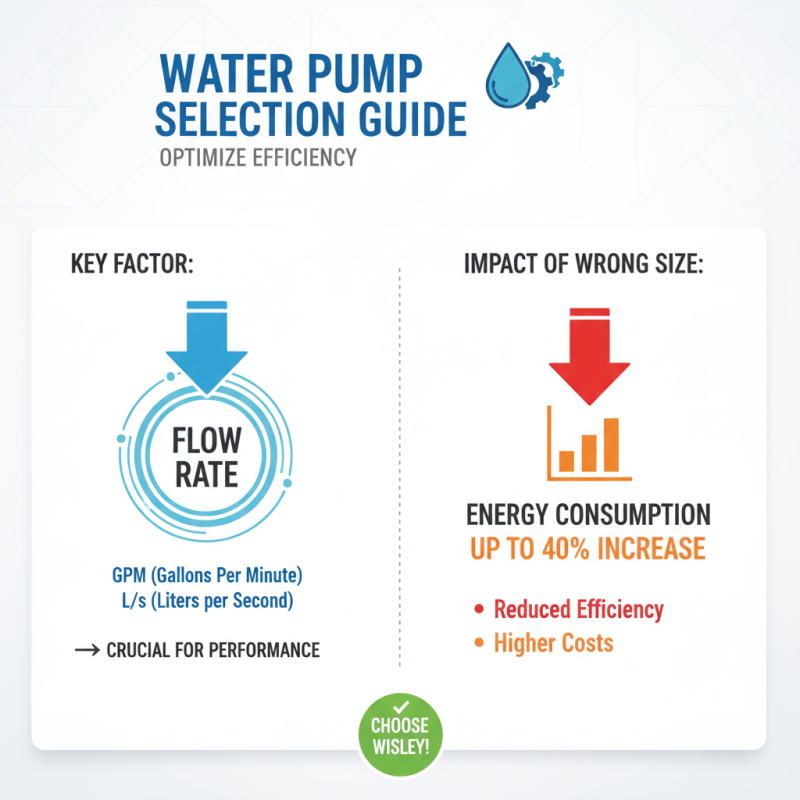
Choosing the right water pump is crucial for efficiency. Several factors should guide your decision. The pump's flow rate is essential. It's measured in gallons per minute (GPM) or liters per second (L/s). Selecting a pump with the appropriate flow rate affects performance and energy consumption. Estimates show that a pump can impact energy usage by up to 40% if not correctly sized.

Power consumption is another key factor. A poorly designed pump can waste energy and lead to higher costs. Reduced efficiency can mean increased wear and tear, potentially shortening pump lifespan. For example, pumps that operate at less than 50% efficiency can incur costs of around $1,000 annually just in energy waste.

Additionally, consider the pump material and design. Some materials perform better in specific conditions. Corrosive environments require durable materials. Installation location also matters. Accessibility for maintenance can impact long-term performance. Ignoring these factors may lead to operational issues. Prioritize efficiency and longevity to make an informed choice.

Top 10 High-Performance Pumps for Residential and Industrial Use

Finding the right pump is crucial for various applications. Residential and industrial needs vary. You may need a quiet pump for home use or a robust one for industry. Performance matters. Efficiency ensures less energy consumption. It also leads to cost savings over time.

High-performance pumps often feature multi-stage designs. This boosts pressure and flow rates. Some models come with adjustable settings. This flexibility can be beneficial. However, not all pumps fit every scenario. Misjudging capacity could lead to problems. Choosing the wrong type may result in inefficiency.

Consider factors like installation space and maintenance requirements. Some pumps require regular checks. If neglected, they can fail unexpectedly. Potential downtime can be expensive. Balancing performance and practicality is essential. Evaluate your specific needs carefully before making a choice. The right pump can enhance productivity significantly.

Maintenance Tips for Maximizing Pump Efficiency and Lifespan

Maintaining pump efficiency requires ongoing care and attention. Regular inspections can prevent small issues from becoming major problems. A study by the Hydraulic Institute indicates that improper maintenance can reduce pump efficiency by up to 20%. This highlights the need for routine checks and adjustments.

Proper lubrication is critical. Many pumps run in harsh conditions, leading to wear and tear. Regularly check oil levels and use the manufacturer’s recommended lubricants. Neglecting this step can result in increased friction, causing motor drag and energy loss. According to research, 30% of pump failures are linked to lubrication neglect.

Monitoring discharge pressure is another key factor. A drop in pressure can indicate blockages or leaks. Addressing these issues promptly can save time and reduce costs. In fact, timely maintenance can enhance pump lifespan by over 25%, according to industry reports. Prioritizing these practices requires discipline but can significantly prolong pump performance. Balancing efficiency and maintenance is not always easy, but it’s essential for optimal operation.

Innovations in Pump Technology for Enhanced Water Management Solutions

Top 10 Efficient Pumps to Pump Water Effectively?

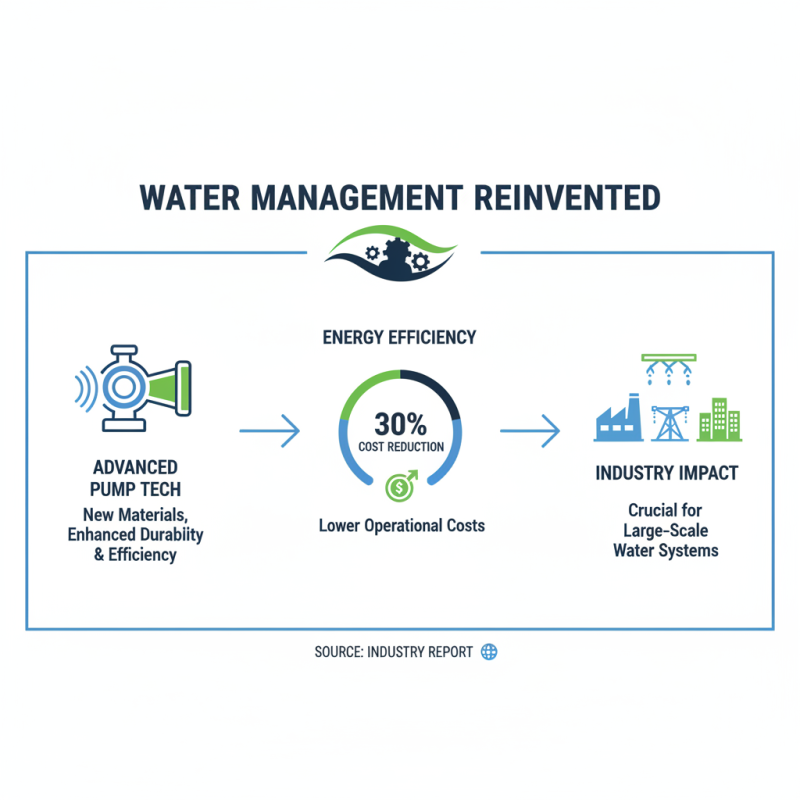
Innovations in pump technology are reshaping the water management landscape. New designs incorporate advanced materials, improving durability and efficiency. According to a recent industry report, energy-efficient pumps can reduce operational costs by up to 30%. This is significant for industries reliant on large-scale water systems.

Smart pump technology also plays a critical role. Sensors enable real-time monitoring, leading to improved performance. Data shows that systems using smart technology can achieve a 25% increase in operational efficiency. However, implementing these innovations can be complex. Training staff and adapting infrastructure might require substantial investment.

Not all pumps are created equal. Some traditional models lag in energy efficiency. Many users encounter challenges with maintenance and performance consistency. Transitioning to innovative solutions is necessary yet daunting. This highlights the ongoing need for improvement and reflection in water management practices.

Our dedicated sales and support staff are here to help you identify the ideal pump solution for your needs.

Contact Us