
Electric bicycles are becoming a significant part of urban transport in China. The China Electric Bicycles market has seen rapid growth, with a reported increase of over 30% in sales over the past year. This surge is driven by rising environmental concerns and a shift toward sustainable transportation solutions. According to industry expert Dr. Li Wei, "The future of urban mobility in China hinges on the adoption of electric bicycles."
China Electric Bicycles cater to a diverse audience, from daily commuters to outdoor enthusiasts. Features like long battery life and smart technology are increasingly popular. However, potential buyers may face a daunting selection. The variety can overwhelm, as not all brands meet quality standards. Consumers must navigate choices carefully to find the best fit for their needs. This complexity reflects the broader challenges in the industry, underscoring the need for reliable information.
Understanding the top options on the market is crucial. As we explore the best electric bicycles, transparency and informed decision-making are vital. The right choice can lead to a significant upgrade in lifestyle. But not every model will suit every rider. Therefore, consider preferences, usage, and local regulations before making a commitment.
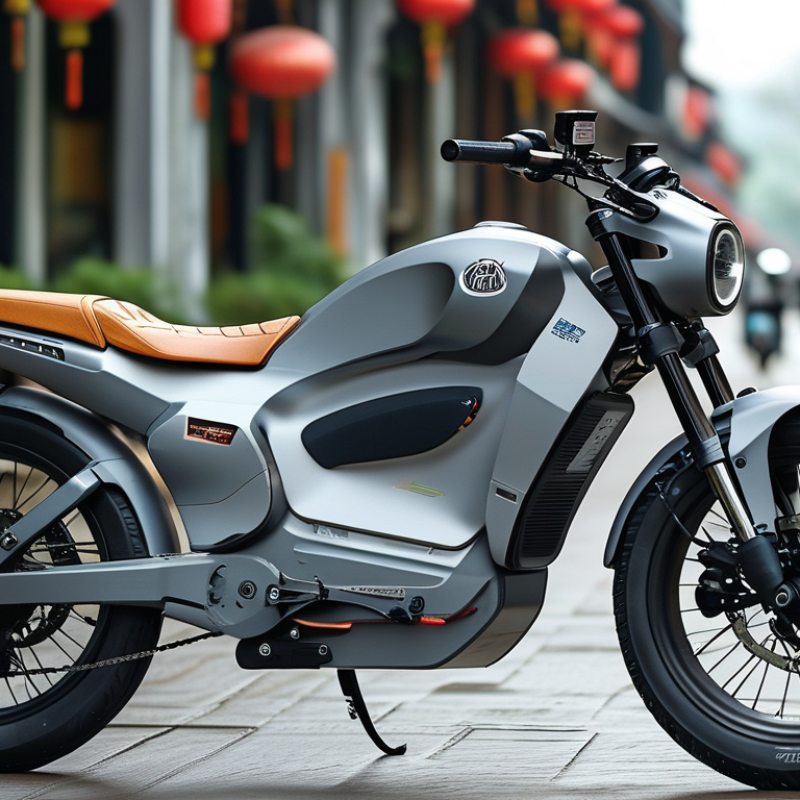
The electric bicycle market in China has shown remarkable growth in recent years. According to a report by Statista, the number of electric bicycles sold in China was around 30 million units in 2022. This represents a huge leap compared to previous years. The rise in urban commuting and environmental concerns has driven this trend. A significant portion of urban residents now prefers e-bikes for daily transportation.
Market research highlights that over 60% of e-bike users in China are aged between 18 and 34. This demographic is attracted to the convenience and affordability these bikes offer. As city traffic continues to grow, e-bikes provide a practical solution. However, the market faces challenges, such as safety concerns and regulatory hurdles. The absence of standardized safety measures is a notable gap that needs addressing.
**Tips:** Consider where you will ride the bike. Urban environments may require different features than rural areas. Always check local regulations regarding e-bike usage. Stay aware of potential improvements in battery technology. Look for options that enhance efficiency and range.
| Model | Battery Capacity (Wh) | Range (km) | Motor Power (W) | Weight (kg) | Price (USD) |
|---|---|---|---|---|---|
| Model A | 500 | 70 | 250 | 22 | 900 |
| Model B | 600 | 80 | 350 | 24 | 1100 |
| Model C | 700 | 90 | 500 | 25 | 1300 |
| Model D | 800 | 100 | 600 | 26 | 1500 |
| Model E | 750 | 85 | 450 | 23 | 1200 |
When choosing an electric bicycle, there are several key features to consider. Battery capacity plays a crucial role. A higher capacity means longer rides without recharging. Look for options that offer at least 400Wh for decent range. Also, consider the weight of the bike. Heavier models may be more robust, but they can be harder to maneuver.
Motor power is another important factor. A good range is typically between 250W and 750W. This affects speed and climbing ability. Test rides are invaluable here. Pay attention to how the bike accelerates. Comfort is also essential. Check the bike's frame and seat design. A solid frame reduces vibrations, while an ergonomic seat ensures longer rides feel comfortable.
Lastly, consider the bike's display and controls. A clear, easy-to-read screen enhances the user experience. Look for features like distance tracking, battery level indicators, and speed settings. Testing these features can be eye-opening. Some bikes can be challenging to read in sunlight, which affects usability. Investing time in research will lead to better choices, preventing regrets in the long run.
In recent years, electric bicycles have surged in popularity among global consumers. The industry is evolving rapidly, driven by urbanization and environmental awareness. According to a report by the China Bicycle Association, the electric bicycle market is expected to grow at a compound annual growth rate (CAGR) of 10% from 2022 to 2028. This growth reflects changing consumer preferences.
Safety considerations remain a significant concern for potential buyers. In China, over 60% of electric bike riders have reported experiencing traffic-related accidents, emphasizing the need for better safety measures. Many manufacturers are focusing on incorporating advanced technologies, such as anti-lock braking systems and smart lighting features. However, there is still a notable gap in safety regulations across different regions.
Battery life is another critical factor. A recent industry analysis revealed that only 35% of electric bicycles meet the expected battery longevity of over 500 cycles. This inconsistency can lead to frustration among users. Furthermore, while many bikes boast appealing designs, a significant number still lack essential functionalities, such as gear systems and suspension. The quest for the ideal electric bicycle remains ongoing, as consumers continue to seek features that ensure reliability and comfort on their rides.
When exploring the electric bicycle market in China, pricing and value come into sharp focus. The diversity in features makes the decision challenging. Some models offer advanced battery technology, while others emphasize lightweight design. Buyers often grapple with the balance of affordability and quality. It’s crucial to assess the specifications critically.
In the mid-range segment, you can find options that offer decent range and battery performance. They attract many first-time buyers. However, many overlook long-term maintenance costs. It’s also essential to note that the cheapest model may lack in durability. Certain features, like regenerative braking, might seem unnecessary to some. Yet, they can add significant value over time, especially for regular commuters.
Investing in an electric bicycle should be more than a mere price tag evaluation. In an ever-evolving landscape, understanding the changing market dynamics is vital. A bicycle's resale value can often surprise buyers. It’s insightful to consider how models retain value post-purchase. This often gets sidelined but matters significantly in the long run.
The electric bicycle industry in China is witnessing significant evolution. In 2021, the market size reached approximately $26 billion, reflecting a compound annual growth rate (CAGR) of around 13%. This growth is driven by rising urbanization and environmental awareness. More consumers are opting for electric bicycles for sustainable transportation.
Battery technology is advancing rapidly. Lithium-ion batteries dominate the market, offering longer ranges and quicker charging times. In 2020, battery efficiency improved by 15%. However, challenges remain. For instance, battery recycling is not yet widespread. This creates environmental concerns that the industry must address.
Regulatory changes are also shaping the landscape. Stricter safety standards are being implemented, affecting design and manufacturing processes. Some manufacturers struggle to comply, risking market access. Additionally, competition is escalating among domestic players. The rapid increase in the number of models can confuse buyers. Future trends suggest a focus on smart features and connectivity. This brings advantages, but also complicates user experience. Balancing innovation with user-friendliness remains a challenge.
We are here to help you with all your queries and concerns, just write to us using the below form and we will get back to you as soon as we can.