
Flame Arresters play a crucial role in fire safety across various industries. They are designed to prevent the propagation of flames in hazardous environments. With increasing global demands for safety, understanding different flame arrester types becomes essential for global buyers in 2026.
Industry experts emphasize the importance of selecting the right flame arrester based on specific applications. There are different designs available, such as vapour and liquid-phase arresters. Each type has unique characteristics that cater to various operational needs. Ignoring these differences can lead to safety risks.
In the quest for safety, buyers must consider reliability and efficiency. Not every flame arrester is suitable for all conditions. Engaging with manufacturers who have a proven track record is vital. Awareness of evolving safety standards and technological advancements will further ensure informed decisions in 2026. Reflecting on past choices can guide future purchases and contribute to safer workplaces.
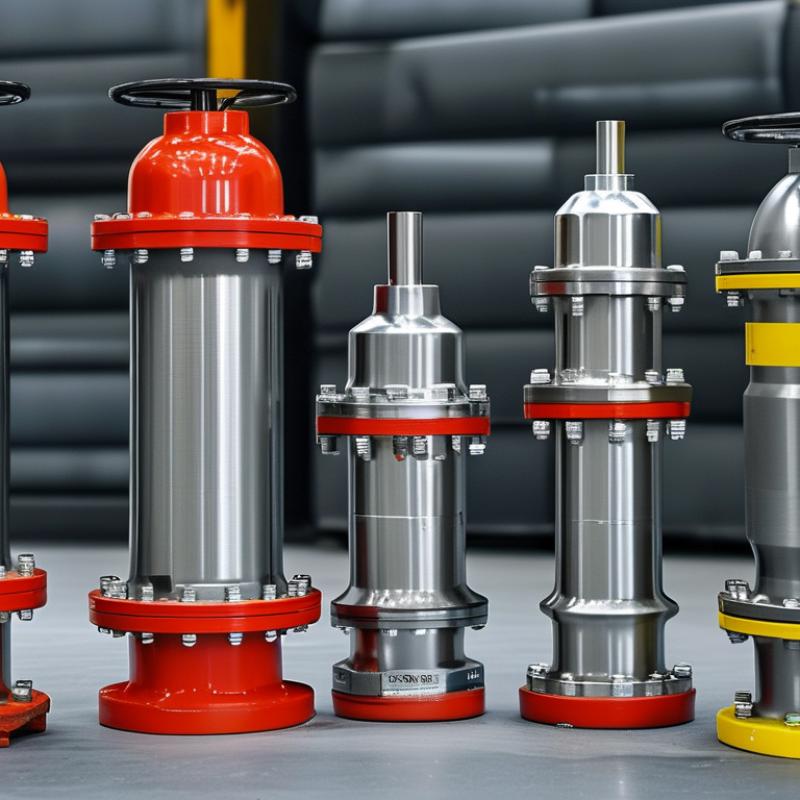
Flame arresters play a critical role in safety, particularly in industries dealing with flammable gases. These devices prevent flames from traveling back into equipment, protecting personnel and assets from potential explosions. Their construction often involves a series of metal mesh layers or baffle plates, which cool the flame and diminish its intensity before it can reach the source of gas. This makes them indispensable in chemical plants, oil refineries, and storage facilities.
Despite their importance, many industries overlook the need for regular inspections and maintenance of flame arresters. Without proper upkeep, these devices can become ineffective. It is essential to ensure that the mesh remains unobstructed and in good condition. Users should also be aware of potential design flaws or installation errors that could compromise safety. The choice of flame arrester should match the specific application, factoring in aspects such as gas type and pressure conditions.
The future of flame arresters could involve innovations that enhance their reliability and functionality. Technological advancements may lead to smarter designs capable of self-monitoring performance. However, as industries evolve, companies must balance the cost of innovation with safety imperatives. Striving for improvement while addressing existing shortcomings remains a challenge in support of safety regulations and operational effectiveness.
Flame arresters are crucial for safety in various industries. They prevent flame propagation and protect equipment. An effective flame arrester should allow gas flow while offering resistance to flames. The main types include deflagration and detonation arresters. Deflagration types operate by cooling the flame, while detonation types interrupt shock waves. Each type has distinct applications based on gas properties.
In recent research, the global flame arrester market is projected to grow by 5% annually. This growth is driven by increased safety regulations and a rise in hazardous industries. For instance, the chemical and oil sectors heavily rely on flame arresters to ensure worker safety. Understanding the specific requirements of each application can improve safety measures significantly.
When selecting a flame arrester, consider the operating environment. Proper sizing and installation are vital. Miscalculations can lead to inadequate protection and severe consequences. Over time, inspection and maintenance of these devices can reveal inconsistencies. Regular reviews ensure they function correctly and meet safety standards.
| Type | Characteristics | Applications | Material |
|---|---|---|---|
| Deflagration Flame Arrester | Prevents flames from passing through; operates quickly at low pressure | Storage tanks, pipelines | Stainless steel, aluminum |
| Detonation Flame Arrester | Blocks high-pressure shock waves; robust design | Gas and oil refineries, chemical processing | Cast iron, carbon steel |
| End-of-Line Flame Arrester | Installed at the end of a pipeline; prevents flame propagation back to the source | Exhaust systems, flare stacks | Stainless steel, brass |
| In-Line Flame Arrester | Installed within a pipeline; maintains pressure balance | Fuel transfer systems, chemical reactors | Carbon steel, ductile iron |
| Flame Arresting Mesh | Mesh design allows gas flow while stopping flames; lightweight | Ventilation systems, fuel storage | Stainless steel, nylon |
When selecting the right flame arrester, understanding your specific needs is crucial. Consider the industry standards applicable to your operations. Different industries have unique regulations. Knowing these helps ensure compliance while selecting the right device.
A flame arrester's efficiency largely depends on the material and design. Look for robust materials that can withstand harsh environments. The design impacts how effectively it prevents the spread of flames. Consulting industry experts can provide insights into various types available in the market.
The size of the flame arrester also matters. A device too small may not perform effectively. Conversely, a device too large can be inefficient and costly. It’s worth researching various options to find the perfect size for your setup. Sometimes, the best choice isn't the most popular one. Reflecting on your specific operational context can lead to better decisions.
Flame arresters are essential safety devices used to prevent the propagation of flames in various industrial applications. As we look forward to 2026, innovations in flame arrester technology are transforming the global market. Enhanced materials and designs increase reliability and performance. This evolution allows users to deal with more volatile substances safely.
New types of flame arresters, including built-in pressure relief mechanisms, offer better protection against backpressure. Additionally, the integration of smart sensors is becoming common. These sensors monitor conditions in real-time, providing valuable data for preventive maintenance. This strategic use of technology boosts overall safety and efficiency in operations.
When selecting flame arresters, consider the specific needs of your application. Evaluate the operating environment and potential hazards. It’s also wise to consult with experts to ensure compliance with safety standards. Keeping an eye on market trends can help you make informed decisions. Remember, investing in quality equipment today can prevent costly accidents tomorrow.
Regulatory standards for flame arresters are essential in shaping their design and use. As industries face increasing scrutiny, complying with regulatory guidelines becomes a crucial aspect. Various organizations set standards that dictate the materials, testing methods, and performance criteria for flame arresters. Understanding these regulations is vital for manufacturers and users alike, as they ensure safety and reliability.
Designers must carefully consider these standards. They should integrate features that not only comply but also enhance performance. This includes selecting appropriate materials that can withstand high temperatures and pressures. Occasionally, adhering to these regulations may lead to design challenges. Engineers must balance compliance with operational needs. Overconfidence in existing designs can lead to failures.
For those involved in flame arrester applications, it’s imperative to stay updated. Regular training sessions help keep teams informed about evolving regulations. Collaborating with regulatory bodies can provide crucial insights. Engaging in industry discussions fosters a better understanding of the challenges faced. Always remember that neglecting any aspect of compliance can have dire consequences down the line.
This chart illustrates the market share of various flame arrester types projected for 2026. Understanding these market dynamics is crucial for compliance with regulatory standards influencing the design and use of flame arresters worldwide.
We are here to help you with all your queries and concerns, just write to us using the below form and we will get back to you as soon as we can.