
As industries evolve, the demand for efficient, reliable Fluorine Pumps grows. These pumps are crucial for applications involving corrosive chemicals. Selecting the right model can impact productivity and safety.
Fluorine Pumps are designed to handle aggressive chemicals and extreme conditions. Their performance directly influences operational efficiency. Many models stand out in the market. However, not all meet high standards. A thorough evaluation of materials and technology is vital.
In 2026, advancements in design and efficiency are apparent. Manufacturers focus on durable components and innovative mechanics. Users must critically analyze these features to choose the best Fluorine Pump. Balancing cost and performance is also a challenge. Understanding these nuances helps ensure effective decision-making in this specialized area.
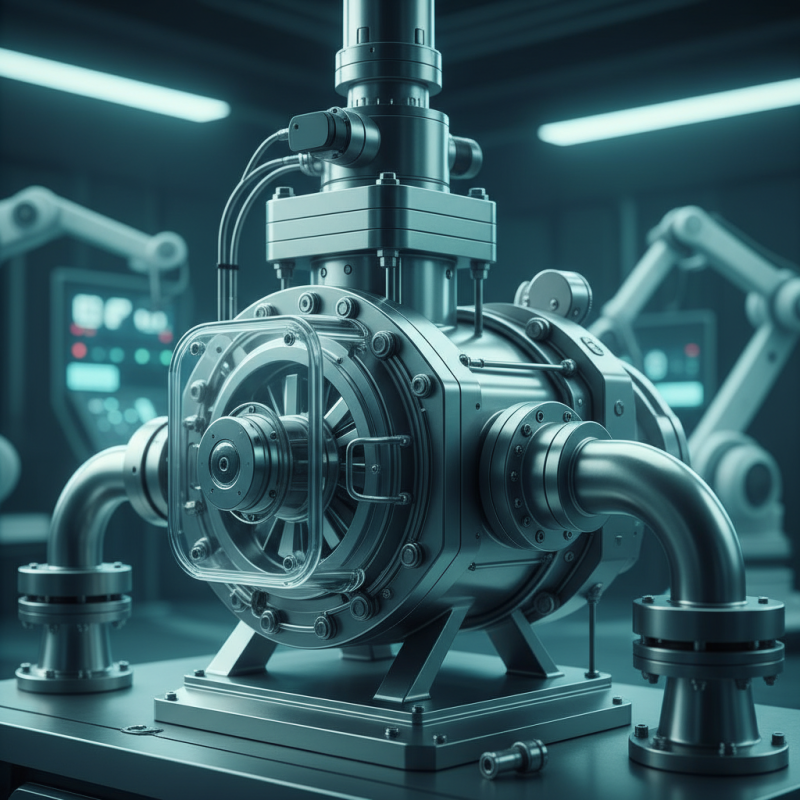
The advancement in fluorine pump technology is notable as we approach 2026. Leading brands are innovating to meet the growing demands of various industries. Many pumps now feature enhanced chemical resistance and improved flow rates. This results in better efficiency and reliability in harsh environments.
User feedback is vital in assessing these pumps. Experiences shared by professionals highlight some common issues, such as maintenance challenges and initial costs. Many users noted that while some pumps excel in performance, they require regular upkeep. It’s essential to consider these aspects when selecting a fluorine pump for industrial applications.
Additionally, brands differ in their technological approaches. Some focus on automation and monitoring systems, which can enhance efficiency. Others prioritize user-friendly designs that minimize troubleshooting. The variety of features available can boost productivity but may also complicate decision-making for users lacking detailed technical knowledge. This variance underscores the importance of thorough research and consultation with industry experts.
When considering the best fluorine pumps for 2026, key features are essential. The materials used in construction significantly impact performance. High-grade fluoropolymers resist corrosion effectively, ensuring longevity. A recent report from the Fluids Handling Association estimates that pumps made from these materials last 30% longer than their competitors.
Another critical feature is flow rate stability. Consistent flow rates help maintain process efficiency in chemical applications. Research indicates that top-performing pumps show less than 5% variation in flow rates over extended periods. This reliability reduces downtime and operational costs for industries dealing with fluorinated chemicals.
Ease of maintenance is also a defining aspect. Users need pumps that allow for straightforward cleaning and part replacement. The installation of quick-access ports can decrease service time. Industry surveys reveal that 40% of maintenance errors occur due to complicated designs. While certain models excel in performance, they can still be complex to operate. Continuous improvements are needed to enhance user-interface designs, making these advanced pumps more accessible.
The fluorine pumps industry is poised for significant growth in the coming years. According to a recent market analysis, the global fluorine pumps market is expected to expand at a CAGR of 8.5% from 2023 to 2028. This growth is driven by the increasing demand for fluorinated chemicals in various sectors, including pharmaceuticals and electronics. A continuous rise in investments in research and development supports the development of advanced pump technologies.
Market trends indicate a shift towards energy-efficient and durable pumping solutions. Manufacturers are focusing on designing pumps that minimize corrosive wear and enhance operational efficiency. The use of innovative materials helps to withstand the harsh environments typical in fluorine applications. Reports show that over 40% of key players are adopting smart technologies to improve monitoring and maintenance, which can lead to reduced downtime.
However, challenges persist. The complexity of designing pumps that meet stringent safety and performance standards can hinder progress. Additionally, supply chain disruptions have been noted, impacting material availability. Companies must adapt quickly to changing regulations and market needs to stay competitive. This sector's potential lies in addressing these hurdles while leveraging new technologies to elevate fluorine pump performance.
In the fluid handling industry, fluorine pumps play a crucial role in various applications. Performance metrics are essential in evaluating the best options for specific needs. Recent data from industry reports indicate that efficiency in fluid transfer can vary significantly among models. For instance, a notable study found that pump efficiency fluctuates between 80% and 95%, depending on design and application specifics.
Moreover, the durability of fluorine pumps is a primary concern. Pump longevity often hinges on factors like material composition and maintenance. According to experts, pumps made from advanced composites display superior resistance to corrosive environments, drastically influencing their lifespan. Notably, maintenance protocols can extend pump life, yet the effectiveness of these protocols is sometimes overlooked by operators.
Temperature resistance is another critical metric. Fluorine pumps must withstand a range of conditions. Reports show that pumps with higher temperature ratings consistently outperform those with lower specifications in harsh environments. This durability often leads to increased operational efficiency, but operators must remain vigilant about temperature monitoring to mitigate risks associated with overheating. The balance between these metrics is essential for optimal performance and reliability in the field.
The design of fluorine pumps has advanced significantly due to innovation in materials and engineering. Recent studies indicate that the market for fluorine pumps is projected to grow at a CAGR of 5.2% until 2026. This growth is driven by the increasing demand for high-performance materials in various industries. The best pumps now incorporate advanced composites that resist corrosion and wear, ensuring longevity and reliability.
One notable advancement is the use of high-performance seals. These seals reduce leakage, which is crucial when handling corrosive fluids. Reports show that failures due to seal degradation account for a significant portion of operational costs. Furthermore, smart technology integration allows real-time monitoring of flow rates and pressures. This feature enhances efficiency and aids in preventive maintenance, potentially reducing downtime by up to 30%.
Despite these advancements, challenges remain. Designers must balance cost-effectiveness with high precision. While innovations provide better performance, they often come with increased manufacturing complexity. Some designs may not be accessible to all manufacturers, potentially limiting their market reach. Rigorous testing for durability is essential to ensure these advancements meet industry standards consistently. As the sector evolves, constant refinement in design will be vital for staying competitive.
We are here to help you with all your queries and concerns, just write to us using the below form and we will get back to you as soon as we can.