Top 10 Gear Pumps for Efficient Global Procurement Needs?

In the world of manufacturing and fluid dynamics, gear pumps are pivotal. They offer reliable and efficient solutions for various applications. Selecting the right gear pump is crucial for meeting specific needs in today's competitive market. Whether for chemical processing, food production, or oil transfer, gear pumps are essential to enhancing operational efficiency.

This guide presents the top 10 gear pumps to fulfill diverse global procurement needs. Each entry highlights the pump's functionality, reliability, and unique features. Buyers often face challenges in choosing the best options. Factors such as material compatibility, flow rates, and maintenance needs can complicate the process. With this in mind, we aim to provide clear, actionable information.

Understanding gear pumps is not just about specifications; it's about overall performance. OEMs and engineers must consider the suitability of each pump type for their processes. Gear pumps are versatile tools, but their effectiveness depends on proper application. Striving for optimal choices will lead to better outcomes in production and efficiency.
Top 10 Gear Pumps for Efficient Global Procurement Needs?

Understanding Gear Pumps: Definition and Working Principles

Gear pumps are essential devices in many industrial applications. They are used to transfer fluids efficiently and reliably. Understanding their working principles can help optimize their use in various settings.

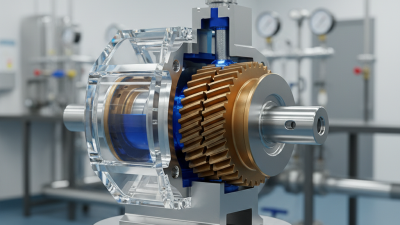
A gear pump consists of two gears that mesh together. As one gear turns, it creates a vacuum that draws fluid into the pump chamber. The fluid is then transported around the gear and pushed out through the outlet. This process relies on precise tolerances between the gears and the housing. Any wear can lead to decreased efficiency.

Fluid viscosity impacts the pump's performance significantly. Thicker fluids may require more power and can slow the system down. Conversely, very thin fluids may lead to leakage, causing operational challenges. Users must consider these factors for optimal efficiency. Regular maintenance is also crucial, as it can extend the lifespan of the pump. Observing changes in performance can provide insights into potential issues.

Top 10 Gear Pumps for Efficient Global Procurement Needs

Pump Model Flow Rate (L/min) Viscosity Range (cP) Max Pressure (bar) Material
Model A 50 10 - 2000 10 Aluminum
Model B 75 5 - 1500 15 Cast Iron
Model C 100 20 - 3000 12 Stainless Steel
Model D 120 30 - 4000 20 Bronze
Model E 150 40 - 2500 25 Plastic
Model F 85 15 - 1800 18 Aluminum
Model G 65 10 - 1600 13 Stainless Steel
Model H 55 25 - 2200 11 Cast Iron
Model I 130 30 - 3500 22 Bronze
Model J 95 20 - 1700 19 Plastic

Key Factors Influencing Gear Pump Selection for Global Procurement

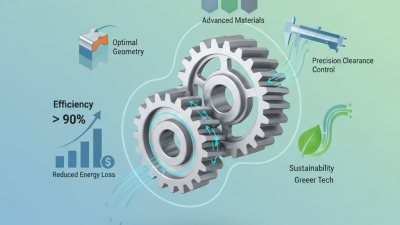
When selecting gear pumps for global procurement, several key factors come into play. Efficiency is paramount. A well-designed gear pump minimizes energy loss while maximizing flow rates. This directly affects operational costs and productivity.

Materials matter as well. Pumps must withstand the specific fluids they handle. Corrosion resistance and durability are crucial, especially in harsh environments. The temperature range is equally important. Pumps must operate effectively in diverse conditions without performance degradation.

Beyond technical specifications, supplier reliability influences decision-making. Assessing the supplier's track record is vital. A partner with consistent quality can save time and resources. Global availability is also a consideration. Local support can reduce downtime and maintenance costs. It's essential to address these factors thoughtfully to ensure a successful procurement strategy.

Top 10 Gear Pumps for Efficient Global Procurement Needs

The chart above represents the efficiency ratings of the top 10 gear pumps suitable for global procurement. The measurements in liters per minute (L/min) indicate the performance capabilities of each pump, which is crucial for selecting the right equipment in various industrial applications.

Top Gear Pump Manufacturers: A Comparative Overview

When it comes to selecting gear pumps in the global market, manufacturers play a crucial role. Understanding who they are can aid in making informed decisions. Industry reports indicate that the gear pump market is expected to grow at a CAGR of 4.5% through 2027, driven by increased demand across various sectors.

Comparative studies reveal that efficiency varies significantly among manufacturers. A reliable gear pump should deliver consistent performance and withstand harsh conditions. Factors such as material quality and design are pivotal in ensuring longevity and reliability. However, not all manufacturers meet these standards. Data suggests that only 30% of companies regularly invest in quality control measures.

**Tip**: Always check a manufacturer’s certification and track record. This can provide insight into their commitment to quality.

Another aspect to consider is after-sales support. A strong support system can mitigate operational risks and enhance productivity. Nevertheless, some manufacturers overlook this crucial component. A lack of proper maintenance guidance can lead to inefficient operation, even with high-quality pumps.

**Tip**: Look for manufacturers with comprehensive service agreements. This can save costs and headaches down the line.

Applications of Gear Pumps in Various Industries

Top 10 Gear Pumps for Efficient Global Procurement Needs?

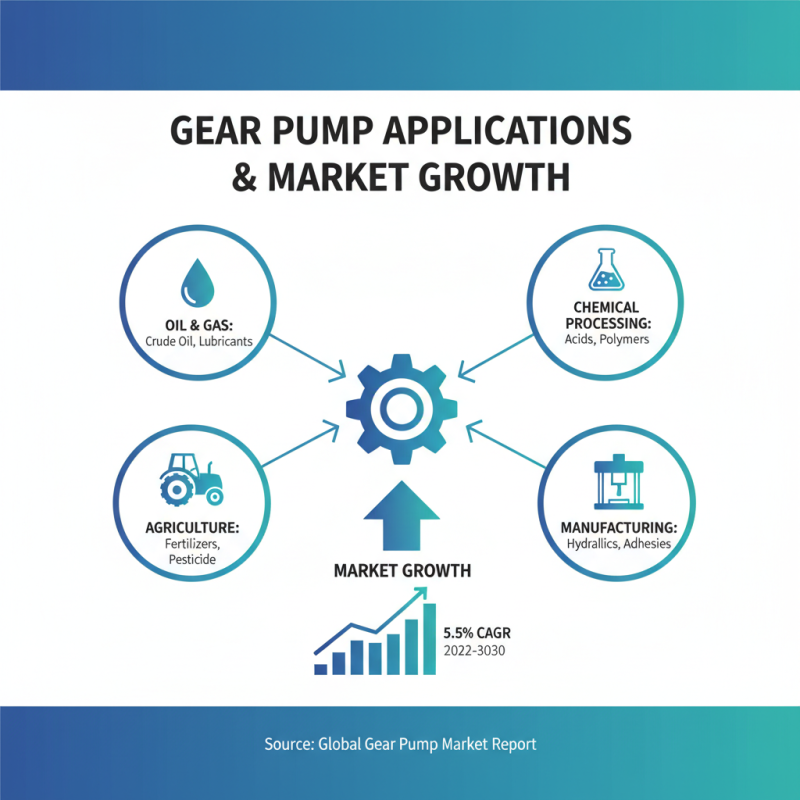
Gear pumps play a pivotal role in diverse industries. Their efficient design allows for reliable fluid transfer at high pressures. According to the "Global Gear Pump Market Report," the demand for gear pumps is projected to grow annually by 5.5% from 2022 to 2030. This trend reflects their versatility across various sectors.

In the oil and gas industry, gear pumps facilitate the movement of crude oil and refined products. They are essential for maintaining the operational efficiency of extraction and refining processes. In the food and beverage sector, these pumps are crucial for transferring viscous liquids, ensuring product consistency and quality. A report from the "Food Processing Equipment Association" notes that gear pumps help maintain hygiene standards, vital for regulatory compliance.

When selecting a gear pump, consider the application and fluid characteristics. Ensure the pump materials are compatible with the fluids handled. Regular maintenance is key to preventing unexpected downtime. Over the years, some industries faced challenges with pump wear and leakage. Understanding the operating environment can minimize these issues. Frequent monitoring of pump performance helps identify potential failures early on.

Efficiency is crucial in the chemical industry as well. The precise flow rates of gear pumps help optimize production processes. However, companies sometimes overlook the importance of recalibrating pumps periodically. Proper training for operators on pump selection and maintenance can significantly enhance efficiency. Adjustments based on real-time performance data are essential for long-term success.

Trends in Gear Pump Technology and Their Impact on Procurement

In recent years, gear pump technology has evolved significantly, driven by demands for efficiency and sustainability. Market analysis shows that the global gear pump market is expected to grow at a CAGR of 4.5% from 2023 to 2028. This trend reflects the increasing impact of eco-friendly designs and advanced materials on procurement strategies.

One notable development is the adoption of smart technology in gear pumps. These innovations enhance operational efficiency and provide real-time data for predictive maintenance. For instance, integrating IoT capabilities allows for better monitoring, leading to reduced downtime and maintenance costs. This shift represents a significant change, prompting procurement teams to seek suppliers who can offer the latest technological advancements.

**Tip:** Consider evaluating suppliers based on their technological capabilities. Collaborating with manufacturers focused on R&D ensures your procurement aligns with future trends.

Another trend is the increasing demand for custom gear pumps tailored to specific applications. Buyers now prioritize agility and flexibility, requiring suppliers to quickly adapt. This requirement highlights the importance of strong supplier relationships and effective communication. The interconnectedness of global supply chains means that inconsistencies can lead to major delays.

**Tip:** Always ask for transparency regarding lead times and customization processes when sourcing gear pumps. This will help mitigate risks and optimize your procurement plan.

Our dedicated sales and support staff are here to help you identify the ideal pump solution for your needs.

Contact Us