2026 Top Nylon Insulated Terminal Applications and Benefits?
In the evolving landscape of electrical components, the importance of Nylon Insulated Terminals cannot be overstated. Industry expert John Smith, a leading authority in electrical connections, once remarked, “Nylon Insulated Terminals provide unmatched reliability in harsh environments.” This statement underscores the significance of these terminals in various applications.
Nylon Insulated Terminals offer numerous benefits, including enhanced durability and resistance to corrosion. Their ability to withstand extreme temperatures is crucial in many industries. These terminals are often used in automotive, aerospace, and industrial settings, where safety is paramount. Despite their advantages, challenges still exist. Improper installation or selection can undermine their reliability.
As we move toward 2026, understanding the applications of Nylon Insulated Terminals becomes essential. Experts believe that ongoing research will improve their function and expand their usage. However, reliance on these components should always be coupled with a firm grasp of industry standards. Continuous learning and adaptation remain vital.
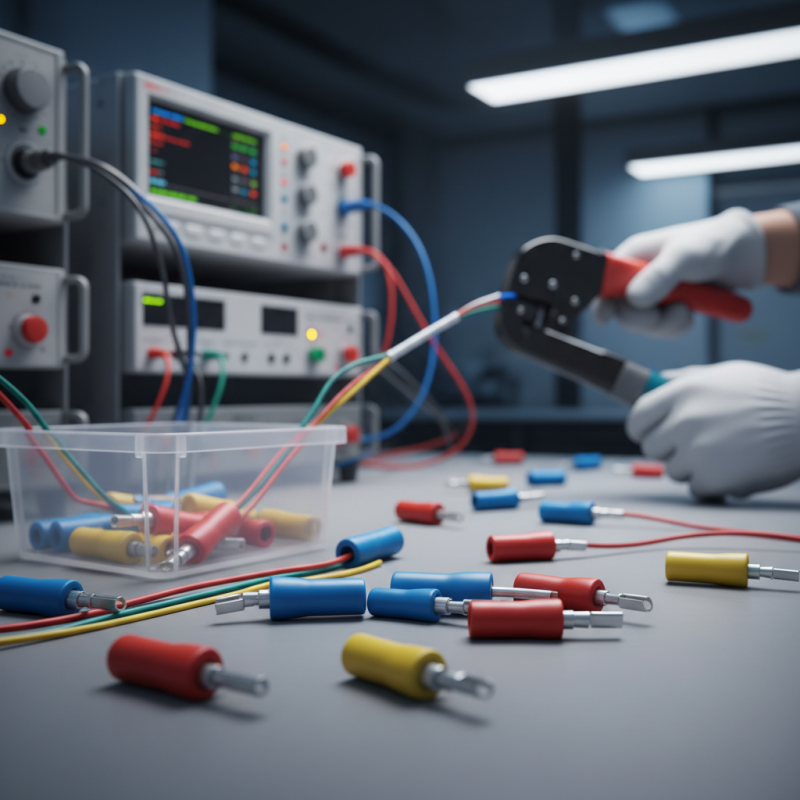
Overview of Nylon Insulated Terminals and Their Importance
Nylon insulated terminals are vital components in electrical systems. They provide a reliable and durable connection. The insulation helps prevent short circuits and electrical faults. This is crucial in applications that demand safety and efficiency. For instance, automotive and industrial settings heavily rely on these terminals. They resist moisture and heat, enhancing their longevity.
One significant benefit of nylon insulated terminals is their versatility. They can be used in various situations, from household wiring to complex machinery. Their design allows for easy installation and secure connections. However, not all terminals are created equal. Selecting the right type can be challenging, and mistakes happen. It’s important to assess the specific needs of your project before making a choice.
In some cases, users might overlook the importance of proper crimping techniques. Improper application can lead to connection failures. This highlights the need for training and awareness among users. Educating oneself on installation methods ensures more reliable performance. The importance of these terminals extends beyond just connection; it impacts overall system functionality.
Key Applications of Nylon Insulated Terminals in Various Industries
Nylon insulated terminals are widely recognized for their advantages across various industries. In automotive applications, these terminals ensure secure and reliable electrical connections. They can withstand high temperatures and resist moisture, ideal for vehicle environments. In marine settings, they protect against corrosion, enhancing the longevity of installations.
In industrial manufacturing, nylon insulated terminals play a crucial role in connecting machinery. Their durability helps prevent failures that could halt production. Additionally, these terminals are used in renewable energy systems, where they contribute to efficient power distribution.
**Tip:** When selecting nylon insulated terminals, consider the specific environmental conditions they will face.
Installing these terminals can be tricky. Incorrect placement may lead to connectivity issues. Inspecting connections regularly is key to avoiding potential problems.
**Tip:** Use proper tools to ensure a secure fit during installation.
In telecommunications, nylon insulated terminals facilitate stable connections for devices. Using subpar terminals can lead to unreliable signals. Always prioritize quality over cost for dependable performance.
Benefits of Using Nylon Insulated Terminals Over Other Insulation Types
Nylon insulated terminals have gained popularity in various applications due to their unique properties. According to a recent industry report, these terminals provide superior resistance to chemicals and moisture, making them ideal for both indoor and outdoor use. This durability can be critical for installations in harsh environments, where other types of insulation may fail, leading to costly repairs or replacements.
One significant benefit of nylon insulation is its high tensile strength. This allows terminals to maintain integrity under pressure, reducing the risk of electrical failures. Research indicates that nylon insulated terminals can withstand temperatures ranging from -40°C to 105°C, which is crucial for many industrial applications. However, not all terminals perform equally; some may lose insulating properties over time, leading to potential safety hazards.
Another advantage is the ease of installation offered by nylon insulated terminals. They often come with features like easy grip and flexible designs, which help technicians complete projects more efficiently. However, the initial cost may deter some buyers. It's essential to weigh long-term savings against upfront expenses. Investing in quality terminals can often lead to a more reliable and efficient electrical system.
Factors to Consider When Choosing Nylon Insulated Terminals
When choosing nylon insulated terminals, consider several key factors. First, the size and compatibility with your wiring system are crucial. A snug fit ensures a solid connection, preventing issues like short circuits. Check the wire gauge and select terminals that match well. A mismatch can lead to poor performance.
Another aspect is the temperature rating. Nylon insulated terminals can endure various temperatures. However, exceeding the rated temperature can cause failures. Always refer to specifications for optimal performance. Think about the environment too. If terminals are exposed to moisture, corrosion may occur. Opting for terminals with a higher resistance to the elements is wise.
Tips: Look for terminals that meet industry standards. Quality certifications can be vital indicators of reliability. Ensure to test connections in real-life scenarios. Perform visual inspections to catch potential problems early. It’s easy to overlook such details, yet they can save time and costs in the long run.
Future Trends in Nylon Insulated Terminal Technology and Applications
The evolution of nylon insulated terminals is shaping the future of electrical connectivity. As technology progresses, these terminals are becoming more versatile. They now offer enhanced insulation properties, making them ideal for various applications. With a growing demand for reliability, manufacturers are focusing on developing terminals that prevent thermal degradation. This improvement extends the lifespan and efficiency of electrical systems.
Future trends point toward increasing automation in terminal production. Smart manufacturing processes aim to optimize production time and quality. There’s a noticeable shift toward customizable terminals that meet specific application requirements. However, there are still challenges in achieving uniform quality across production batches. Occasionally, inconsistencies may arise, leading to reliability issues.
The push for eco-friendly materials is another trend. Sustainable nylon alternatives are gaining traction. These materials not only reduce environmental impact but also retain the performance benefits of traditional nylon. Addressing concerns regarding sourcing and material stability remains crucial. As the industry evolves, continuous innovation and adaptation will define the future landscape of nylon insulated terminals.
2026 Top Nylon Insulated Terminal Applications and Benefits