Top 10 Oils for Gear What Buyers Should Know

When it comes to maintaining your gear, choosing the right oil for gear can make all the difference. The right oil enhances performance and extends the life of your equipment. Many people overlook this essential aspect, focusing instead on brand names or aesthetics. Yet, the type of oil you use can affect functionality significantly.

Several options exist, each with its benefits and drawbacks. Factors like viscosity, temperature tolerance, and compatibility with materials should guide your decision. Moreover, using subpar oil can lead to breakdowns and costly repairs. Many consumers are unaware of the specific needs of their gear, leading to mistakes that could easily be avoided.

Navigating the world of lubricants can be daunting. It is essential to prioritize reliability and expertise when making your choice. Take time to research options, read reviews, and consult professionals. Investing in the right oil for gear is a step toward ensuring your equipment runs smoothly for years to come.

Top 10 Oils for Gear What Buyers Should Know

Understanding Gear Oil: Importance and Functions

Gear oil plays a crucial role in maintaining the performance and longevity of mechanical systems. It acts as a lubricant, reducing friction between moving parts. This reduction in friction helps prevent wear and tear, ensuring that gears operate smoothly. Additionally, gear oil disperses heat generated during operation. Without it, gears can overheat, leading to potential failures.

Different types of gear oils cater to various applications. For instance, specific oils may provide better protection under high loads, while others excel in extreme temperatures. Understanding the viscosity ratings is also vital. The right viscosity ensures optimal flow and protection. However, choosing the wrong type can lead to inefficiencies and mechanical issues. Users should also consider the oil's additives. These can enhance performance but might not be universally beneficial.

Regular oil changes are essential for maintaining gear health. Over time, contaminants can accumulate, degrading oil performance. Monitoring oil condition is a task often overlooked. Neglect can result in surprising breakdowns. Gear oil is not just a simple fluid; it is an investment in the reliability of your machinery. Balancing performance with the right oil choice is critical for any user.


Types of Gear Oils: Synthetic vs. Mineral

Top 10 Oils for Gear What Buyers Should Know

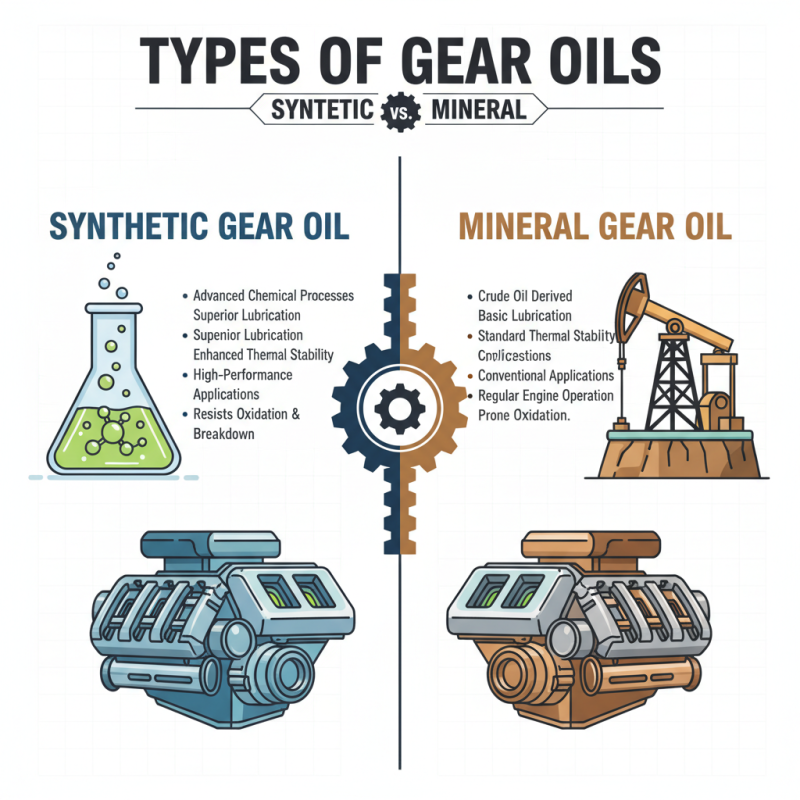
When choosing gear oils, understanding the difference between synthetic and mineral oils is crucial. Synthetic oils are designed through advanced chemical processes. They offer superior lubrication and thermal stability. This makes them ideal for high-performance applications. You may notice engines running smoother with synthetic oils. They also resist oxidation and breakdown better than mineral oils.

On the other hand, mineral oils are derived from natural crude oil. They are generally less expensive and widely available. However, they may not perform as well in extreme conditions. If you drive in a hot climate, mineral oils may not provide the necessary protection. Their viscosity can change significantly with temperature fluctuations.

Consider what your vehicle needs. Do you drive in varying temperatures? What is the mileage on your vehicle? These factors can influence your choice of oil. Recognizing the characteristics of both oil types can lead to better decision-making. It’s worth noting that your choice may impact your vehicle's longevity and overall performance.

Key Factors to Consider When Choosing Gear Oils

When choosing gear oils, understanding key factors is essential. The viscosity grade is one of the most significant aspects. Viscosity affects how the oil flows at different temperatures. According to industry reports, the right viscosity can improve fuel efficiency by 2-5%. It’s crucial to match the oil's viscosity with your equipment's operating conditions.

Another important factor is the additive package. Additives enhance performance, providing better protection against wear and corrosion. Research indicates that oils with advanced additives can extend the lifespan of gears by up to 30%. However, not all additives work well together, leading to potential compatibility issues. Buyers should consider whether the additives align with the specific application needs.

Lastly, the base oil type needs attention. Synthetic oils generally offer better performance in extreme conditions. However, they often come at a higher cost. Many users find themselves reflecting on budget constraints versus long-term benefits. Selecting the right oil requires careful balancing of these key factors to ensure optimal gear performance and longevity.

Top 10 Oils for Gear: Key Factors to Consider

This chart illustrates the rating of key factors when choosing gear oils. Each factor is rated on a scale of 1 to 10, reflecting its importance in the selection process:

Top 10 Recommended Gear Oils for Different Applications

Choosing the right gear oil is crucial for maintaining equipment longevity and performance. Different applications require specific formulations to ensure optimal lubrication. For example, heavy-duty gear systems benefit from oils with high viscosity. These oils can handle stress and resist breakdown under pressure. On the other hand, lighter gear oils are ideal for smaller machines and low-load applications. The right choice can improve efficiency and reduce wear.

When selecting gear oils, consider environmental conditions. Some oils perform better in extreme temperatures, while others are designed for wet environments. Manufacturers often specify the ideal viscosity grade for their machinery. This detail is critical for achieving the best results. Be aware, however, that not all oils are compatible with each other. Mixing different types can lead to chemical breakdown and equipment failure.

Understanding the specific needs of your equipment can save time and money. However, even experienced buyers sometimes overlook minor details. For instance, factors like oil additives play a significant role in preventing rust and oxidation. A simple mistake in oil choice can lead to costly repairs. Staying informed is vital for making sound decisions in gear oil selection.

Top 10 Recommended Gear Oils for Different Applications

Oil Type Viscosity Grade Base Type Suitable For Temperature Range Key Features
Synthetic Gear Oil 75W-90 Synthetic Manual Transmissions -40°F to 130°F High thermal stability and wear protection
Mineral Gear Oil 80W-90 Mineral Differentials -20°F to 100°F Cost-effective and provides good lubrication
High-Performance Gear Oil 75W-140 Synthetic Blend Racing Applications 0°F to 150°F Excellent shear stability and reduced friction
Hypoid Gear Oil 85W-140 Mineral Heavy-Duty Trucks -10°F to 120°F Severe pressure protection and oxidation resistance
Multi-Purpose Gear Oil 75W-90 Synthetic Various Applications -40°F to 130°F Versatility and high wear protection
Extreme Pressure Gear Oil 80W-140 Synthetic Industrial Gearboxes -20°F to 130°F Outstanding film strength and load-carrying capacity
Biodegradable Gear Oil 75W-90 Vegetable-based Environmentally Sensitive Applications -30°F to 120°F Eco-friendly and high lubricity
Gear Oil for API GL-5 85W-90 Mineral Passenger Vehicles -20°F to 100°F Meets API GL-5 performance standards
Gear Oil for API GL-4 75W-90 Mineral Older Vehicles -20°F to 100°F Compatible with older manual transmissions
Hypoid Type Oil 75W-140 Synthetic 4WD and Off-Road Vehicles -20°F to 150°F Superior anti-wear protection for extreme conditions

Tips for Proper Gear Oil Maintenance and Replacement

Top 10 Oils for Gear What Buyers Should Know

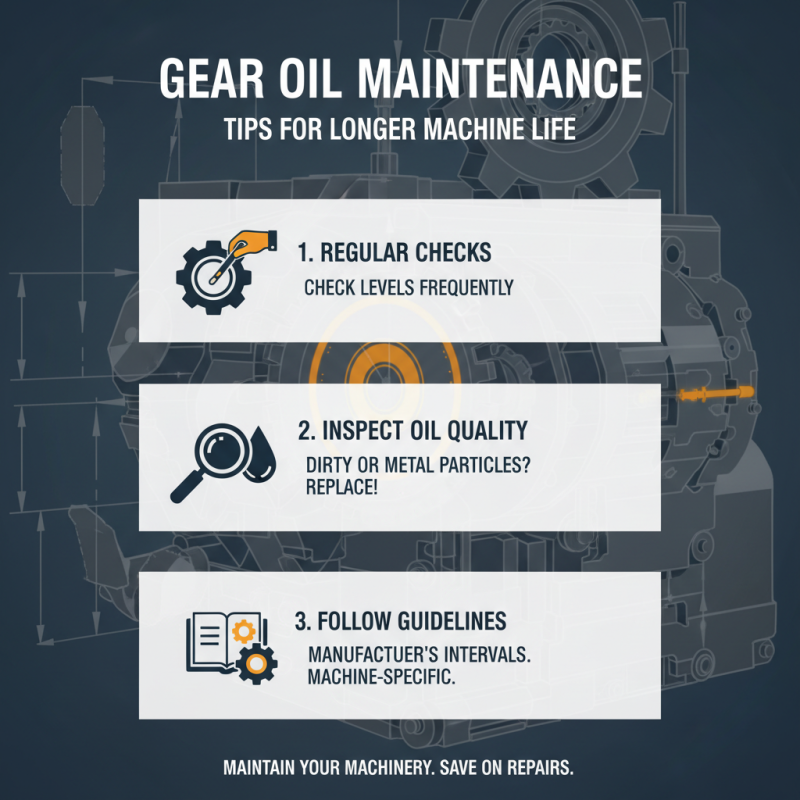
Maintaining gear oil is crucial for the longevity of your machinery. Regular checks are essential. It is important to examine the oil levels frequently. If the oil looks dirty or contains metal particles, it's time for a change. Good practice includes checking the manufacturer’s guidelines for specific intervals. Each machine has its own needs.

Proper disposal of old oil is often overlooked. Don’t dispose of it irresponsibly. Instead, find a local recycling center that accepts used oil. Small actions like this contribute to environmental health. Remember to keep gear oil containers sealed tightly. This prevents contamination and degradation.

Always strive for consistency in your maintenance routine. It might feel tedious, but neglect can lead to costly repairs later. Proper lubrication minimizes wear and extends the life of gears. A little time spent now can save a lot in the long run. Be mindful of your practices and stay educated on the latest maintenance strategies.

Our dedicated sales and support staff are here to help you identify the ideal pump solution for your needs.

Contact Us