Top 10 Pump Spare Parts Buyers Need to Know?

In the world of industrial operations, understanding pump spare parts is crucial. According to a recent report by the Global Market Insights Group, the global pump market is projected to reach $80 billion by 2027. This growth highlights the importance of maintaining efficient and reliable pumping systems. However, many buyers often overlook essential spare parts that ensure optimal performance.

Identifying the top pump spare parts is not just a matter of convenience. It can significantly impact operational efficiency and reduce downtime. A survey conducted by the Fluid Handling Network revealed that 30% of pump failures are directly linked to insufficient maintenance and lack of spare parts. Buyers need to be aware of the diverse components that influence the longevity and effectiveness of their pumps.

Investing in the right pump spare parts requires a thoughtful approach. Buyers must balance cost against quality. A recent analysis found that cheaper parts often lead to increased long-term expenses due to frequent replacements. It's vital to assess the reliability of suppliers and the specifications of parts. Understanding these factors will empower buyers to make informed decisions that enhance overall productivity.
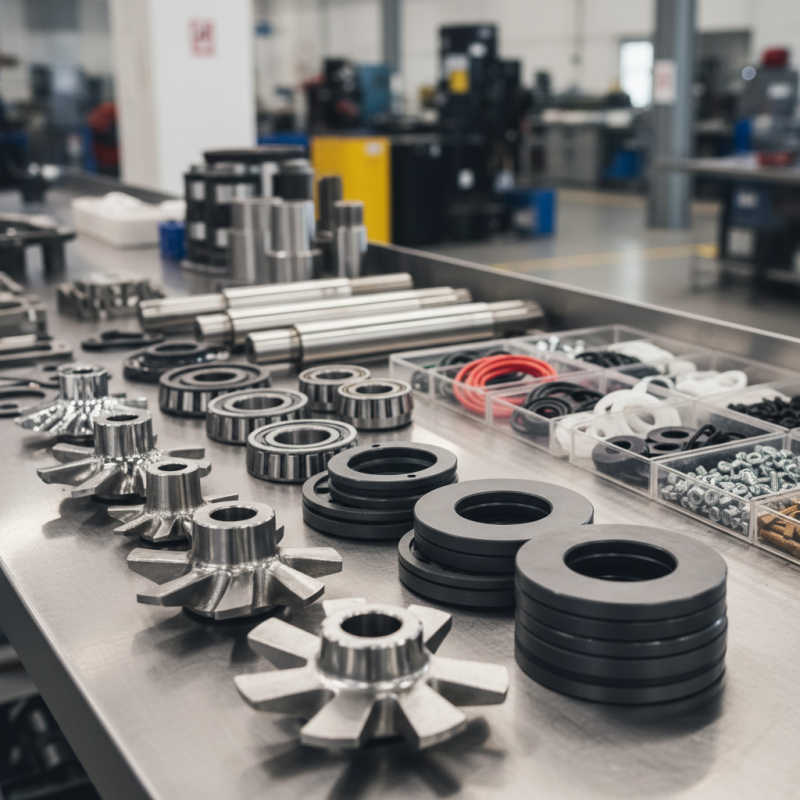
Top 10 Pump Spare Parts Buyers Need to Know?

Essential Pump Spare Parts Every Buyer Should Consider

When buying pump spare parts, understanding which components to prioritize is crucial. Pump efficiency is tied to many factors, including the condition of these parts. Every buyer should consider several essential items to ensure optimal performance and reliability.

Seals are fundamental. They prevent leaks and protect internal components. Worn seals lead to fluid loss and efficiency drop. Regular inspection can help identify issues before they escalate. Another vital component is the impeller. It plays a key role in fluid movement. Damage or wear can significantly affect your pump's output.

Bearings are often overlooked but crucial for pump integrity. They reduce friction and enable smooth operation. Selecting the right type can extend your pump's lifespan. Moreover, gaskets are essential for maintaining pressure levels. A faulty gasket can result in failures and costly repairs. Always have a few spare gaskets on hand. Taking time to evaluate these parts can yield long-term benefits.

Top 10 Pump Spare Parts Buyers Need to Know

Part Name Description Material Common Uses Estimated Lifetime (Years)
Impeller Rotating component that increases fluid velocity. Polypropylene, Stainless Steel Water pumps, chemical pumps 5-10
Mechanical Seal Seal that prevents leakage of fluids. Ceramic, Carbon Submersible pumps, centrifugal pumps 3-7
O-Rings Circular seals that prevent fluid leakage. Rubber, Silicone Various pump applications 2-5
Gaskets Sealing components to prevent leaks between surfaces. Paper, Rubber Diverse pump installations 1-4
Bearing Supports rotating shafts, reducing friction. Steel, Ceramic All types of pumps 5-15
Suction Strainer Filters debris to prevent damage to pump. Stainless Steel Wide range of pumping applications 5-10
Discharge Valve Controls the flow of liquid out of the pump. Brass, Plastic Industrial pumps 4-8
Check Valve Prevents backflow in pumping systems. PVC, Brass Water treatment, HVAC 5-10
Air Release Valve Allows trapped air to escape from the system. Plastic, Brass Water pipelines 3-7
Pump Controller Regulates the operation of the pump. Electronic Components Variable speed pumps 5-15

Criteria for Choosing Quality Pump Spare Parts

When choosing quality pump spare parts, several key criteria must be considered. The material quality is crucial. Components made from durable materials like stainless steel or high-grade plastics last longer. They resist corrosion and wear, providing reliable performance over time.

Compatibility with the existing system is another important factor. Ensure the spare parts fit seamlessly with your pumps. Misfits can lead to performance issues. Additionally, checking for certifications and standards is vital. These guarantee the parts meet industry benchmarks. It's wise to review suppliers' reputations as well. Look for those with extensive industry experience and positive feedback.

Don't ignore the importance of warranties. A solid warranty can reflect the manufacturer's confidence in their product's quality. If parts fail prematurely, it can be costly. Assess whether suppliers offer technical support. This can save time during installation. Finally, reflecting on the purchasing process can also improve future decisions. What worked well? What didn't? Continuous evaluation will enhance your spare parts procurement strategy.

Common Types of Pump Spare Parts: An Overview

Top 10 Pump Spare Parts Buyers Need to Know?

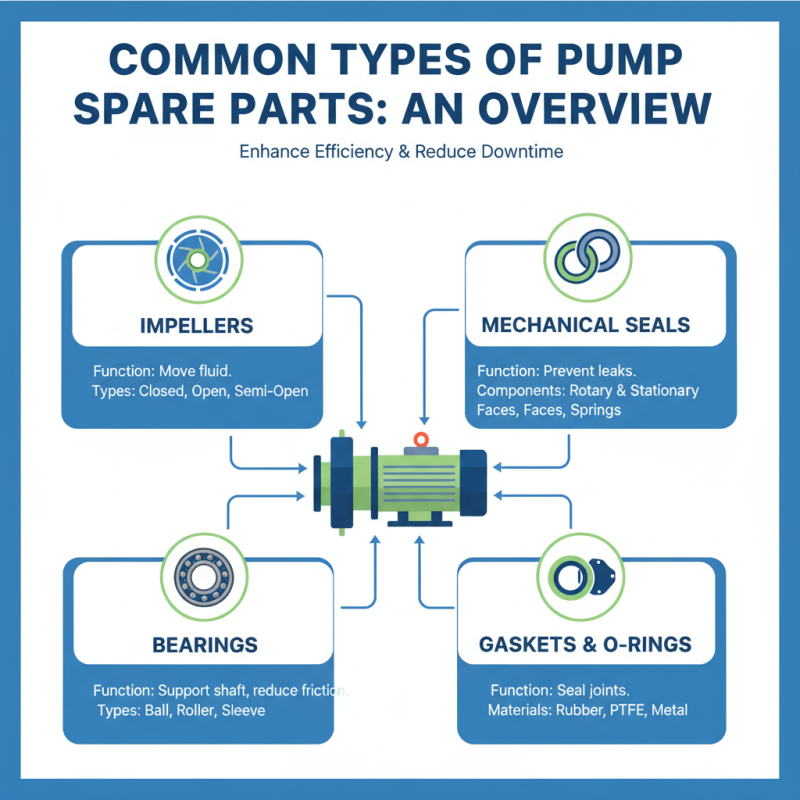
When it comes to pump operations, spare parts play a crucial role. Different types of pump spare parts serve specific functions. Understanding these parts can enhance efficiency and reduce downtime.

One common type is the impeller. This component moves fluid through the pump. Choosing the right impeller improves performance. Wear rings are another essential part. They minimize leakage and maintain efficiency. They need regular checking for early signs of wear.

Seals are also vital. They prevent leaks and maintain pressure. If seals fail, it can lead to significant issues. Bearing assemblies, or bearings for short, reduce friction at the pump's rotating parts. Regular maintenance of these components ensures longevity. Evaluating the condition of pump parts is not just beneficial; it is necessary for smooth operations. Knowing these components can help buyers make informed decisions.

Understanding the Importance of Spare Parts Availability

Top 10 Pump Spare Parts Buyers Need to Know?

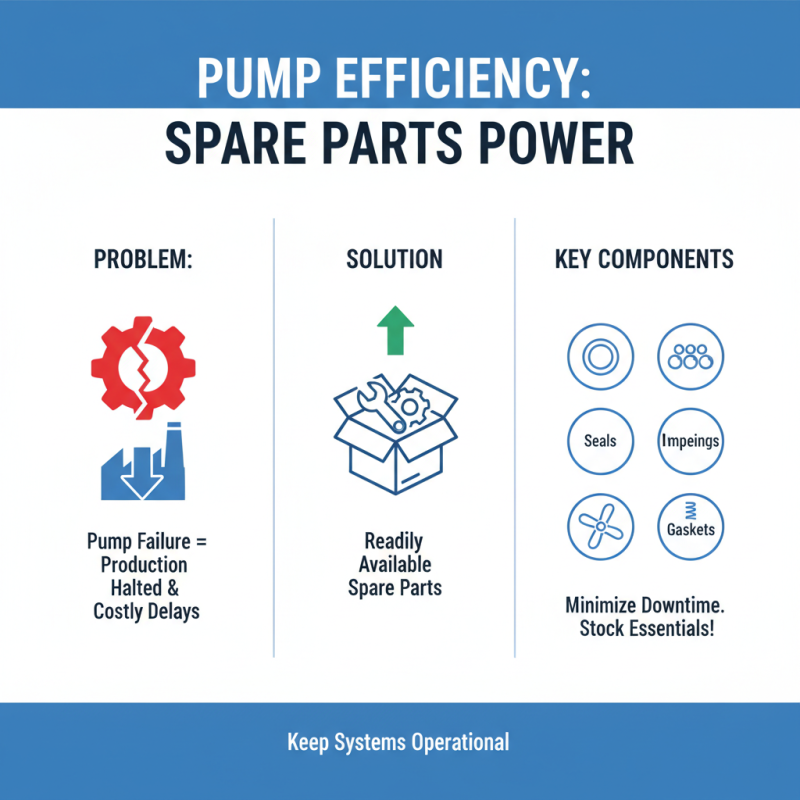
Spare parts availability is crucial in maintaining pump efficiency. When a pump fails, it can halt production and incur significant costs. This highlights the need for readily available spare parts. Customers should be aware of the essential components that keep their systems operational. From seals to bearings, knowing what to stock can minimize downtime.

Experience has shown that many users underestimate the importance of having spare parts on hand. A single missing component can lead to longer repair times. It’s essential to analyze operational history. Regular maintenance helps identify which parts frequently fail. This data informs what spare parts to prioritize. Yet, there remains a tendency to overlook less critical items, which can backfire unexpectedly.

Reliable suppliers are key in this equation. Establishing a trusted relationship with them ensures quick access to the necessary components. Furthermore, it is important to evaluate the quality of parts available. Low-quality alternatives may save money initially, but often lead to more significant issues later. Overall, investing time and resources in understanding spare parts will enhance the reliability and performance of your pump systems.

Best Practices for Maintaining and Replacing Pump Spare Parts

Maintaining and replacing pump spare parts is crucial for efficiency and longevity. Regular inspections should be part of your routine. Look for signs of wear and tear, such as leaks or unusual noises. Unexpected failures can lead to costly downtime.

Tips: Check seals regularly. A small leak can cause major issues later. Replace worn-out components before they fail. This proactive approach saves time and money.

When sourcing spare parts, choose reliable suppliers. Quality matters. Low-quality parts often fail sooner, leading to repeated replacements. Always verify compatibility with existing equipment. A mismatched part can result in further complications and safety hazards.

Another consideration is proper storage. Spare parts should be kept in a temperature-controlled environment. Moisture can lead to corrosion. Label parts clearly to avoid confusion. This small detail can streamline the replacement process, reducing downtime.

Top 10 Pump Spare Parts Buyers Need to Know

Our dedicated sales and support staff are here to help you identify the ideal pump solution for your needs.

Contact Us