Top Pump to Pump Water Systems for Efficient Home and Garden Use in 2025

In an era where water conservation and efficiency are paramount, the significance of "pump to pump water" systems has never been more critical for homeowners and garden enthusiasts alike. As we look ahead to 2025, experts in the field emphasize the need for innovative solutions that not only enhance water distribution but also optimize energy usage. Dr. Emily Turner, a renowned specialist in hydraulic engineering, asserts, "The future of gardening and home maintenance lies in our ability to harness the power of effective pump systems, transforming the way we supply water to our plants and spaces."

The advancement of technology has led to sophisticated pump to pump water systems that promise to deliver water more efficiently than ever before. These systems are designed to facilitate seamless water transfer from storage tanks or wells to gardens and household applications, reducing waste and promoting sustainability. As we delve into the top pump to pump water solutions for 2025, it is essential to consider not only their operational efficiency but also their environmental impact, ensuring that we leave a positive legacy for future generations.

By prioritizing efficiency and sustainability in our water management practices, we can help create vibrant gardens and maintain flourishing homes while being mindful of our vital natural resources. In the following sections, we will explore the best options available, providing insights into how these systems can transform our approach to water use in the coming years.
Top Pump to Pump Water Systems for Efficient Home and Garden Use in 2025

Top Trends in Pump Technology for Efficient Water Systems in 2025

Top Pump to Pump Water Systems for Efficient Home and Garden Use in 2025

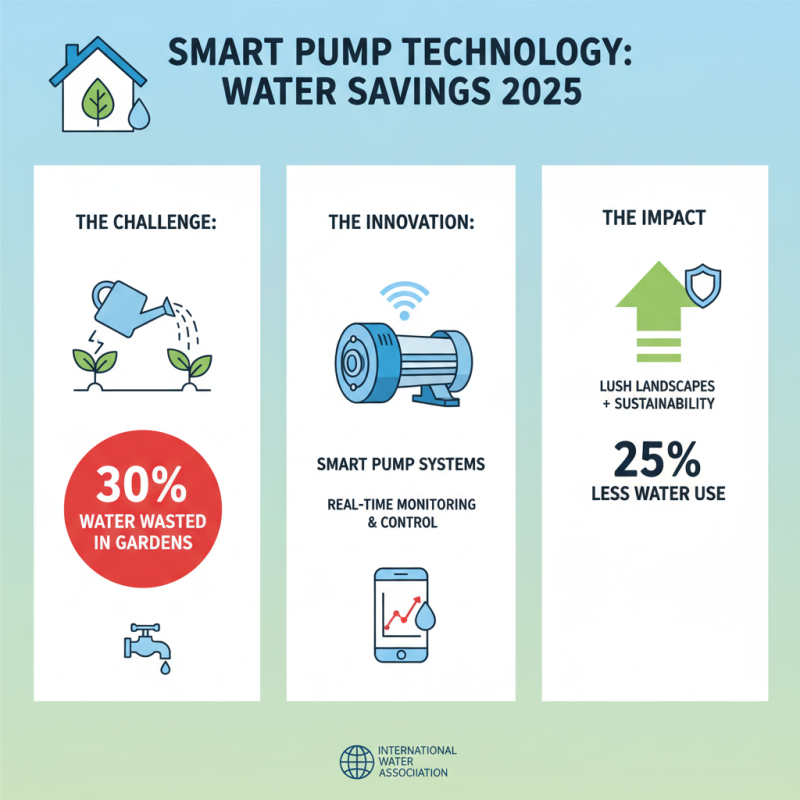
In 2025, advancements in pump technology are driving significant changes in efficient water systems for home and garden use. Modern pumping systems are increasingly incorporating smart technology, allowing homeowners to monitor and control water usage in real-time. According to a recent report by the International Water Association, up to 30% of water is wasted in gardens due to inefficient irrigation practices. Therefore, integrating smart pumps can lead to a 25% reduction in water use, ensuring sustainability while maintaining lush landscapes.

Another key trend is the rise of energy-efficient pumps designed to reduce operational costs and environmental impact. Research conducted by the Pump Industry Analysts indicates that energy-efficient models can lower energy consumption by up to 50% compared to traditional pumps. These pumps utilize variable frequency drives (VFDs) to adjust the motor speed according to the water demand, ensuring optimal performance while conserving energy.

**Tips:** When selecting a water pump, consider one with smart features that can be integrated into your home automation system. Additionally, look for pumps that offer energy efficiency certifications, as they not only reduce your carbon footprint but also save you money in the long run. Always assess the specific water needs of your garden or home to ensure you choose the right system for optimum efficiency.
Key Features to Look for in Residential and Garden Water Pumps

Top Pump to Pump Water Systems for Efficient Home and Garden Use in 2025

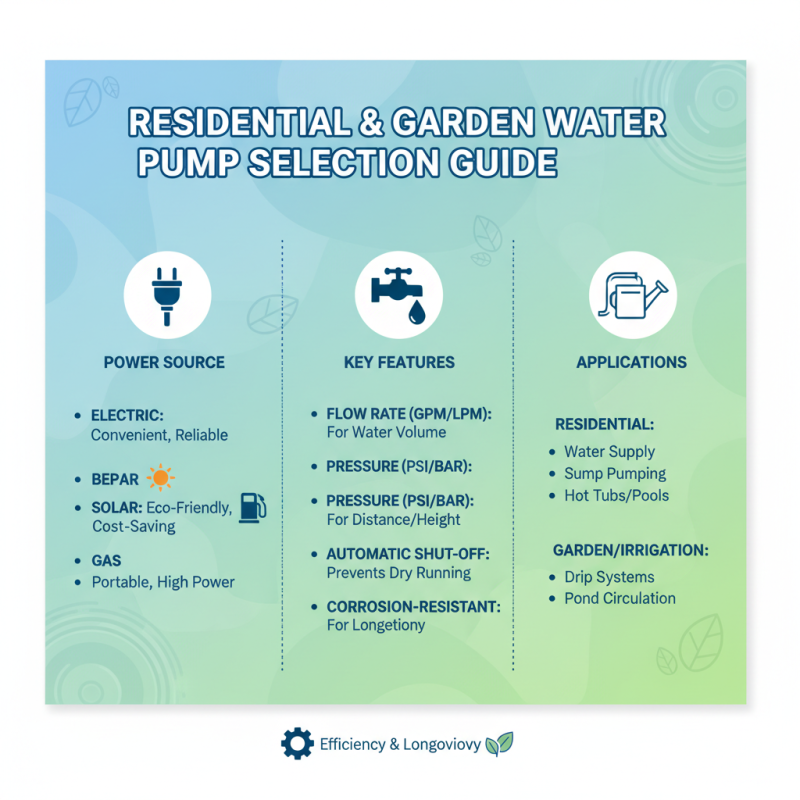
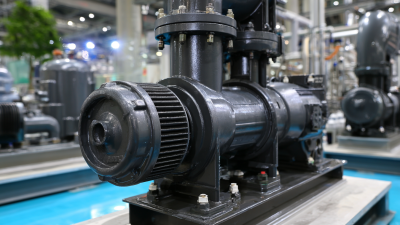
When selecting water pumps for residential and garden use, several key features should be prioritized to ensure efficiency and longevity. First and foremost, the pump's power source is critical; choosing between electric, solar, or gas-powered options can significantly impact operational costs and environmental footprint. Electric pumps are often preferred for their convenience and reliability, while solar options offer eco-friendly solutions for those keen on sustainability.

Another essential aspect to consider is the pump's flow rate and pressure, which determine its capacity to move water effectively. A higher flow rate is beneficial for larger gardens or multiple water outlets, whereas a lower flow rate with high pressure may be ideal for specific tasks, such as irrigation systems or pressure washing. Alongside this, the material and design of the pump are vital for durability, especially in outdoor settings where exposure to elements can lead to wear and tear. Look for corrosion-resistant materials and robust designs that can withstand various weather conditions, ensuring the pump serves its purpose efficiently over time.

Comparison of Energy-Efficient Pump Models for Home Use

When it comes to selecting energy-efficient pump models for home use, various factors must be considered to ensure optimal performance and sustainability. With the increasing demand for eco-friendly solutions in both gardens and households, recent developments in pump technology have led to models that significantly reduce energy consumption while maintaining high efficiency. These pumps are designed not only to move water effectively but also to minimize electricity costs, benefiting both the environment and homeowners' budgets.

In 2025, several innovative designs are expected to dominate the market, showcasing advanced engineering that incorporates features such as variable speed controls and enhanced impeller designs. These features allow pumps to adjust their output based on real-time water demands, leading to substantial energy savings. Users can anticipate models that offer user-friendly interfaces, enabling easy monitoring and scheduling of water usage. Furthermore, many of these energy-efficient pumps are constructed with durable materials that prolong their lifespan, making them a wise investment for sustainable water management in residential applications.

Impact of Water Pumps on Irrigation Efficiency and Water Conservation

Efficient irrigation is crucial for maximizing crop yields and conserving water resources. According to the American Society of Agricultural and Biological Engineers, approximately 70% of freshwater extracted globally is used for agricultural purposes. This statistic underscores the importance of optimizing water use, particularly as many regions face increasing water scarcity. Modern water pumps have a significant impact on irrigation efficiency, enabling precise delivery of water where it is needed most. By using sensors and automated systems, these pumps help to minimize wastage and ensure that crops receive the optimal amount of water.

In addition to boosting irrigation efficiency, the adoption of advanced pumping systems can lead to substantial water conservation. Research from the Irrigation Association suggests that implementing energy-efficient pumps in home and garden systems can save up to 50% of water compared to traditional methods. These improvements not only reduce water usage but can also lower energy costs, providing financial benefits to homeowners and gardeners alike. As we move towards 2025, the integration of smart technology in pumping systems will likely further enhance water conservation efforts, contributing to more sustainable practices in both agriculture and landscaping.

Future Innovations in Pump Systems for Sustainable Gardening Practices

As we look towards 2025, the future of pump systems for home and garden use hinges on innovations that promote sustainable gardening practices. The increasing awareness of environmental issues has driven the demand for efficient water management solutions, essential for maintaining healthy gardens while minimizing resource waste. Cutting-edge pump technologies are now being developed to ensure that water is used more effectively, reducing overall consumption and conserving resources.

Emerging systems focus on automation and smart technology, allowing gardeners to schedule watering times based on weather forecasts and soil moisture levels. These advanced pumps can detect environmental changes and adjust their operations accordingly, providing just the right amount of water needed for plants to thrive. Moreover, solar-powered pumps offer an eco-friendly alternative, harnessing renewable energy to operate efficiently without relying on traditional power sources.

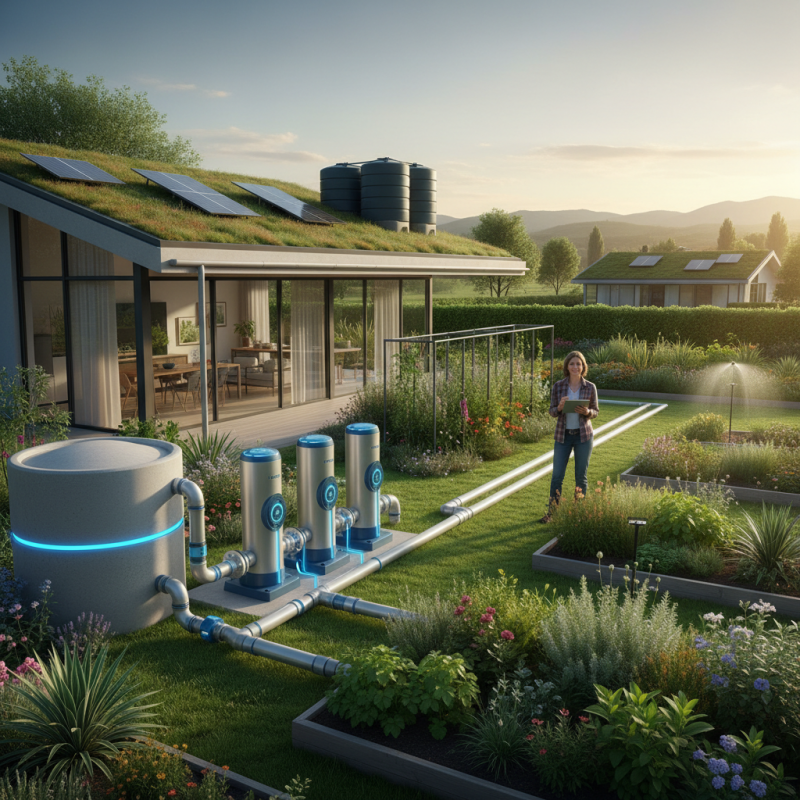
Further innovations include the integration of rainwater harvesting with pump systems, enabling homeowners to capture and utilize naturally occurring rainfall. This not only reduces dependency on municipal water supplies but also helps to alleviate water runoff concerns in urban areas. As these pump systems evolve, they will play a crucial role in fostering sustainable gardening practices, ensuring that future generations can enjoy green spaces without compromising the health of the planet.

Our dedicated sales and support staff are here to help you identify the ideal pump solution for your needs.

Contact Us