
In the world of packaging, the Resin Closed Head Steel Drum stands out for its durability and versatility. Industry expert Michael Hart, a renowned packaging engineer, once stated, “The right drum can significantly enhance product safety and storage efficiency.”
Resin Closed Head Steel Drums are designed for various applications. They cater to chemicals, oils, and other sensitive materials. Their robust construction makes them ideal for transporting hazardous substances. However, selecting the right drum is not always straightforward. Buyers must consider factors like size, lining type, and compatibility with contents.
While many manufacturers offer these drums, not all meet the same standards. This inconsistency can lead to complications in safety and compliance. Some drums may lack the necessary certifications, raising questions about their reliability. Evaluating options carefully is crucial for ensuring safety and efficiency in the supply chain. A well-informed choice can lead to better product protection and cost savings in the long run.
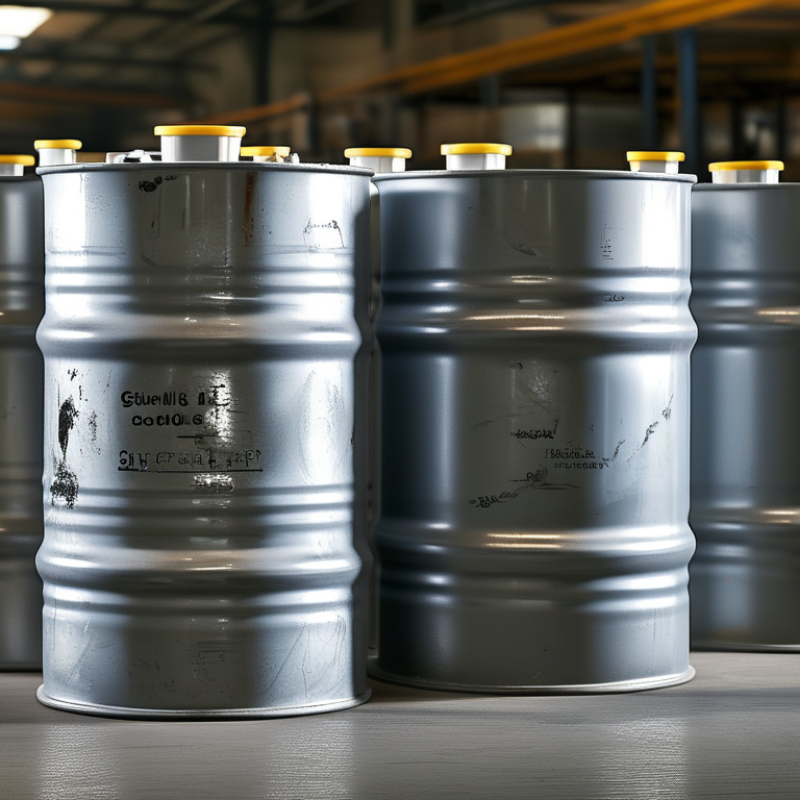
Resin closed head steel drums are essential in various industries. They provide durability and corrosion resistance, allowing safe storage of chemicals and liquids. Many manufacturers emphasize these benefits. According to a recent report by the Steel Drum Institute, nearly 75% of industrial users prefer resin-coated drums for their longevity.
These drums feature a seamless design. This design minimizes leakage risks. The interior is often coated with high-performance resin. This protects against chemical reactions that can compromise product integrity. Additionally, these drums are stackable, saving warehouse space. The ease of transportation also reduces logistical costs.
Tips for choosing the right drum: Consider the specific chemical compatibility. Not all resins work with every substance. Review industry standards to ensure compliance. Test samples whenever possible. This helps identify any potential risks before large-scale usage. Also, consider the drum's size based on your storage needs. Larger drums can reduce the frequency of refills but may pose handling challenges.
Despite their advantages, some users report issues. Improper handling can lead to deformation. Additionally, not all resins are equal. It's crucial to assess quality for reliable performance. Regular inspections can help mitigate these risks.
The global demand for steel drums continues to rise. Steel drums are vital in various industries, including chemicals, food, and pharmaceuticals. According to a recent industry report, the global steel drum market is projected to grow at a CAGR of 4.5% from 2023 to 2030. This growth is largely driven by the increasing need for safe and efficient storage solutions.
Supply dynamics reveal challenges. Various suppliers face raw material shortages and price fluctuations. The price of steel has seen a significant increase in recent years, impacting production costs. Additionally, logistics issues and trade regulations complicate global supply chains. Some manufacturers struggle to meet demand due to these constraints.
End users express concerns regarding sustainability. Many businesses are moving towards eco-friendly packaging. Reusing and recycling steel drums could offer a viable solution. However, industry practices need to catch up to consumer expectations. Innovation and adaptation are essential for improving market alignment with current demands. Balancing these aspects remains a critical task for stakeholders in the steel drum industry.
When analyzing resin closed head steel drum manufacturers, it’s essential to focus on performance metrics. A recent industry report highlights that approximately 30% of these manufacturers optimize their production processes using advanced automation. This enhances quality control, leading to fewer defects and improved reliability.
Durability is a critical factor for buyers. Data suggests that drums made from high-grade steel can withstand extreme temperatures and harsh environmental conditions. However, not all manufacturers achieve this standard. A survey revealed that quality inconsistencies are reported in 25% of the surveyed companies. This inconsistency can lead to supply chain disruptions.
Lastly, it's important to consider sustainability practices. Many manufacturers are adopting eco-friendly processes. However, only 15% have achieved full compliance with international environmental standards. Buyers must scrutinize manufacturers to ensure their practices align with environmental ethics. The transparency of these production methods can significantly impact purchasing decisions.
In 2023, the importance of industry standards and certifications for resin closed head steel drums is more evident than ever. According to a recent report by the U.S. Environmental Protection Agency (EPA), the packaging sector is vital for global supply chains. Close to 65% of manufacturers prioritize compliant and certified packaging. This trend ensures safety and quality in storage and transportation. Certification from organizations like ISO and UN plays a crucial role in establishing credibility.
It is noteworthy to recognize that compliance processes can be complex. A survey from the International Organization for Standardization revealed that over 30% of manufacturers face challenges meeting industry standards. This has raised concerns about reliability in the market. Many companies still enhance their products but struggle with certification. The consequences of non-compliance can lead to significant financial and reputational loss.
With increasing scrutiny, transparency is crucial. Buyers must examine certifications closely. A study indicated that nearly 45% of consumers are more likely to trust products from certified manufacturers. It fosters an environment of accountability. While the quest for quality assurance continues, a lack of uniform standards can lead to inconsistencies. The evolving landscape demands continuous reflection and improvement from manufacturers to adapt to changing regulations.
The pricing of steel drums varies significantly due to multiple factors. Global demand for steel, estimation from industry reports indicates a 3% increase in consumption annually. This trend drives the cost up, particularly in emerging markets. Factors like transportation, labor costs, and raw material availability also play crucial roles. The volatility of these costs can lead to unexpected price shifts.
Recent data suggests that resin closed head steel drums may see a price increase of 5% to 8% this year. This change results from increasing tariffs and geopolitical tensions affecting supply chains. Environmental regulations are tightening, which pushes manufacturers to invest in better practices, raising production costs.
Buyers must consider these elements when sourcing steel drums. The market can fluctuate based on global economic conditions. Industry experts urge caution in pricing negotiations. Awareness of these trends can lead to more informed purchasing decisions. Understanding the cost dynamics will help buyers navigate this complex landscape.
| Drum Type | Capacity (Liters) | Weight (kg) | Price (USD) | Region | Main Use |
|---|---|---|---|---|---|
| Resin Closed Head Drum | 200 | 20 | 120 | North America | Chemicals |
| Resin Closed Head Drum | 150 | 15 | 95 | Europe | Food Industry |
| Resin Closed Head Drum | 50 | 6 | 45 | Asia | Oil |
| Resin Closed Head Drum | 80 | 10 | 65 | South America | Pharmaceuticals |
| Resin Closed Head Drum | 100 | 12 | 80 | Africa | Cosmetics |
| Resin Closed Head Drum | 60 | 8 | 55 | Middle East | Agriculture |
| Resin Closed Head Drum | 120 | 16 | 75 | Asia | Construction |
| Resin Closed Head Drum | 30 | 4 | 35 | North America | Beverages |
| Resin Closed Head Drum | 90 | 14 | 70 | Europe | Paints |
| Resin Closed Head Drum | 110 | 18 | 85 | Africa | Automotive |
We are here to help you with all your queries and concerns, just write to us using the below form and we will get back to you as soon as we can.