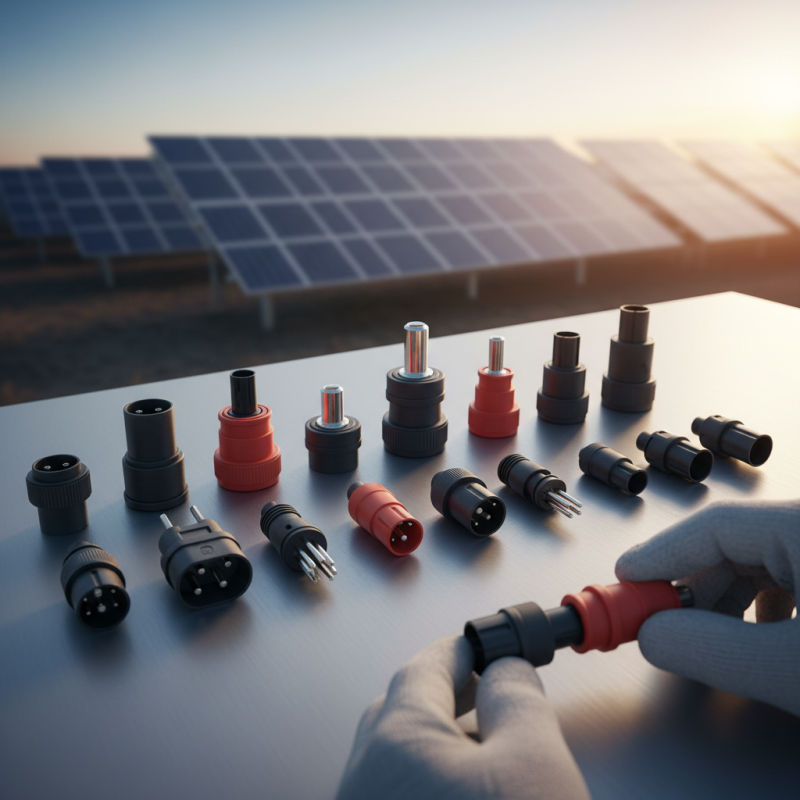
Top 10 Solar Panel Connectors You Need to Know for Importing
As the solar industry continues to expand, understanding Solar Panel Connectors becomes essential for successful importing. Research by the International Renewable Energy Agency (IRENA) indicates that solar capacity will reach 4,000 GW globally by 2030. This surge highlights the crucial role of connectors in ensuring reliable energy transmission.
Renowned industry expert Dr. Lisa Choi emphasizes, "The right connectors can make or break the efficiency of a solar system." Selecting high-quality connectors is vital for maximizing energy output and preventing costly failures. Yet, many importers often overlook this critical component.
Inadequate knowledge can lead to sourcing inferior connectors. This mistake may impact long-term performance. Quality Solar Panel Connectors not only enhance durability but also ensure safety and efficiency. As the market grows, addressing these gaps is crucial to supporting the solar revolution.
Understanding Solar Panel Connectors and Their Importance
Solar panel connectors play a crucial role in solar energy systems. They ensure secure and efficient connections between panels, optimizing performance and safety. These connectors are not just simple links; they influence the entire system's reliability. Choosing the right connectors can prevent issues such as loss of power and potential hazards.
Understanding different types of connectors, such as MC4 and Anderson, is essential. Each type has its unique features and applications. MC4 connectors are popular for their ease of use and weather resistance. Meanwhile, Anderson connectors offer versatility for various setups. It's important to match connectors with the system’s needs, ensuring compatibility and performance.
Tips: Always check for quality and certification. Low-quality connectors can lead to system failures. Take your time to compare options and understand their specifications. Be aware that improper installations can cause faults. Safety should never be compromised, so consult with professionals if uncertain. Proper education on connectors is essential before making an import decision.
Types of Solar Panel Connectors: An Overview
When importing solar panels, understanding the types of connectors is essential. Solar panel connectors play a critical role in ensuring efficient energy transfer. The most common connector type is the MC4. These connectors are durable and water-resistant, making them a popular choice among installers. They ensure a reliable connection, minimizing the risk of energy loss.
Another connector type you may encounter is the XT60. It is popular for battery connections. These connectors provide a high current capacity, making them suitable for more demanding applications. Proper selection of connectors impacts overall system efficiency. Poor connections can lead to significant energy waste.
Often overlooked, the choice of connectors can impact long-term performance. Poor quality connectors can degrade quickly. They may not withstand harsh weather conditions. Conducting thorough research is crucial. Ensure that connectors not only fit physically but are also rated for the required voltage and current.
Key Specifications to Consider When Importing Connectors
When importing solar panel connectors, it's vital to understand key specifications. The connectors are essential for ensuring efficient energy harvest and reliable system performance. According to the International Electrotechnical Commission (IEC), connectors must meet stringent safety and performance standards. For instance, the IEC 62852 standard outlines requirements for plug and socket connectors used in photovoltaic systems.
One critical specification is the current and voltage rating of connectors. Most connectors are rated between 20A and 40A, with voltage ratings typically between 600V and 1000V. Choosing connectors that exceed your system's requirements can prevent overheating. Temperature tolerance is another aspect. Many manufacturers indicate that connectors should function effectively in temperatures ranging from -40°C to +85°C.
It's also essential to consider environmental factors. Connectors should have appropriate ingress protection (IP) ratings, ideally IP67. This rating indicates dust-tightness and water resistance, essential in outdoor installations. However, many buyers neglect this factor, risking premature failure. Research shows that investing in high-quality connectors can enhance the overall lifespan of solar systems significantly, often extending it by several years.
Top 10 Solar Panel Connectors You Need to Know for Importing - Key Specifications to Consider When Importing Connectors
| Connector Type | Material | Rated Current (A) | Rated Voltage (V) | IP Rating | Temperature Range (°C) | Weight (g) |
| MC4 Connector | PVC/PA | 30 | 1000 | IP67 | -40 to +90 | 10 |
| T4 Connector | PTFE | 25 | 1500 | IP68 | -50 to +120 | 8 |
| SUNCLIX Connector | Polypropylene | 40 | 1500 | IP65 | -40 to +85 | 9 |
| MC4 EVO2 Connector | Polycarbonate | 40 | 1500 | IP68 | -40 to +85 | 11 |
| H4 Connector | PBT | 20 | 1000 | IP67 | -40 to +90 | 6 |
| KST Connector | Nylon | 25 | 1000 | IP65 | -40 to +85 | 7 |
| Amphenol Connector | Aluminum | 30 | 1000 | IP68 | -40 to +90 | 12 |
| PV Connector | PVC | 30 | 1000 | IP67 | -40 to +80 | 14 |
| SPL Connector | Thermoplastic | 20 | 1000 | IP65 | -30 to +90 | 5 |
Top Manufacturers and Brands of Solar Panel Connectors
The solar energy market is rapidly expanding, driving a significant need for reliable solar panel connectors. These connectors play a crucial role in ensuring safe and efficient energy transmission. According to industry reports, the global market for solar connectors is projected to reach $xxx million by 2026, with a compound annual growth rate (CAGR) of xx%. This growth is driven by increased installation of photovoltaic (PV) systems worldwide.
Top manufacturers in the solar connector space focus on quality and innovation. Many brands are investing in developing connectors that withstand harsh weather conditions. The materials used, such as high-grade plastics and metals, are essential for durability. A well-made connector can ensure optimal performance for more than 25 years, benefiting both manufacturers and consumers. However, despite technological advances, the market still faces challenges. Poor quality connectors lead to system failures and safety hazards, highlighting the importance of sourcing from reputable suppliers.
While there is a plethora of options available, not all connectors are created equal. Some brands may cut corners in materials and manufacturing processes. It’s crucial for importers to vet potential suppliers thoroughly. The risk of integrating subpar products can lead to significant project losses. Thus, understanding the nuances of the solar connector market and prioritizing quality is essential for successful importing.
Best Practices for Sourcing and Importing Solar Panel Connectors
When sourcing solar panel connectors, a strategic approach is crucial. According to a recent report by the International Energy Agency, the solar energy market is expanding rapidly, with forecasted growth rates exceeding 20% annually. This high demand emphasizes the importance of choosing the right connectors to ensure efficiency and reliability in solar installations.
Tips: Always verify the compliance of connectors with international safety standards. Non-compliance can lead to costly delays or product failures.
In addition, consider working with reputable suppliers who have a proven track record. Research their background, customer feedback, and product certifications. This diligence can greatly reduce risks during importation. The market is filled with options, but their quality varies. Remember that inferior connectors can lead to system inefficiencies.
Tips: Document every step of your sourcing process to maintain transparency. This practice can help avoid disputes later on.
Understanding the technical specifications is also vital. High-quality connectors should demonstrate excellent conductivity and weather resistance. Ensure that you are knowledgeable about these specifications to make informed purchasing decisions. With the solar market's evolution, adapting to best practices in sourcing can enhance project success significantly.