
Top 10 Tips for Choosing HK15-16 Screw Air Compressor?

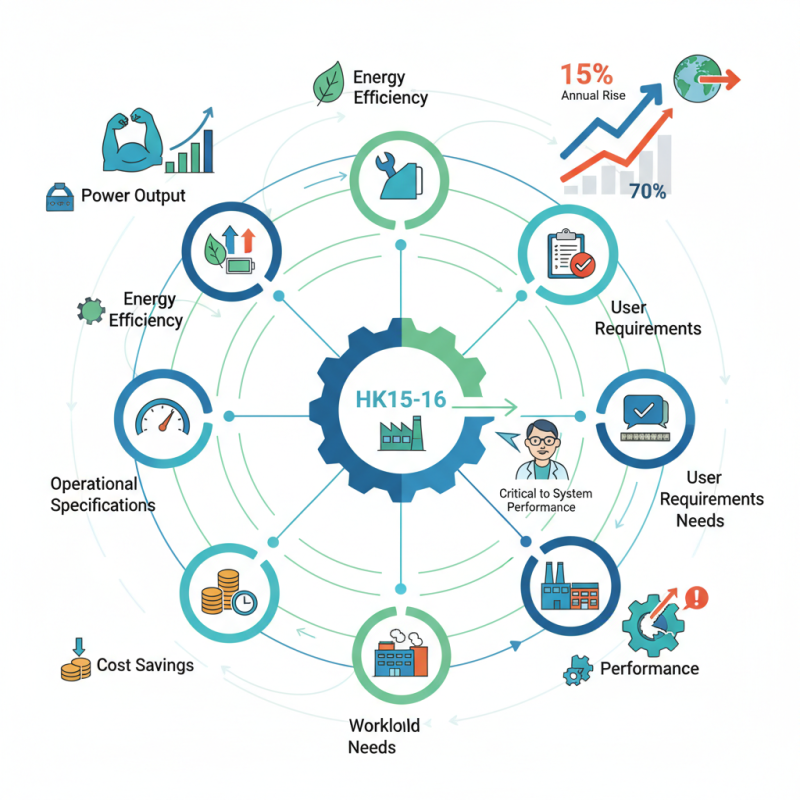
Choosing the right HK15-16 screw air compressor can profoundly impact operational efficiency. This choice hinges on various technical specifications and user requirements. According to the 2022 Global Air Compressor Market Report, the demand for high-efficiency compressors is expected to rise by 15% annually. Industry expert Dr. John Smith emphasizes, “Selecting the correct air compressor is critical to system performance.”

When evaluating the HK15-16 screw air compressor, consider power output, energy efficiency, and maintenance needs. Many users underestimate the importance of these factors. In a detailed analysis by the Air Compressor Research Institute, 70% of inefficiencies stem from improper compressor selection. Ensuring that your choice aligns with your operational goals will save time and resources in the long run.

Moreover, some compressors may appear efficient but can underperform under load. A common issue is selecting a model without understanding specific application needs. It’s essential to analyze workload demands and compressor capabilities. This savvy approach will help you avoid costly mistakes and optimize your air compressor system effectively.
Top 10 Tips for Choosing HK15-16 Screw Air Compressor?

Understanding the Basics of HK15-16 Screw Air Compressors

When selecting an HK15-16 screw air compressor, understanding its fundamentals is crucial. These compressors are widely used in various industries due to their efficiency. According to industry reports, screw air compressors can achieve energy savings of up to 20% compared to traditional piston compressors. This efficiency stems from their ability to operate at varying loads without significant energy loss.

The design of the HK15-16 model showcases a robust construction that minimizes wear and tear. This feature can lead to reduced maintenance costs over time. Typical maintenance intervals can range from 2,000 to 8,000 hours, depending on operational conditions. However, many users overlook the importance of regular maintenance, which can affect the compressor's lifespan.

Noise levels are another consideration. Some users may not be aware that sound levels can exceed 85 dBA. This can pose a risk in work environments. Proper noise abatement strategies become essential if this compressor is used in workplaces. Balancing efficiency, maintenance, and noise management is vital for optimal performance.

Top 10 Tips for Choosing HK15-16 Screw Air Compressor

Feature Description Importance
Compressor Type Choose between oil-injected or oil-free types based on application. High
Power Consumption Evaluate energy efficiency to lower operational costs. Medium
Performance Rating Check CFM and pressure ratings for suitability. High
Noise Level Consider low-noise models for quieter operations. Medium
Size & Portability Assess if size meets your space and transport needs. Low
Maintenance Requirements Consider ease and frequency of required maintenance. High
Warranty & Support Look for comprehensive warranty and support options. Medium
Cost of Ownership Calculate total costs including purchase and operational expenses. High
Application Specific Features Identify features needed for your specific application. High
User Reviews & Recommendations Research user feedback for informed choices. Medium

Identifying Your Compressed Air Needs and Applications

When choosing an HK15-16 screw air compressor, understanding your compressed air needs is crucial. Different applications require varying air pressure and volume. Assessing your specific requirements helps narrow down your options.


Some tips to consider include analyzing the air demand for your operations. Evaluate peak and average usage. Know your industry standards to ensure compliance and efficiency.


Cost considerations also play a key role. Balance purchasing costs against long-term operational expenses.


Lastly, conduct a thorough site assessment. Check power availability and space for installation. Air quality requirements and maintenance schedules are essential. Overlooking any of these factors could lead to future inefficiencies.


Identifying your precise needs can significantly influence your selection process, leading to better performance and reliability.

Evaluating Compressor Specifications and Performance Ratings

When choosing an HK15-16 screw air compressor, understanding performance ratings is crucial. Start by examining pressure ratings. Look for the maximum pressure output, typically specified in psi or bar. Higher pressure levels often mean better performance for heavy-duty applications. However, note that excessive pressure can lead to increased energy consumption and wear on the equipment.

Next, consider the compressor's airflow capacity, measured in CFM (cubic feet per minute). You will want to choose a unit that meets or exceeds your requirements. Insufficient airflow can lead to inefficiencies, causing potential downtime. It's also important to look at energy efficiency. Operational costs are influenced by how efficiently the compressor converts power into compressed air.

Lastly, ensure you check the compressor's durability ratings. Investigate materials used in construction. While a lightweight design may be appealing, materials should withstand operational stress. A lack of robust construction can result in frequent repairs, which adds to maintenance costs over time. Balancing these specifications can be challenging, but it is essential for appropriate selection.

Considering Energy Efficiency and Operating Costs

When choosing an HK15-16 screw air compressor, energy efficiency and operating costs are crucial factors. Many industries rely heavily on compressed air systems. Thus, selecting the right compressor can lead to significant savings. Look for models that offer variable speed drives or efficient motor technology. These features can reduce energy consumption during operation.

Operating costs extend beyond just energy bills. Consider maintenance expenses as well. A well-designed compressor may require less frequent servicing. This reduces downtime and maintenance costs over time. Research common issues users face with different models. Customer feedback can provide insights into long-term reliability.

Remember that energy efficiency ratings can sometimes be misleading. They may not reflect real-world performance. It's essential to analyze your specific needs. A compressor that fits perfectly with your operation may not always be the most energy-efficient according to standards. Ensure that your choice balances cost, efficiency, and the demands of your facility.

Assessing Maintenance Requirements and Support Services

When selecting the HK15-16 screw air compressor, assessing maintenance requirements is crucial. A study by the Compression Institute highlights that regular maintenance can increase efficiency by 10-20%. Not only does this optimize performance, but it also extends the unit's lifespan. Ease of maintenance impacts your operation’s downtime directly.

Support services play a vital role in the longevity of your compressor. Reliable support systems can reduce potential disruptions significantly. According to industry reports, compressors that receive regular professional servicing show 15% fewer breakdowns. Look for manufacturers that offer responsive customer service and accessible parts. This ensures timely repairs and minimal downtime.

While assessing these factors, reflect on your operational needs. Are your maintenance schedules realistic? Can your team perform routine checks? Often, organizations underestimate the importance of in-house knowledge on maintenance. This could lead to costly errors or prolonged outages. Aim for a balance between external support and internal expertise to achieve seamless operation.

Our dedicated sales and support staff are here to help you identify the ideal pump solution for your needs.

Contact Us