
Top 5 Tips for Choosing Middle East Gas Liquid Hybrid Instruments?

Choosing the right instrument for gas measurements in the Middle East is critical. The Middle East Gas Liquid Hybrid Gas Dilution Instrument stands out among various options. Selecting the right device can enhance your operations and ensure accurate data collection.

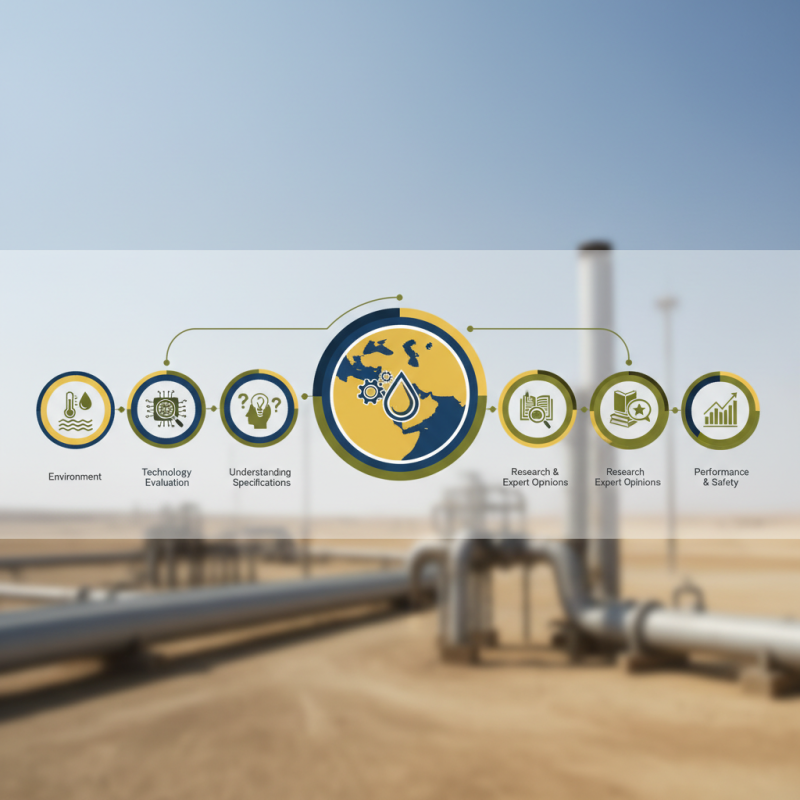
Many factors influence the decision-making process. The environment in which the instrument will be used matters. Consider temperature, humidity, and potential contaminants. Each of these elements can impact the accuracy of measurements. It is important to evaluate the available technologies and their suitability for your specific needs.

Users often face challenges in understanding instrument specifications. Complex terms can lead to confusion and poor choices. Taking the time to explore the features and benefits of various models is essential. Research and expert opinions can guide you in making informed decisions. A well-selected gas dilution instrument can improve performance and safety significantly. Investing time in this process is worthwhile for the desired outcomes.
Top 5 Tips for Choosing Middle East Gas Liquid Hybrid Instruments?

Understanding the Importance of Gas Liquid Hybrid Instruments in the Middle East

Gas liquid hybrid instruments play a pivotal role in the Middle East's energy sector. These devices contribute to the efficient measurement of mixed-phase fluids, which are common in oil and gas operations. According to a 2022 report by the International Energy Agency, the demand for accurate flow measurement in this region is expected to grow by 15% over the next five years. This increase highlights the need for effective hybrid instruments capable of handling complex gas-liquid interactions.

High temperatures and pressures characterize the Middle Eastern oil fields. Many traditional measurement devices struggle under these harsh conditions. The hybrid instruments can withstand extreme environments while maintaining precision. Notably, the API recommended that industry players adopt advanced hybrid technology to improve operational efficiency. However, selecting an appropriate device can be challenging, as the market offers numerous options, each with unique specifications.

Successful implementation of gas liquid hybrid instruments requires careful consideration of the specific application. It is essential to assess factors such as viscosity, density, and temperature variations. These parameters impact the performance of the instruments. Not every gas liquid hybrid will deliver optimal results. A one-size-fits-all approach may lead to inaccuracies, affecting overall productivity. Addressing this complexity is crucial for maximizing the benefits of these instruments in the region’s fast-evolving energy landscape.

Key Factors to Evaluate When Selecting Hybrid Instruments

When selecting hybrid instruments for Middle East gas and liquid applications, several key factors must be considered. The operating environment is vital. Consider temperature and pressure ranges specific to your application. Instruments must endure harsh conditions. Evaluate the materials used in their construction. Corrosion resistance is critical due to the nature of gas and liquid interactions.

Another important consideration is calibration and maintenance requirements. Instruments that require frequent adjustments can become a liability. Look for those providing stable readings over extended periods. This enhances reliability and reduces downtime. Make sure there is a clear support system in place. It guarantees reliable performance over time.

Don't underestimate the importance of accurate data output. The ability to integrate with existing systems matters significantly. Evaluate how well the hybrid instruments communicate with your current technology. Lack of compatibility can lead to significant delays. In the dynamic gas and liquid sectors, every detail counts. Small oversights can lead to larger issues. Often, choosing the right instrument requires time and reflection. Prioritize gathering insights from industry professionals.

Assessing the Environmental Impact of Hybrid Instruments in Gas Operations

The integration of hybrid instruments in Middle East gas operations is crucial for reducing environmental impact. Hybrid technologies combine traditional gas processes with advanced liquid systems. This blend minimizes emissions and enhances energy efficiency. According to the International Energy Agency (IEA), hybrid systems can lower carbon emissions by up to 25%. This significant reduction contributes to global climate goals.

Moreover, assessing the lifecycle environmental impact is essential. A study by the Environmental Protection Agency (EPA) indicates that the production of hybrid instruments can lead to resource depletion if not managed properly. Many companies overlook waste management during early stages. Ignoring this can result in increased pollution and habitat disruption. Awareness of these issues is vital in the decision-making process.

It is also necessary to consider the long-term operational efficiency of hybrid systems. While initial costs may be higher, operational savings can be substantial. Reports suggest that companies could save 15% annually on energy costs once implemented efficiently. However, continual evaluation and adaptation are vital for sustainable practices. Over-reliance on technology without proper oversight may lead to unforeseen consequences.

Cost-Benefit Analysis of Different Hybrid Instrument Options

Evaluating hybrid instruments for gas-liquid applications in the Middle East requires careful consideration of costs and benefits. It’s essential to analyze various options based on their performance, longevity, and maintenance requirements. A comprehensive cost-benefit analysis can reveal the long-term savings associated with more efficient equipment. By investing in quality systems, companies may minimize downtime and operational disruptions.

Moreover, examining energy consumption is crucial. Instruments with lower energy demands can drastically reduce operational costs over time. Yet, opting for advanced technology may come with higher upfront costs. It’s important to evaluate if these expenses align with the overall budget and operational goals. Some organizations find themselves underestimating the importance of training staff on new systems, leading to less effective use of resources.

Many find it challenging to balance initial expenditure against potential savings. Every choice comes with risks and trade-offs. While some instruments may offer lower costs, they might lack longevity. Relying solely on initial price can result in unexpected long-term costs. Identifying a balance between cost and efficiency can lead to better decisions, ultimately driving operational success.

Top 5 Tips for Choosing Middle East Gas Liquid Hybrid Instruments

Instrument Type Cost ($) Maintenance Frequency (Years) Accuracy (%) Advantages Disadvantages
Standard Hybrid Instrument 5,000 2 95 Cost-effective, reliable Moderate accuracy
Advanced Hybrid Instrument 10,000 4 99 High accuracy, durable Higher initial cost
Portable Hybrid Instrument 3,500 1 90 Easy to transport, quick setup Lower accuracy
Smart Hybrid Instrument 15,000 5 98 Integrated technology, high efficiency Complex user interface
Rugged Hybrid Instrument 8,000 3 94 Durable in harsh environments More expensive to maintain

Future Trends in Middle East Gas Liquid Hybrid Instrument Technology

The Middle East is witnessing a notable evolution in gas liquid hybrid instrument technology. Recent reports indicate that by 2025, the demand for these instruments is expected to grow by 15% annually. This surge is driven by the region's emphasis on enhanced measurement accuracy and efficiency in gas and liquid measurement. Companies are investing heavily in research and development to meet these rising demands.

Innovative technologies such as advanced sensors and data analytics are reshaping the landscape. Hybrid instruments are increasingly incorporating IoT capabilities. This allows for real-time monitoring and streamlined operations. Yet, many organizations face challenges in integrating these technologies into existing workflows. Legacy systems often hinder their ability to take full advantage of new features.

Sustainability is another key trend. Many stakeholders are focusing on reducing their environmental impact. Hybrid instruments that support lower emissions and improved energy efficiency are becoming essential. A report from the International Energy Agency indicates that optimizing these instruments can save up to 20% in operational costs. However, achieving these savings often requires an upfront investment and a commitment to training personnel on new systems. These complexities reflect the ongoing evolution in the field.

Our dedicated sales and support staff are here to help you identify the ideal pump solution for your needs.

Contact Us