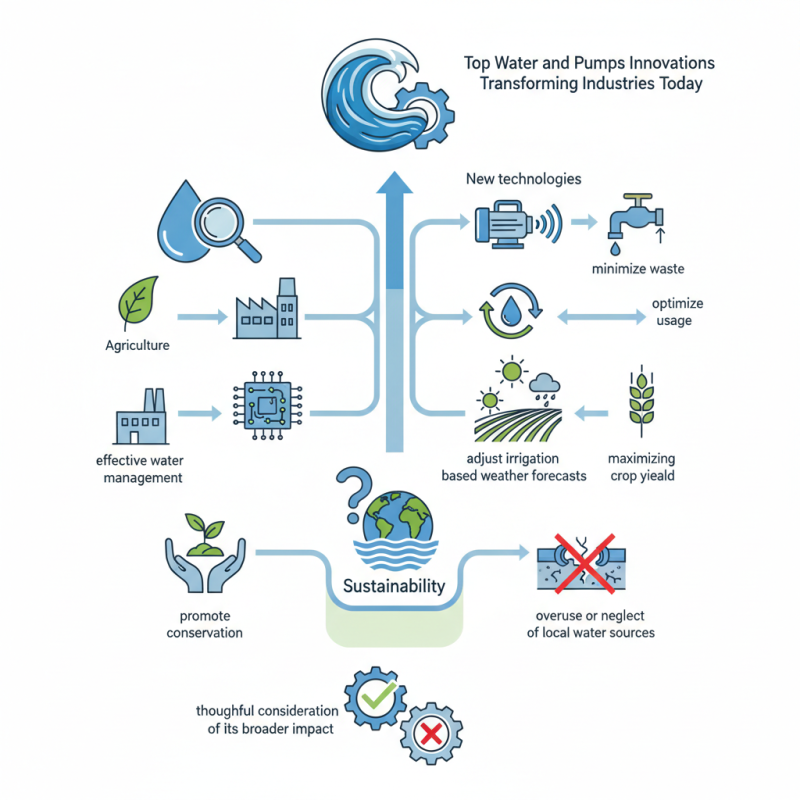
The world of water and pumps is evolving rapidly. Innovations in these sectors are reshaping countless industries. From agriculture to manufacturing, effective water management is crucial. New technologies enhance efficiency and reduce costs.
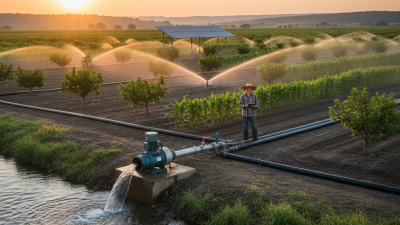
Consider smart pumps that monitor and adjust flow in real time. This minimizes waste and optimizes usage. Imagine a farm that can adjust irrigation based on weather forecasts, maximizing crop yield. Yet, not all innovations are flawless. Some rely too heavily on technology, creating new challenges, such as technical failures.
Water and pumps innovations also raise questions about sustainability. Are we using our resources wisely? Advanced systems can promote conservation. However, without proper oversight, they might lead to overuse or neglect of local water sources. Thus, embracing innovation requires thoughtful consideration of its broader impact.
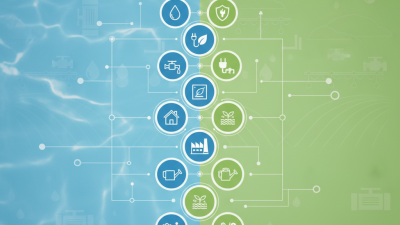
Emerging smart water management systems are revolutionizing industries. These systems leverage IoT technology, reducing waste and enhancing efficiency. Data shows that industries using smart systems can cut water usage by 30%. This is crucial as global water scarcity intensifies.
Implementing these technologies isn't without challenges. Many companies struggle with integrating new systems into existing frameworks. It's a significant hurdle that requires careful planning and investment. However, when done correctly, the benefits are substantial. Enhanced monitoring capabilities allow companies to track usage in real-time. This leads to timely maintenance and reduced operational costs.
Adoption of smart water management is increasing, yet many still lag behind. A recent report highlighted that 40% of businesses are slow to adopt these innovations. Fear of high upfront costs is a common barrier. But the long-term savings often outweigh initial investments. As industries continue to embrace these changes, a more efficient future can emerge.
Innovative pump technologies are reshaping industries by enhancing efficiency and promoting sustainability. Recent studies indicate that advanced pumps can improve energy efficiency by up to 30%. This significant boost helps reduce operational costs and environmental impact. For many sectors, especially manufacturing, integration of smart pump systems is crucial. These systems utilize real-time data to optimize performance, reducing waste.
Many industries still rely on outdated technologies. About 40% of existing pumps are classified as inefficient. This inefficiency can lead to increased energy consumption and higher operational costs. Addressing this issue is vital. In some cases, retrofitting older pumps with modern controls can yield impactful results.
Sustainability is a pressing concern. The water pump industry is exploring greener alternatives. Emerging technologies utilize renewable energy sources to reduce reliance on fossil fuels. Reports show that adopting eco-friendly pumps can cut carbon emissions by up to 25%. However, some manufacturers hesitate to invest due to initial costs. Balancing innovation and expenditure remains a challenge that requires reflection.
| Innovation | Description | Efficiency Improvement (%) | Sustainability Impact | Industry Application |
|---|---|---|---|---|
| Smart Pump Systems | Automated pumps with IoT connectivity for real-time monitoring. | 25 | Reduces energy consumption significantly. | Industrial Manufacturing |
| Solar-Powered Pumps | Pumps powered by renewable solar energy, ideal for remote areas. | 40 | Significantly lowers carbon footprint. | Agriculture |
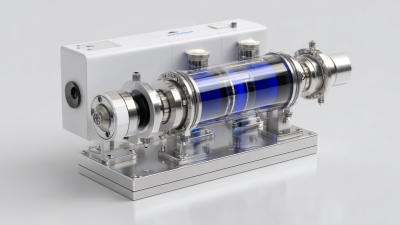
| Magnetic Drive Pumps | Eliminates mechanical seals for reduced maintenance and leaks. | 30 | Minimizes operational hazards and spills. | Chemical Processing |
| Variable Frequency Drives (VFD) | Adjusts motor speed to match demand, increasing efficiency. | 20 | Optimizes energy use and reduces waste. | Water Treatment |
| Biodegradable Pump Components | Components made from eco-friendly materials. | N/A | Reduces plastic waste in the environment. | General Manufacturing |
The Internet of Things (IoT) is reshaping water resource monitoring and management. Sensors are now placed in water sources. These devices measure various parameters like temperature and quality in real-time. As data flows in, decision-makers gain valuable insights. However, the integration of IoT can be complex. Sometimes, the data may be overwhelming. Not all organizations are equipped to analyze large datasets effectively.
Smart irrigation systems are another innovation. They adjust water usage based on weather forecasts and soil moisture. This technology saves water and enhances crop yield. Still, technology isn’t foolproof. Malfunctions can occur and lead to over- or under-irrigation. This highlights a gap in maintenance and support systems.
Moreover, IoT helps track leaks in pipelines. Real-time alerts can prevent water loss. Yet, many pipelines remain unmonitored. This oversight can lead to significant resource wastage. As industries adopt these innovations, a reevaluation of existing infrastructure is necessary. Embracing IoT is essential but not without its challenges.
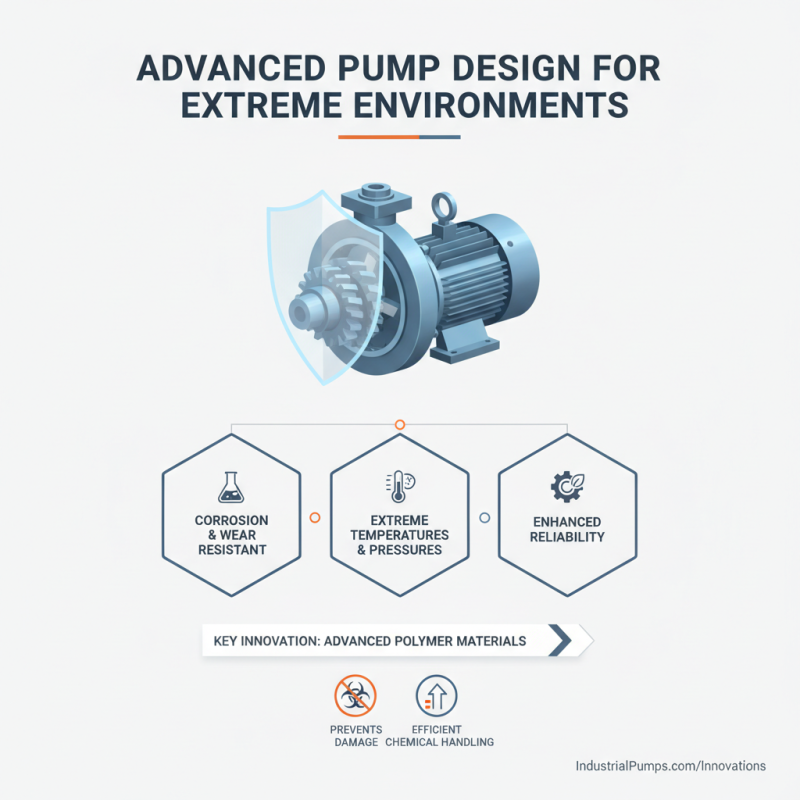
The advancements in pump design have significantly changed operations in harsh industrial environments. New materials are now employed, making pumps more resistant to corrosion and wear. These innovations can withstand extreme temperatures and pressures, which enhances reliability. For instance, pumps made from advanced polymers can perform efficiently in chemicals that previously would have damaged conventional materials.
Yet, not all designs achieve perfection. Some new pumps may face unexpected challenges during field tests. Operators report that while some models excel in specific conditions, they falter in others. This inconsistency makes it essential for engineers to gather feedback continuously. Understanding the roots of these failures fosters improvement and innovation in future designs.
Moreover, energy efficiency remains a concern. Although modern pumps aim to reduce energy consumption, many still operate inefficiently in real-world applications. Monitoring their performance is critical. Companies need to invest time and resources into optimizing these systems, but they often overlook this aspect. Investing in ongoing training for personnel can lead to enthusiasts who drive change and improvement in pump operations.
The role of renewable energy in powering water and pump solutions is vital today.
Solar and wind energy are transforming how water is extracted and moved. These sources reduce reliance on fossil fuels, making operations more sustainable. Many industries benefit from this shift. However, challenges remain in storage and efficiency.
For instance, solar-powered pumps operate effectively in remote areas. They enhance access to clean water where it is scarce. Yet, these systems can be expensive, limiting their reach. Data shows not all regions can afford this technology. In contrast, wind energy can also drive water pumps, especially in agricultural settings. Combining these resources can lead to a more robust supply chain.
Still, the integration of renewables is not without its flaws. Maintenance of solar panels is crucial and can be overlooked. Some technologies are still maturing, requiring ongoing investment. The balance between innovation and practicality often needs reevaluation. Sustainability is a journey, and each step carries lessons.
We are here to help you with all your queries and concerns, just write to us using the below form and we will get back to you as soon as we can.