Top Water Pump Types for Efficient Water Management Solutions?
Water management is a crucial aspect of various industries and everyday life. Efficient water pump technology plays a vital role in this process. Choosing the right water pump water type can significantly enhance productivity and reduce costs.
There are many water pump types available, each designed for specific applications. Some pumps excel in residential use, while others are perfect for industrial settings. Understanding the strengths and weaknesses of each type is essential.
Not all water pumps are created equal. Considerations such as energy efficiency, maintenance requirements, and cost-effectiveness are important. Users often overlook these factors, leading to inefficient water management solutions. By focusing on reliable water pump water options, better results can be achieved.
Overview of Water Pump Types for Efficient Management
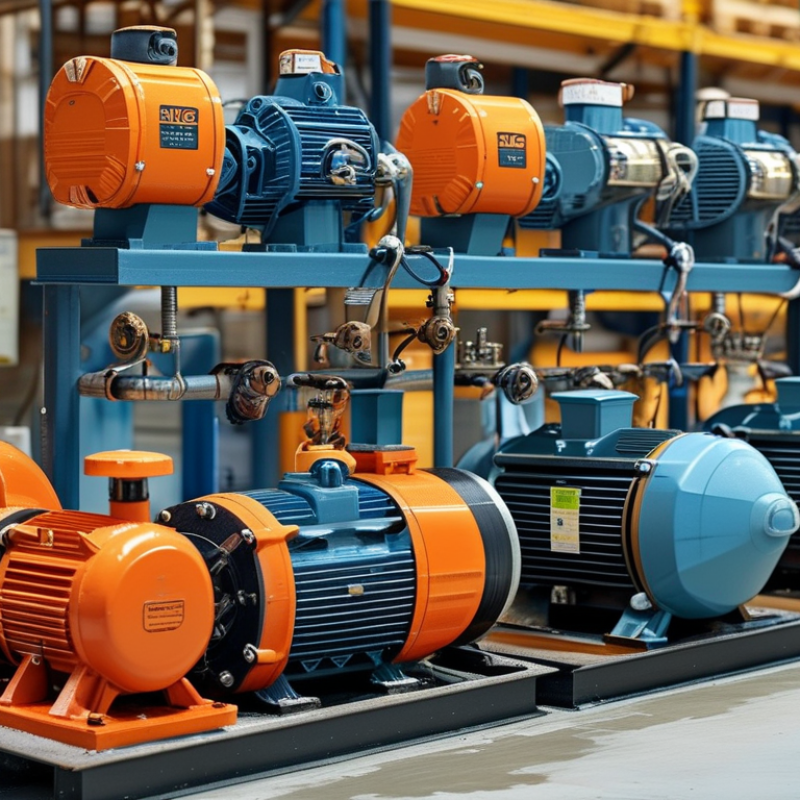
Water management is essential for various industries. Understanding water pump types can enhance efficiency. Each type has unique applications and performance metrics. Centrifugal pumps are among the most common, making up 80% of the market due to their ability to handle large volumes efficiently. Their design allows them to operate effectively in both clean and dirty water, making them versatile.
Another significant category is submersible pumps. They are designed to be submerged in water, making them ideal for deep well applications. Their efficiency can be quantified; they can achieve flow rates between 50 to 10,000 gallons per hour. However, their installation and maintenance can be challenging due to their placement in hostile environments.
Diaphragm pumps, often used for chemical transfer, provide precise flow control. They offer a unique advantage with self-priming capabilities. However, their performance can be limited when handling high-viscosity fluids. According to industry reports, understanding the specific requirements of each pump type is crucial. Matching the right pump to the application can lead to a reduction in energy consumption by up to 30%. This choice can significantly impact overall operational efficiency.
Benefits of Using Centrifugal Pumps in Water Systems
Centrifugal pumps are crucial for efficient water management. They use rotational energy to move water, making them effective for various applications. These pumps can handle large volumes of water at a consistent flow rate. Their design allows them to be energy-efficient, which is beneficial for both cost and resource management.
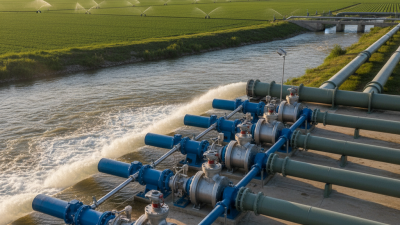
One significant advantage of centrifugal pumps is their versatility. They can be adapted for different systems, from irrigation to municipal water supply. Their simple design also means fewer mechanical parts, leading to easier maintenance. This reliability is essential for water systems that must operate continuously. However, improper sizing or installation can lead to inefficiencies, requiring careful planning and expert advice.
In many cases, users overlook the importance of regular maintenance. Neglecting this aspect can lead to performance issues over time. Routine checks can prevent unforeseen failures. Investing in proper installation and maintenance can significantly enhance pump efficiency and lifespan. Overall, centrifugal pumps offer many benefits, but attention to detail is necessary for optimal performance.
Submersible Pumps: Ideal Solutions for Deep Water Extraction
Submersible pumps are essential tools for deep water extraction. These pumps are designed to operate underwater. Their structure allows them to push water to the surface efficiently. They are often used in wells, basements, and for draining flooded areas. The efficiency of these pumps lies in their ability to handle various water depths.
When selecting a submersible pump, consider specific requirements. The depth of the water source is crucial. Additionally, water quality can affect pump performance. Pumps may face challenges in muddy or debris-laden environments. Regular maintenance can help mitigate these issues. Users should observe their pumps for signs of wear. This proactive approach ensures a longer lifespan and better efficiency.
The versatility of submersible pumps makes them invaluable. They can be used in residential and industrial settings. However, choosing the right pump requires some research. It's not a one-size-fits-all situation. Careful consideration of pump capacity, energy efficiency, and installation challenges is necessary. Reflecting on your specific needs will guide you towards the best solution.
Positive Displacement Pumps: Mechanisms and Applications
Positive displacement pumps play a crucial role in various industries, ensuring efficient water management solutions. These pumps operate by trapping a fixed amount of fluid and then forcing it into the discharge pipe. This mechanism allows for a reliable and constant flow rate, regardless of pressure variations. According to a recent report by the Global Market Insights, the positive displacement pump market is projected to reach $19 billion by 2026, showcasing its growing importance in sectors like agriculture and industrial processes.
However, while positive displacement pumps offer many advantages, they are not without challenges. The maintenance of these pumps can be labor-intensive. Regular monitoring is essential for optimal performance. Misalignment or wear and tear can lead to significant efficiency losses. Data shows that improper maintenance accounts for nearly 30% of pump failures. This emphasizes the need for routine inspections and the adoption of predictive maintenance strategies to enhance reliability.
In applications where precise fluid delivery is vital, positive displacement pumps excel. They are widely utilized in metering and dosing systems across industries. Their ability to handle viscous fluids, slurries, and even shear-sensitive materials makes them invaluable. Still, it's imperative to choose the right pump type based on specific application requirements. The experience and expertise of engineers play a significant role in making these critical decisions.
Factors to Consider When Choosing a Water Pump for Efficiency
Choosing the right water pump for efficiency involves various factors that can impact your water management system. Evaluate the pump type based on your specific needs, whether it's for irrigation, drainage, or industrial use. Consider the flow rate and pressure requirements, as these directly influence efficiency. A pump that operates too far outside its optimal range can lead to increased energy consumption.
Another crucial aspect is the power source. Electric pumps tend to be more efficient for continuous use, while solar pumps offer a sustainable solution for remote areas. However, installing solar systems can be complicated and may require professional assistance. Pay attention to the materials used in constructing the pump. Corrosion-resistant materials can increase the lifespan and efficiency of the pump in challenging environments.
When selecting a pump, don’t overlook maintenance needs. Pumps that require frequent servicing can diminish overall efficiency. Regularly check for signs of wear and ensure proper alignment. Improper installation can also lead to inefficiencies. Take the time to read user manuals and consult experts when necessary. Each choice you make impacts performance and sustainability, so it’s worth considering.
Top Water Pump Types for Efficient Water Management Solutions
| Pump Type |
Efficiency (%) |
Flow Rate (GPM) |
Head Height (ft) |
Power Source |
| Centrifugal Pump |
70-85 |
100-1000 |
10-300 |
Electric |
| Submersible Pump |
60-80 |
50-500 |
15-200 |
Electric |
| Diaphragm Pump |
50-75 |
10-150 |
5-25 |
Pneumatic/Electric |
| Positive Displacement Pump |
75-90 |
20-300 |
10-150 |
Electric/Pneumatic |
| Gear Pump |
70-85 |
5-200 |
10-50 |
Electric |