Why Choose Carbon Fiber Rods for Your Projects?
In recent years, Carbon Fiber Rods have garnered significant attention in various industries. Dr. Emily Roberts, a leading expert in materials engineering, once stated, “Carbon Fiber Rods offer unmatched strength and lightweight properties that redefine project capabilities.” This sentiment underscores the appeal of these innovative materials.
The unique characteristics of Carbon Fiber Rods make them ideal for a wide range of applications. Their extraordinary strength-to-weight ratio allows for enhanced performance in construction, aerospace, and sports equipment. A construction project benefits from reduced load on structures, while aerospace engineers appreciate the fuels savings due to lighter designs. However, the high costs associated with Carbon Fiber Rods can be a drawback for some.
Despite the challenges, the overall advantages make Carbon Fiber Rods a worthy consideration. Their durability and resistance to corrosion add to their reliability. This reliability can transform project outcomes, leading to longer-lasting results. Choosing Carbon Fiber Rods might require careful budgeting. Yet, the potential benefits often outweigh the initial investment.
Benefits of Carbon Fiber Rods in Modern Engineering Applications
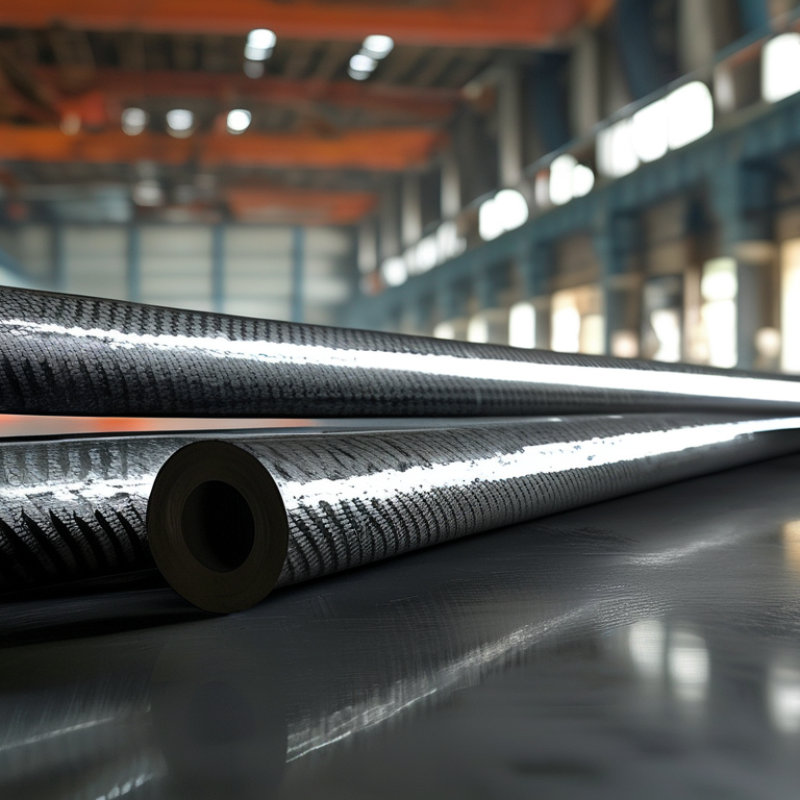
Carbon fiber rods have become a go-to material in modern engineering. They offer impressive strength combined with lightweight properties. This makes them ideal for various applications, from aerospace to automotive engineering. Engineers often select carbon fiber rods to enhance performance while reducing overall weight. This balance is crucial for projects requiring speed and efficiency.
Another significant benefit of carbon fiber is its corrosion resistance. Unlike metals, carbon fiber doesn’t rust or corrode over time. This durability extends the lifespan of the projects utilizing this material. Additionally, carbon fiber rods maintain their structural integrity in extreme conditions. This is a vital consideration for engineers working in challenging environments.
However, there are challenges linked to using carbon fiber. The manufacturing process can be complex and costly. Not all engineers may have access to the necessary expertise. This underlines the importance of thorough research before selecting materials for a project. While carbon fiber rods present numerous advantages, they may not always be the best choice for every application. Understanding the specific requirements of each project is essential.
Comparison of Carbon Fiber Rods to Traditional Materials
When comparing carbon fiber rods to traditional materials, several key differences emerge. Carbon fiber rods often excel in strength-to-weight ratios. According to a study by the American Composites Manufacturers Association, carbon fiber is five times stronger than steel but weighs significantly less. This characteristic makes it ideal for applications where weight savings are critical, such as aerospace and automotive engineering.
In contrast, traditional materials like aluminum and steel may offer durability but fall short in flexibility and potential for design innovation. A report by the National Institute of Standards and Technology indicates that carbon fiber has a lower thermal expansion coefficient, leading to better dimensional stability under varying temperatures. This is particularly beneficial in high-performance settings where structural integrity is paramount.
While carbon fiber rods present numerous advantages, they are not without limitations. Their higher cost can be a barrier for some projects. Additionally, the manufacturing process can be more complex, requiring specialized equipment and expertise. These factors necessitate careful consideration when deciding on materials, highlighting that not every project will benefit from carbon fiber use. The decision ultimately depends on balancing performance needs and budget constraints.
Factors to Consider When Selecting Carbon Fiber Rods for Projects
When selecting carbon fiber rods for your projects, several critical factors come into play. First, consider the strength-to-weight ratio. Carbon fiber is known for its high strength while remaining lightweight. This characteristic makes it suitable for applications where weight reduction is essential, such as in aerospace or automotive industries. Also, take into account the rod's diameter and flexibility. A thinner rod might be easier to work with but may not provide the necessary strength for heavier loads.
Durability is another essential factor. Carbon fiber rods resist corrosion and fatigue better than many alternatives. This longevity can reduce maintenance costs over time. However, it's crucial to recognize that improper handling or installation can lead to failure. Ensure you have the right tools and techniques when working with these materials.
One aspect that often gets overlooked is the environment where the rods will be used. High temperatures or exposure to chemicals can affect their performance. Make sure to evaluate your project’s specific conditions. As you plan your project, it's beneficial to consult with experts when in doubt. Overall, comprehensive research is key.
Applications of Carbon Fiber Rods in Various Industries
Carbon fiber rods have become essential in various industries due to their unique properties. In aerospace, these rods offer a lightweight and high-strength alternative to traditional materials. Research indicates that carbon fiber composites can be up to five times stronger than steel while being significantly lighter. This advantage has led to enhanced fuel efficiency and performance in aircraft.
The automotive sector also benefits from carbon fiber rods. Their use in car manufacturing contributes to better performance and fuel economy. A study by the Carbon Fiber Market Report shows that the automotive industry is projected to grow by over 20% from 2020 to 2025, driven in part by the demand for lightweight materials. However, integrating carbon fiber into mass production presents challenges. The cost of production remains high, limiting wider adoption.
Construction and civil engineering utilize carbon fiber rods for reinforcement. They are used to strengthen bridges and buildings, offering durability and resistance to environmental degradation. This application is particularly relevant in seismic zones where traditional materials might fail. Yet, despite their advantages, the long-term performance of carbon fibers in extreme conditions remains an area for further study.
Cost Analysis: Is Investing in Carbon Fiber Rods Worth It?
Carbon fiber rods are becoming increasingly popular in various industries due to their superior strength and lightweight properties. However, when considering investment, cost efficiency must be evaluated critically. Research indicates that the initial cost of carbon fiber materials can be significantly higher than alternatives, averaging around 20% to 40% more. This can deter projects with tight budgets.
Despite the higher upfront costs, the longevity and durability of carbon fiber rods can justify this investment. Projects that utilize carbon fiber can see reduced maintenance costs, as these rods are resistant to corrosion and fatigue. In certain applications, the lifespan can exceed traditional materials by several years, potentially saving money over time. According to recent studies, organizations using carbon fiber experience up to a 30% decrease in long-term operational costs.
Nonetheless, these benefits don’t come without challenges. The need for special handling and expertise during installation may also introduce additional costs. If not properly managed, these factors can lead to budget overruns. Prospective users must weigh the initial investment against long-term savings comprehensively. Understanding the complete lifecycle costs is essential for a realistic assessment.
Why Choose Carbon Fiber Rods for Your Projects? - Cost Analysis: Is Investing in Carbon Fiber Rods Worth It?
| Project Type | Material Used | Weight (grams) | Cost ($) | Durability Rating | Flexural Strength (MPa) |
| Drone Frame | Carbon Fiber | 500 | 200 | 9/10 | 600 |
| Sports Equipment | Carbon Fiber | 300 | 150 | 8/10 | 700 |
| Automotive Parts | Carbon Fiber | 800 | 300 | 10/10 | 500 |
| Aerospace Components | Carbon Fiber | 1200 | 500 | 10/10 | 800 |
| Bicycle Frames | Carbon Fiber | 600 | 250 | 9/10 | 550 |