Choosing the right pump for pumping out water is crucial. It impacts efficiency and effectiveness in managing water removal tasks. Many people overlook the importance of selecting the best pump, leading to poor performance.
A quality pump can significantly reduce time and energy spent on water removal projects. Whether dealing with flooding, basements, or pools, an appropriate pump is essential. However, inexperience can lead to costly mistakes. It's vital to understand your specific needs before purchasing.
Different pumps serve various purposes. Some are designed for heavy-duty tasks, while others are suitable for lighter jobs. Evaluating your requirements helps clarify which pump for pumping out water will best meet your needs. Balancing factors like power, capacity, and durability ensures you make an informed choice. Remember, it's about more than just buying a pump; it's about investing in a solution that works effectively for you.

Choosing the right pump for water removal is crucial in various applications, from construction to landscaping. Different situations require different pump capacities and features. A submersible pump might be ideal for draining flooded basements, whereas a diaphragm pump may serve better in agricultural settings.
Selecting the wrong pump can lead to inefficiencies or failures. This may cause water damage or disrupt operations. A reliable pump can remove water quickly and effectively. However, not all pumps are created equal, and understanding their strengths and limitations is essential. For example, a high-capacity pump may be overkill for a small pond, while a lower capacity unit may struggle in larger applications.
Many ignore the conditions in which the pump will operate. Sediment, temperature, and the type of liquid being pumped significantly impact performance. It's important to assess these factors beforehand. Ignoring them can lead to excessive wear or pump breakdown. Therefore, investing time in understanding your needs will prove beneficial in the long run.

The choice of the right pump can significantly impact water removal efficiency in various applications. Below is a bar chart that illustrates the effectiveness of different pump types in terms of pumping capacity and energy consumption.
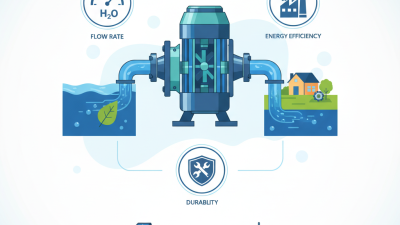
Choosing the right pump for water removal is crucial. Key factors include flow rate, head, and efficiency.
The flow rate defines how much water the pump can move, measured in gallons per minute (GPM). An optimal flow rate prevents flooding but requires understanding the specific water volume you need to handle.
Head refers to the height the pump can lift water. It’s essential to know the vertical distance from the water source to the discharge point. Choosing a pump with inadequate head can lead to inefficiency.
Pumps designed for higher head can often manage tough situations but may consume more energy.
Efficiency is the pump's ability to convert energy into water movement. A more efficient pump will save both energy and costs over time. A less efficient model may seem cheaper initially, leading to regrets later. You might find that errors in selecting pumps lead to high replacement rates, not to mention wasted time and effort.
When selecting a pump, always consider potential future needs. Reflect on the environment and conditions where it will operate. Adjusting for potential changes can save money down the road. Evaluate how your choices reflect on overall performance, ensuring a suitable fit for your water pumping needs.
When it comes to water removal, choosing the right pump is crucial. Submersible pumps operate underwater and excel in deep water situations. They are efficient for draining flooded basements or emptying ponds. These pumps are designed to handle solid particles in the water, which can be beneficial in certain conditions. However, they may require more maintenance due to exposure to potential debris.
Surface pumps, on the other hand, are ideal for shallow water applications. They do not need to be submerged and can be easily transported. Their setup is straightforward, making them accessible for DIY projects. Yet, surface pumps often struggle with water that exceeds a certain depth. They can also be less efficient for large volumes of water.
Deciding between these two types depends on specific needs. Consider the location and volume of water to be pumped. Each pump type has its strengths and weaknesses. The right choice involves careful thought about your unique situation. Understanding both options offers clarity when making this important decision.
When choosing a pump for water removal, understanding industry standards and regulations is essential. These guidelines ensure that equipment operates safely and efficiently. Compliance with local regulations can impact project timelines and overall safety. Regulations vary by region but commonly address energy efficiency, pump performance, and emission levels. Knowledge of these standards informs decisions and enhances project feasibility.
Many professionals overlook the importance of selecting compliant equipment. Using outdated or non-compliant pumps can lead to operational failures. Moreover, it can result in costly fines or project rework. Thorough research and consultation with experts in water pumping technology can mitigate these risks. Industry publications often provide insights into the latest developments in regulations.
Investing in pumps that meet established standards is a reflection of professionalism. Superior equipment enhances reliability in emergency situations. Regular training and updates on evolving regulations can prevent misunderstandings. Engaging with industry forums may uncover additional information. Remember that compliance isn’t just a checkbox; it represents a commitment to safety and operational excellence.
| Pump Type | Flow Rate (GPM) | Maximum Head (ft) | Power Source | Compliance Standards |
|---|---|---|---|---|
| Submersible Pump | 50 | 30 | Electric | NSF, UL |
| Centrifugal Pump | 100 | 60 | Diesel | ISO, API |
| Diaphragm Pump | 25 | 15 | Electric | EPA, CE |
| Trash Pump | 80 | 40 | Gasoline | ASME, ANSI |
When selecting a pump for water removal, cost efficiency matters. Long-term savings can outweigh initial expenses. A high-quality pump may have a higher upfront cost, but its durability and efficiency can save you money over time. Consider avoiding cheaper options. They often require more repairs and replacements, adding to costs.
Choosing the right pump can improve your energy efficiency too. Efficient pumps consume less power, which lowers your utility bills. Investing in a well-rated pump means fewer operational headaches. A reliable pump can work effectively for years, unlike subpar models that might fail often.
It's essential to think about the specific needs of your situation. Not every project requires the same type of pump. Assessing your requirements carefully can lead to better results. While initial research may take time, it pays off with smoother operation and reduced maintenance. A little reflection on your pumping needs now can lead to substantial savings in the future.
We are here to help you with all your queries and concerns, just write to us using the below form and we will get back to you as soon as we can.