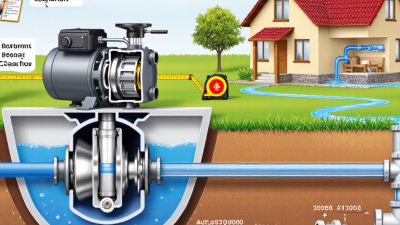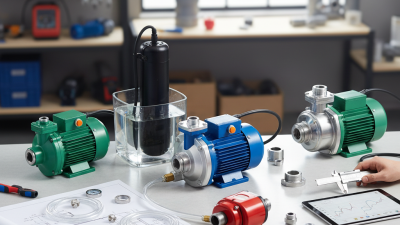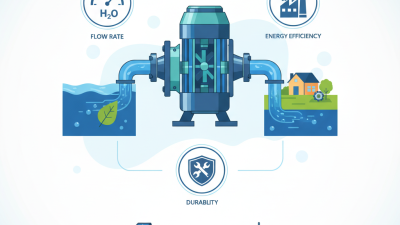
Choosing a reliable supplier water pump is a technical decision, not a simple price comparison. A pump may look efficient on a factory floor, yet fail under abrasive water, unstable voltage, or continuous duty. Global buyers need evidence beyond polished catalogs.
The World Health Organization and UNICEF Joint Monitoring Programme reported that 2.2 billion people lacked safely managed drinking water in 2022. This gap keeps demand high for dependable pumping equipment. The International Energy Agency has also identified water services as a significant electricity user worldwide. Meanwhile, the U.S. Department of Energy notes that pumping systems can consume 25% to 50% of industrial facility electricity. Efficiency matters.
But efficiency is not everything.
This guide reviews seven leading water pump suppliers for global buyers. It considers pump range, certifications, manufacturing experience, export support, spare-parts access, warranty terms, and lifecycle cost. Buyers should also inspect test reports, materials, motor protection, and local service capacity. A stainless-steel impeller, for example, may withstand corrosive water better than a lower-cost cast-iron option.
Dr. Lev Nelik, a recognized pump-system specialist, puts the issue simply: “The pump is only one part of the system.” His point deserves attention. Poor pipe sizing, weak controls, or incorrect installation can ruin a high-quality pump. Supplier claims require verification.
No ranking is perfect. Project conditions differ. Still, comparing these suppliers through transparent technical and commercial criteria can reduce avoidable risk. The best partner is not always the cheapest. It is the one that delivers reliable flow, documented performance, responsive support, and practical value after installation.
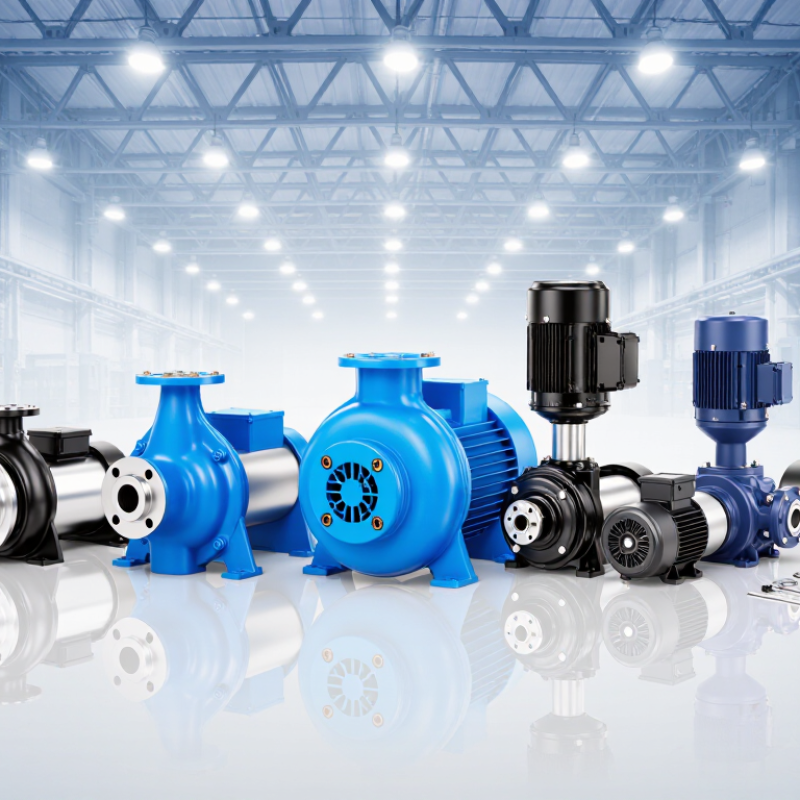
Choosing among the 7 best water pump suppliers starts with technical evidence, not catalog photos.
Global buyers should compare flow, head, materials, efficiency, and testing documents. A pump’s flow rate shows how much water it moves, usually in cubic meters per hour. Head shows the pressure needed to lift and push that water through pipes.
For example, a pump rated at 40 m³/h may not deliver that volume at 30 meters of head. Pipe length, bends, valves, elevation, and friction change the real duty point. Ask suppliers for a complete performance curve. Check whether the stated flow and head match your operating conditions. Small details matter.
ISO 9906 provides a recognized method for testing rotodynamic pump performance. It helps buyers assess flow, head, power, and efficiency accuracy. Request the declared tolerance grade and the factory test report. Do not accept “tested” as enough evidence. The test conditions should be clear.
Experience also suggests checking the motor voltage, seal material, bearing arrangement, spare-part access, and packaging quality. A strong supplier explains these points without avoiding difficult questions. A weak datasheet is a warning.
I have seen buyers select pumps by maximum head alone. That choice often creates poor flow and unnecessary energy use. It sounds reasonable. It is not always correct.
Ask for drawings, inspection records, warranty terms, and commissioning guidance. Confirm units carefully. Metric and imperial figures can create expensive misunderstandings. Supplier evaluation is not only about performance. It is also about whether the information remains reliable after shipment.
Industrial pumps rarely fail as isolated machines. Their motors can consume 20–30% of a facility’s industrial energy, depending on the process and operating hours. For global buyers, supplier selection should include motor efficiency, hydraulic performance, controls, and service support. A low purchase price may hide years of wasted electricity.
I have seen pumps run far from their design point, with valves partly closed and motors working continuously. This creates heat, noise, and unnecessary demand. Ask suppliers for verified efficiency curves, duty-point data, motor ratings, and lifecycle cost estimates. Request testing records, spare-parts availability, and clear maintenance guidance. These details reveal more than a polished catalogue. Sometimes, the data still feels incomplete.
Tips: Measure flow and pressure before choosing a replacement. Compare energy costs over five years, not just the invoice. Consider variable-frequency drives where demand changes. Check alignment, seals, and bearings regularly. A small pressure loss matters. However, a control system cannot fix an incorrectly sized pump. Independent engineering review is useful for large installations, especially when operating conditions vary across regions. Suppliers should also explain efficiency assumptions, warranty limits, and commissioning procedures in plain language.
Choosing the best water pump supplier requires more than comparing prices. A credible review of seven leading suppliers should examine certifications, manufacturing capacity, and service coverage. ISO 9001 supports quality management, while ISO 14001 indicates structured environmental controls. For electrical equipment, buyers should also verify applicable CE, UL, or equivalent regional compliance.
Demand remains substantial. The WHO/UNICEF Joint Monitoring Programme reported that 2.2 billion people lacked safely managed drinking water in 2022. This pressure increases the need for reliable municipal, agricultural, and industrial pumping systems. Supplier capacity therefore matters. Look for documented annual output, testing laboratories, spare-parts inventory, and evidence of handling large tenders. Factory photographs are not enough. Independent audits are stronger.
Global reach needs practical proof. A supplier with distributors in 50 countries may still provide slow technical support. Check regional warehouses, commissioning teams, warranty response times, and multilingual documentation. Energy performance also deserves attention. The International Energy Agency reports that electric motor systems consume a major share of global electricity, making pump efficiency commercially important.
Compare wire-to-water efficiency, variable-speed compatibility, and lifecycle costs.
My scoring method is not perfect; published capacity can include subcontracted production. That detail is easy to miss. Suppliers with transparent test curves and verifiable project references deserve more confidence than those offering impressive claims without operating data.
Choosing the seven best water pump suppliers requires more than comparing catalog prices. Global buyers should measure total cost across the pump’s working life. This includes purchase price, freight, installation, electricity use, spare parts, and disposal. A cheaper pump may consume more power every month. That difference becomes significant on farms, factories, and building sites.
Lead time should be checked against recent delivery records, not only sales promises. Ask for production schedules, shipping estimates, and stock locations. A useful supplier can explain delays clearly. Warranty terms also need careful review. Check coverage periods, excluded parts, labor responsibility, and return procedures. A five-year warranty means little if replacement seals take months to arrive.
Service coverage separates reliable suppliers from ordinary sellers. Strong candidates provide technical drawings, installation guidance, troubleshooting, and regional repair support. Their engineers should understand water quality, flow demand, pressure loss, and duty cycles. Buyers can score each supplier using weighted metrics: total cost, 30%; lead time, 25%; warranty, 20%; and service coverage, 25%. The weighting may change by project. Emergency systems need faster delivery, while remote sites need stronger service networks. No ranking is perfect. I would still verify references, inspect documentation, and test communication before signing. My own scoring can miss hidden maintenance costs, especially when operating conditions change.
| Rank | Anonymized Supplier | Indicative Total Cost per Unit (USD) |
Typical Lead Time | Warranty | Service Coverage | Cost Score (30%) |
Lead-Time Score (25%) |
Warranty Score (20%) |
Service Score (25%) |
Overall Score |
|---|---|---|---|---|---|---|---|---|---|---|
| 1 | Supplier A | $468 | 18–25 days | 24 months | Regional distributors in 40+ countries | 9.6/10 | 9.0/10 | 9.5/10 | 9.1/10 | 9.31/10 |
| 2 | Supplier B | $492 | 15–22 days | 24 months | Authorized service partners in 35+ countries | 9.1/10 | 9.5/10 | 9.5/10 | 8.8/10 | 9.23/10 |
| 3 | Supplier C | $515 | 20–30 days | 24 months | Technical support in 30+ countries | 8.8/10 | 8.5/10 | 9.5/10 | 8.9/10 | 8.91/10 |
| 4 | Supplier D | $445 | 28–40 days | 18 months | Distributor support in 25+ countries | 10.0/10 | 7.2/10 | 8.2/10 | 8.0/10 | 8.39/10 |
| 5 | Supplier E | $538 | 25–35 days | 18 months | After-sales support in 28+ countries | 8.4/10 | 7.8/10 | 8.2/10 | 8.3/10 | 8.18/10 |
| 6 | Supplier F | $476 | 30–45 days | 12 months | Online technical support in 20+ countries | 9.4/10 | 6.8/10 | 7.2/10 | 7.4/10 | 7.66/10 |
| 7 | Supplier G | $560 | 35–50 days | 12 months | Limited international support; local partner required | 8.0/10 | 6.0/10 | 7.2/10 | 6.5/10 | 6.93/10 |
Choosing among the 7 best water pump suppliers requires more than comparing purchase prices. Global buyers should request test curves, material certificates, inspection records, and clear warranty terms. Check whether the supplier follows relevant ISO, IEC, or regional conformity requirements. Verify certificates independently when possible.
Start with the application. Record required flow, total head, fluid temperature, viscosity, solids content, duty cycle, voltage, and installation altitude. A pump moving clean water may fail quickly with abrasive wastewater. Ask for performance data at your actual operating point, not only the maximum rating. Request a factory test report and confirm how the supplier handles field commissioning.
Lifecycle cost often exposes the better supplier. Compare energy consumption, seal replacement, bearing life, spare-part availability, labor, downtime, and disposal costs over several years. A cheaper pump can consume more electricity every hour. That difference becomes significant in continuous operation. Ask for local technical support, response times, training, and documented service procedures.
Be careful with polished brochures. Published efficiency may depend on ideal conditions. Supplier references should match your fluid, capacity, and operating schedule. A site visit or small trial can reveal vibration, noise, and maintenance issues that documents miss. My own checklist would include these tests, yet it still cannot predict every installation problem. Leave room for review after the first operating season.
We are here to help you with all your queries and concerns, just write to us using the below form and we will get back to you as soon as we can.