What Are the Best Types of Gear Pumps in 2026?
In 2026, choosing a gear pump is less about finding one universal winner and more about matching a design to the job. gear pumps are positive-displacement pumps, but their performance depends on details such as fluid viscosity, operating pressure, speed, and inlet conditions. Small details matter. A pump moving warm hydraulic oil may face very different demands from one handling a sticky process fluid.
External gear pumps are commonly selected for straightforward, compact service and consistent delivery. Internal gear pumps can be a practical fit for some higher-viscosity fluids and quieter operation, depending on the design. Gerotor pumps, a related internal-rotor arrangement, are used where compact size and smooth flow are priorities. These are useful starting points, not guarantees. Real performance varies by model, materials, clearances, and installation.
A sound comparison should consider the full operating range, not just a catalog’s headline flow rate. Check fluid compatibility, seal materials, temperature changes, pressure limits, and the system’s suction conditions. Also remember that displacement does not equal delivered flow under every condition; leakage and speed can affect the result. Easy to miss. The best type for 2026 is the one that meets the application’s needs reliably, with reasonable maintenance and energy demands. The sections ahead compare the main designs, their strengths, and their trade-offs. Some applications remain hard to judge from specifications alone, so verify critical choices against manufacturer data and actual service conditions.
How Gear Pumps Work and Which Performance Factors Matter in 2026
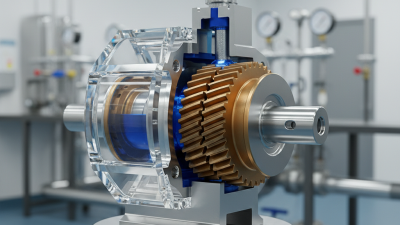
Gear pumps move liquid by trapping small volumes between gear teeth and the pump casing. As the gears rotate, liquid travels around the housing from the inlet to the outlet. At the center, the teeth mesh and push the liquid onward. External gear pumps use two meshing gears; internal gear pumps use a smaller gear inside a larger one, often with a crescent-shaped separator. Simple mechanism. Not a simple selection.
In 2026, compare actual operating conditions, not just rated flow. Flow depends on displacement and speed, but internal leakage can reduce output as pressure rises or parts wear. Viscosity matters: thin liquids may leak more, while cold, thick liquids can increase startup load. Check pressure, temperature, speed range, materials, inlet conditions, and fluid cleanliness. Fine particles can accelerate wear, so filtration and maintenance access deserve attention. Noise and flow pulsation may matter near sensitive equipment. A neat specification sheet can still hide poor fit. Ask for performance data at your expected fluid temperature and pressure, then verify it against the duty cycle. There is no universally best gear pump; the right choice depends on the liquid and the work.
What Are the Best Types of Gear Pumps in 2026?
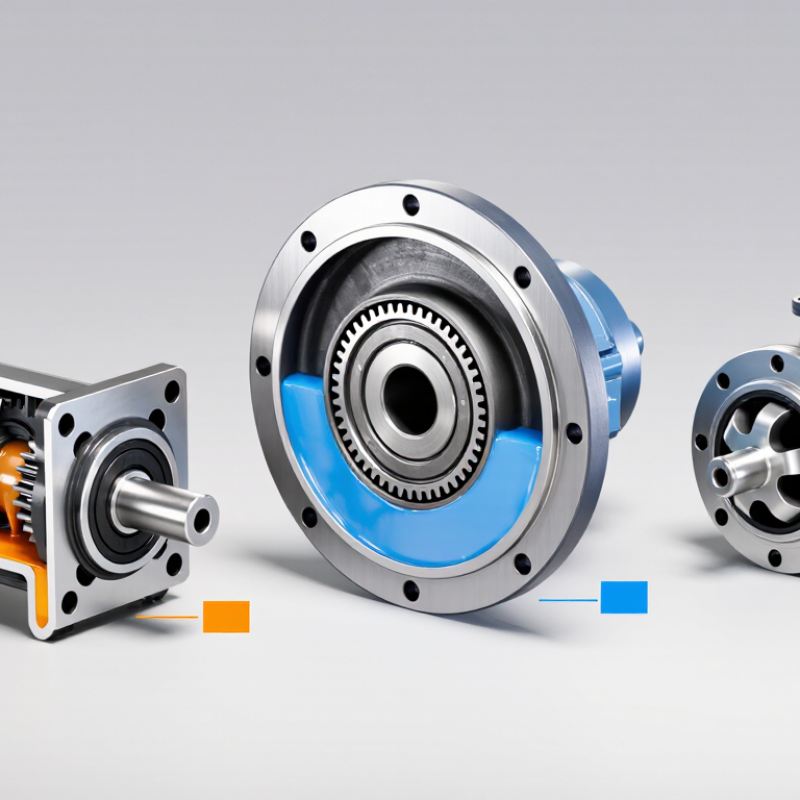
How gear pumps work and which performance factors matter. The chart shows theoretical flow at different speeds for three example displacements—not a guaranteed rating for any pump type.
How to read it: Gear pumps move a set volume per revolution, so theoretical flow rises with speed (flow = displacement × RPM ÷ 1,000). Actual flow is lower and depends on volumetric efficiency, pressure, fluid viscosity, temperature, and wear. External gear pumps are a common, straightforward choice; internal gear pumps are often selected for viscous fluids and quieter operation; gerotor pumps suit compact, lower-to-moderate-pressure applications. Check the specific pump’s pressure, speed, viscosity, and materials ratings before selecting.
External Gear Pumps: Design, Advantages, and Common Applications
External gear pumps use two meshing gears inside a close-fitting housing. One gear drives the other, carrying fluid around the casing from inlet to outlet. Fluid moves between the gear teeth and housing; it does not pass through the meshing point. The design is compact, mechanically straightforward, and usually fixed-displacement. It suits lubrication circuits, hydraulic power units, and controlled transfer of clean, viscous fluids. There is a trade-off: tight clearances support pressure, but wear can increase internal leakage and reduce output.
Performance depends on fluid viscosity, speed, pressure, and inlet conditions. External gear pumps can be noisy, and abrasive particles may accelerate wear. The U.S. Department of Energy’s Improving Pumping System Performance sourcebook reports that pumping systems account for nearly 20% of global electricity demand, and 25–50% of energy use in some industrial facilities. That figure covers pumping systems broadly, not gear pumps alone. Still, it shows why matching pump size and operating point matters. In practice, small selection errors can persist for years.
Tips: Check the fluid’s viscosity across its operating temperature range. Confirm pressure, speed, seal compatibility, and filtration requirements with the pump supplier. A pump that looks adequate on paper may struggle with cold, thick fluid. I would not treat nominal flow as the whole story.
Internal Gear Pumps: Flow Characteristics and Ideal Uses
Internal gear pumps move liquid through a compact, enclosed path. An inner rotor drives an outer idler, while a crescent-shaped divider separates the inlet from the outlet. As the teeth disengage, expanding spaces draw fluid in. The fluid travels around the casing and exits when the teeth mesh again. The result is a steady flow with relatively low pulsation. Useful for many fluids.
Their flow suits viscous materials such as lubricating oil, syrup, and some resins, especially where controlled, continuous delivery matters. At a plant, an operator might notice the pump’s quiet, even discharge while filling a line with warm oil. But smooth flow does not mean every duty is gentle. Abrasive particles can wear close-clearance surfaces, and thin liquids may increase internal leakage. The trade-off is easy to underestimate. Check viscosity across the operating temperature range, suction conditions, speed, and seal compatibility before selecting a pump. No pump fits every process.
Gerotor and Specialized Gear Pumps: Designs and Applications
Gerotor pumps use an inner rotor surrounded by an outer rotor with one additional tooth. As the rotors turn, expanding and shrinking chambers draw in and move fluid. The compact layout suits engine lubrication, small hydraulic circuits, and other applications with limited installation space. Flow is generally smooth, which helps reduce vibration. Not silent, though. Clearances, speed, and fluid viscosity still affect noise and output.
Specialized gear pumps adapt this basic principle to demanding fluids or tighter process needs. Helical gears can soften engagement and reduce flow pulsation. Internal gear designs can handle thicker liquids at relatively low speeds, making them useful for oils, resins, and some process fluids. Jacketed housings help maintain temperature when a fluid becomes difficult to pump as it cools. For precise dosing, engineers also consider gear width, operating speed, and leakage across the clearances.
Selection starts with the fluid, not the pump label. Check viscosity across the full temperature range, required flow, pressure, and likely contamination. Small particles can score working surfaces. That detail is easy to overlook. A gerotor may fit a compact lubrication circuit, while a specialized internal gear pump may better suit a viscous transfer task. Neither is automatically best; actual operating conditions decide.
How to Choose the Best Gear Pump Type for Your System
What Are the Best Types of Gear Pumps in 2026?
How to Choose the Best Gear Pump Type for Your System
The right gear pump depends on fluid, pressure, flow, and operating conditions—not on a “best” label alone. External gear pumps suit compact systems moving clean, lubricating fluids at steady flow. Internal gear pumps often handle viscous liquids smoothly, with less pulsation. Gerotor designs fit compact, lower-pressure duties such as lubrication circuits. Each type has limits.
Start with the fluid. Record its viscosity at operating temperature, not just at room temperature. Check whether it contains particles, and confirm the pump materials tolerate its chemistry. Then match required flow and pressure to the pump’s rated range. Allow for speed changes and inlet conditions; poor suction can cause noise, wear, or flow loss. Small details matter.
Energy deserves attention, too. The U.S. Department of Energy’s Improving Pumping System Performance sourcebook reports that pumps account for nearly 20% of global electricity demand. That figure covers pumps broadly, not gear pumps specifically. Still, it makes operating efficiency worth checking. Compare expected duty with motor power and control needs. A pump that looks suitable on paper may run poorly in a real system. Verify the selection against the manufacturer’s performance curve and your actual fluid data before specifying it.